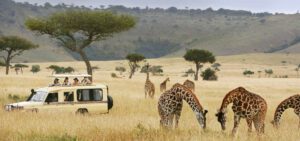
Kenya is one of the world’s most iconic safari destinations, home to vast savannas, dramatic landscapes, and the spectacular Great Migration. From the rolling plains of the Maasai Mara to the towering Mount Kilimanjaro views in Amboseli, Kenya offers wildlife encounters that are both thrilling and unforgettable. Whether you’re seeking big cats, elephants, or rare bird species, this guide will help you plan the perfect Kenyan safari adventure.
Thank you for reading this post, don't forget to subscribe!Top Safari Destinations in Kenya
1. Maasai Mara National Reserve
- Highlights: The Maasai Mara is renowned for the Great Migration, where millions of wildebeest and zebras traverse the plains in search of fresh grazing.
- Wildlife: Lions, cheetahs, elephants, giraffes, and hippos.
- Tips: Visit between July and October for the best chance to witness the migration. Sunrise safaris are ideal for photography and spotting predators in action.
2.
Amboseli National Park
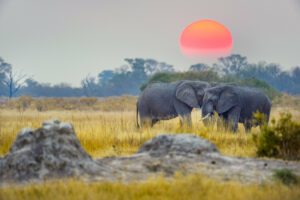
- Highlights: Famous for its stunning views of Mount Kilimanjaro and large elephant herds.
- Wildlife: Elephants, lions, zebras, giraffes, and a variety of bird species.

Elephants walking in the plains of Africa - Tips: Early morning or late afternoon safaris provide the best light for photography.
3. Tsavo National Park
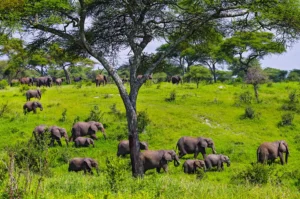
- Highlights: One of the largest national parks in the world, offering vast wilderness and diverse wildlife.
- Wildlife: Lions, elephants, rhinos, and hippos.
- Tips: Tsavo East and Tsavo West each have unique landscapes—plan at least 2 days to explore both.
Kenya Safari Experiences
- Guided Game Drives: Learn from experienced rangers while spotting elusive wildlife.
- Hot Air Balloon Safaris: Float over the Maasai Mara at sunrise for a once-in-a-lifetime perspective.
- Cultural Visits: Meet Maasai communities and learn about traditional lifestyles.
- Photography Tours: Specialized safaris focusing on capturing wildlife and landscapes in their best light.
Practical Travel Tips
- Best Time to Visit: June to October (dry season for wildlife viewing), December to March (excellentweather).
- Visa Requirements: Most travelers need an eVisa; check the official Kenyan immigration site.
- Health & Safety: Malaria precautions, routine vaccines, and insect repellent are essential.
- Travel Essentials: Comfortable walking shoes, neutral-colored clothing, and sunscreen.
Essential Safari Gear & Equipment
Heading out on a Kenyan safari is exciting—but preparation makes all the difference. Here’s a checklist:

- Binoculars & Spotting Scopes – For clear views of wildlife from a distance.
- Camera & Lenses – Telephoto lenses recommended for safe and stunning wildlife photography.
- Safari Clothing – Lightweight, breathable fabrics in neutral tones; hats and sturdy shoes are essential.
- Travel Gear – Daypacks, reusable water bottles, insect repellent, and sunscreen.
- Health & Safety Essentials – First aid kit, malaria medication, hand sanitizer.
- Optional Extras – Field guides, portable chargers, and journals for documenting your journey.
Tip: Amazon has excellent safari gear, from binoculars to travel backpacks, making it easy to prepare before your trip.
Conclusion & Call-to-Action
Kenya’s breathtaking landscapes and incredible wildlife make it a must-visit safari destination. Whether you’re chasing the Great Migration in the Maasai Mara, photographing elephants in Amboseli, or exploring the wilds of Tsavo, every safari experience is unforgettable.
Ready to plan your Kenyan safari? Check out our recommended gear and travel resources to make the most of your adventure.
-
Disclosure
As an Amazon Associate, I earn from qualifying purchases. This website also contains other affiliate links, and we may earn a small commission if you make a purchase through them — at no extra cost to you. We only recommend products and services we trust and believe will enhance your outdoor adventures. Thank you for supporting our work!
 Africa Safari Adventure Gear 50 Best Drone Gear & Accessories
Drone Use: Know Before You Fly
Drone regulations vary widely depending on the location. Some parks, natural areas, and landmarks prohibit drones to protect wildlife, visitors, and sensitive environments, while others may allow them with certain restrictions or permits. Always check local, state, and federal rules before flying, respect no-fly zones, and prioritize safety, privacy, and environmental care during your adventure.
 Visit the Ultimate Outdoor Adventure Mega Hub
 Disclosure
Leave a Reply