
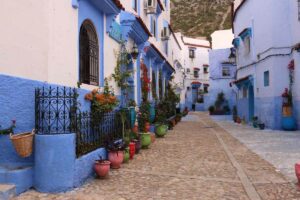
Nestled in the Rif Mountains of northern Morocco, Chefchaouen is famously known as the “Blue City” for its strikingly blue-painted streets, doors, and buildings. This charming town offers a peaceful escape from the hustle and bustle of larger Moroccan cities, combining vibrant colors, rich culture, and stunning mountain scenery. Chefchaouen is perfect for travelers seeking photography, local crafts, and a slower-paced exploration of Morocco.
Thank you for reading this post, don't forget to subscribe!History and Significance
Founded in 1471 as a small fortress town, Chefchaouen became a refuge for Jews and Muslims fleeing the Reconquista in Spain. Over the centuries, it developed a unique culture blending Andalusian influences with traditional Moroccan life. The iconic blue walls are believed to symbolize the sky and heaven, representing peace and spirituality. Today, Chefchaouen attracts travelers from around the world drawn to its serene atmosphere and picturesque streets.
Must-See Sights in Chefchaouen
- Medina of Chefchaouen – Wander through narrow alleys lined with blue-washed buildings, charming shops, and cafes. Perfect for photography and leisurely strolls.
- Ras El Maa Waterfall – A short walk from the medina, this peaceful waterfall is a popular spot for locals and visitors to relax.
- Kasbah Museum – Located in the heart of the medina, this historic fortress offers insight into the town’s history and beautiful gardens.
- Spanish Mosque – A hillside mosque with panoramic views of the town and surrounding mountains, especially stunning at sunset.
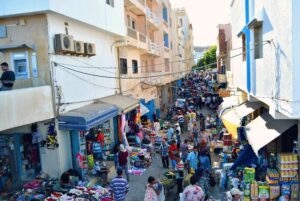
- Local Markets – Discover handcrafted textiles, woven blankets, leather goods, and pottery made by local artisans.
Tips for Exploring Chefchaouen
- Take your time: Chefchaouen is meant to be explored slowly; get lost in the winding streets.
- Respect local customs: Dress modestly, especially in traditional areas.
- Try local cuisine: Sample tagine, couscous, and refreshing mint tea at a medina café.
- Bring cash: Small shops and markets often don’t accept cards.
- Go early or late: Avoid midday crowds and capture the best light for photos.
What to Bring
- Comfortable walking shoes 👟
- Camera or smartphone for photography 📸
- Light backpack 👜
- Water bottle 💧
- Sun protection: hat & sunscreen 🌞
- Modest clothing 👕
- Portable phone charger 🔋
Best Time to Visit
The ideal time to visit Chefchaouen is spring (March–May) and fall (September–November) when temperatures are mild and the skies are clear. Summers can be warm, and winters may bring cooler mountain air.
Where to Stay
- Dar Echchaouen: Traditional riad with rooftop terrace views.
- Casa Perleta: Cozy guesthouse in the medina with authentic Moroccan decor.
- Lina Ryad & Spa: Luxury option with spa services and panoramic views of the town.

Closing Thoughts
Chefchaouen is a photographer’s paradise and a cultural gem of Morocco. Its tranquil streets, blue hues, and mountain backdrop create a magical setting that feels worlds away from city life. Whether you’re exploring historic alleys, visiting local markets, or soaking in panoramic views, Chefchaouen offers a peaceful, unforgettable Moroccan experience.
 Disclosure
As an Amazon Associate, I earn from qualifying purchases. This website also contains other affiliate links, and we may earn a small commission if you make a purchase through them — at no extra cost to you. We only recommend products and services we trust and believe will enhance your outdoor adventures. Thank you for supporting our work!  Africa Safari Adventure Gear 50 Best Drone Gear & Accessories
Drone Use: Know Before You Fly
Drone regulations vary widely depending on the location. Some parks, natural areas, and landmarks prohibit drones to protect wildlife, visitors, and sensitive environments, while others may allow them with certain restrictions or permits. Always check local, state, and federal rules before flying, respect no-fly zones, and prioritize safety, privacy, and environmental care during your adventure.  Visit the Ultimate Outdoor Adventure Mega Hub
Leave a Reply