
Located in the town of El Djem, Tunisia, the El Djem Amphitheatre is one of the largest and best-preserved Roman coliseums in the world. This UNESCO World Heritage site offers travelers a fascinating glimpse into the grandeur of Roman architecture, engineering, and entertainment. Visiting El Djem is like stepping back in time to witness the awe-inspiring scale of ancient spectacles.
Thank you for reading this post, don't forget to subscribe!History and Significance
Built in the early 3rd century AD, the amphitheatre could accommodate up to 35,000 spectators, making it one of the largest in the Roman Empire. It was primarily used for gladiatorial games and other public events. El Djem’s preservation is remarkable; despite centuries of history, much of the structure remains intact, allowing visitors to imagine the excitement and drama that once filled its arenas.
Must-See Features
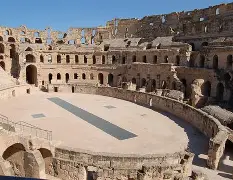
- The Arena Floor – Stand where gladiators once fought, imagining the tension of the games.
- Underground Passages – Explore tunnels and chambers where animals and performers were held before entering the arena.
- Seating Tiers – Observe the impressive tiered stone seating that accommodated tens of thousands of spectators.
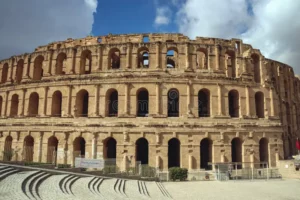
- Outer Walls – Marvel at the massive Roman engineering and the amphitheatre’s circular symmetry.
- Nearby Roman Ruins – El Djem is surrounded by additional remnants of the ancient city, including mosaics and residential areas.
Tips for Visiting El Djem Amphitheatre
- Hire a guide: To fully understand the history and architectural details.
- Wear comfortable shoes: The amphitheatre and surrounding ruins involve a lot of walking.
- Bring water & sunscreen: Tunisia can be hot, especially in summer months.
- Photography: Sunrise or late afternoon light offers the best photos.
- Plan at least 1–2 hours: To explore both the amphitheatre and nearby ruins.

What to Bring
- Comfortable walking shoes 👟
- Sunscreen & hat 🌞
- Water bottle 💧
- Camera or smartphone 📸
- Light backpack 👜
- Modest clothing 👕
- Portable phone charger 🔋
Best Time to Visit
The best time to visit El Djem is spring (March–May) or fall (September–November) when temperatures are mild. Summers can be very hot, and winters cooler but less crowded.
Where to Stay
- Hotel La Kasbah: Comfortable accommodations close to the amphitheatre.
- Dar El Kasbah: Traditional guesthouse with local charm.
- Royal El Mansour: Luxury option with modern amenities and easy access to the site.
Closing Thoughts
El Djem Amphitheatre is a spectacular window into Tunisia’s Roman past. Its grand scale, architectural ingenuity, and preservation make it an unforgettable destination for history enthusiasts, travelers, and photographers. Standing within its ancient walls, visitors can feel the echoes of gladiatorial games and the grandeur of Roman civilization.
 Disclosure
As an Amazon Associate, I earn from qualifying purchases. This website also contains other affiliate links, and we may earn a small commission if you make a purchase through them — at no extra cost to you. We only recommend products and services we trust and believe will enhance your outdoor adventures. Thank you for supporting our work!  Africa Safari Adventure Gear 50 Best Drone Gear & Accessories
Drone Use: Know Before You Fly
Drone regulations vary widely depending on the location. Some parks, natural areas, and landmarks prohibit drones to protect wildlife, visitors, and sensitive environments, while others may allow them with certain restrictions or permits. Always check local, state, and federal rules before flying, respect no-fly zones, and prioritize safety, privacy, and environmental care during your adventure.  Visit the Ultimate Outdoor Adventure Mega Hub
Leave a Reply