
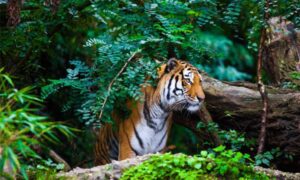
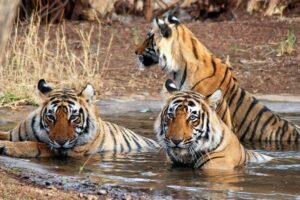
Located in the heart of Rajasthan, Ranthambore National Park is one of India’s most famous wildlife sanctuaries and a bucket-list destination for safari enthusiasts. Known primarily for its population of majestic Bengal tigers, the park also hosts leopards, sloth bears, marsh crocodiles, and a variety of bird species. Visitors can explore sprawling forests, ancient ruins, and scenic lakes while experiencing thrilling jeep safaris. Whether you’re a wildlife photographer, nature lover, or family seeking adventure, Ranthambore offers a perfect blend of excitement, beauty, and culture.
Thank you for reading this post, don't forget to subscribe!🌿

Key Safari Zones & Wildlife Highlights
Ranthambore is divided into several zones, each offering unique wildlife experiences:
Zone 1 & 2
- Dense forests and water bodies.
- Frequent tiger sightings and opportunities to spot leopards and hyenas.
Zone 3 & 4
- Open grasslands ideal for bird watching.
- Great for spotting marsh crocodiles near lakes.
Zone 5 & 6
- Features Ranthambore Fort and ancient ruins.
- Excellent for photography with scenic landscapes in the backdrop.
Zone 7 & 8
- Less crowded areas for more immersive wildlife experiences.
- Popular with morning safari enthusiasts looking for peaceful trails.
🦒
Best Times for a Safari
- October to June – dry season; animals gather near waterholes, making sightings easier.
- July to September – monsoon season; park is closed to tourists.
🚙 Safari Experiences
- Jeep Safaris – The most popular way to explore the park, guided by trained naturalists.
- Canter Safaris – Shared open-top buses, great for spotting tigers and other wildlife.
- Bird Watching – Spot peafowls, kingfishers, and migratory birds across lakes and forests.
- Photography Tours – Capture tigers, leopards, and crocodiles in their natural habitat.
🏨 Nearby Accommodations
- Luxury jungle lodges with guided safaris.
- Eco-friendly camps near park entrances.
- Boutique hotels in Sawai Madhopur town, just outside the park.
🧳
Suggested Gear & Items to Bring
- Neutral-colored clothing to blend into the forest.
- Comfortable walking shoes or boots.
- Wide-brimmed hat, sunglasses, and sunscreen.
- Binoculars for wildlife spotting.
- Camera with a zoom lens for tiger photography.
- Light rain jacket if visiting during early monsoon months.
- Refillable water bottles and snacks for long safari rides.
- Insect repellent and a small first aid kit.
- Travel documents, park permits, and identification.
-
 Disclosure
As an Amazon Associate, I earn from qualifying purchases. This website also contains other affiliate links, and we may earn a small commission if you make a purchase through them — at no extra cost to you. We only recommend products and services we trust and believe will enhance your outdoor adventures. Thank you for supporting our work!
 50 Must Have Water Adventure Items 50 Best Drone Gear & Accessories
Drone Use: Know Before You Fly
Drone regulations vary widely depending on the location. Some parks, natural areas, and landmarks prohibit drones to protect wildlife, visitors, and sensitive environments, while others may allow them with certain restrictions or permits. Always check local, state, and federal rules before flying, respect no-fly zones, and prioritize safety, privacy, and environmental care during your adventure.
 Visit the Ultimate Outdoor Adventure Mega Hub
Leave a Reply