
Patagonia, spanning the southern regions of Argentina and Chile, is a land of dramatic landscapes, towering glaciers, rugged mountains, and windswept plains. Unlike tropical safaris, Patagonia offers a wildlife adventure amid icy glaciers, turquoise lakes, and vast steppe, making it one of South America’s most breathtaking destinations. From observing guanacos grazing in the open plains to spotting Andean condors soaring above the peaks, a Patagonian safari combines adventure, stunning scenery, and unforgettable wildlife encounters.
Thank you for reading this post, don't forget to subscribe!Why Patagonia is Unique
Patagonia’s beauty lies in its diverse and extreme landscapes: snow-capped mountains, glacial valleys, and open grasslands create a striking contrast. The region’s remoteness preserves its natural ecosystems, allowing travelers to witness wildlife in a relatively untouched environment. Highlights include:
- Wildlife: Guanacos, Patagonian foxes, Andean condors, and occasionally pumas.
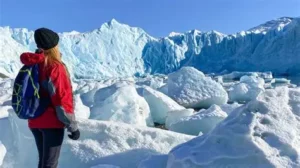
- Glaciers: Explore the massive Perito Moreno Glacier or the Northern and Southern Patagonian Ice Fields.
- National Parks: Torres del Paine (Chile) and Los Glaciares (Argentina) offer iconic trekking and safari routes.
- Scenic Beauty: Turquoise lakes, rugged mountains, and dramatic skies make Patagonia a photographer’s dream.
Best Activities in Patagonia
- Trekking & Hiking: Trails range from day hikes to multi-day treks through Torres del Paine and Fitz Roy regions.
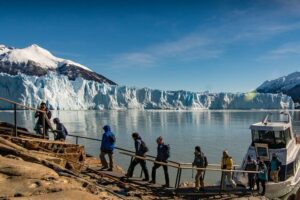
- Glacier Tours: Boat tours or guided hikes on glaciers like Perito Moreno provide a once-in-a-lifetime experience.
- Wildlife Safaris: Explore steppe and forested areas to spot guanacos, foxes, condors, and occasionally pumas.
- Kayaking & Canoeing: Paddle in glacial lakes and rivers surrounded by stunning mountain scenery.
- Photography Excursions: Sunrise and sunset over glaciers, mountains, and lakes create dramatic images.
Best Time to Visit
- Summer (November–March): Longer daylight hours, milder temperatures, and ideal trekking conditions.
- Shoulder Seasons (October & April): Fewer tourists, still suitable weather for wildlife spotting and trekking.
Where to Stay
- Eco-Lodges: Comfortable lodges inside or near national parks offer guided tours and full-service accommodations.
- Refugios & Mountain Huts: For trekkers, these provide basic but scenic overnight stays along popular trails.
- Hotels & Guesthouses: Available in larger towns like El Calafate (Argentina) or Puerto Natales (Chile).
Safari Essentials – What to Bring
Clothing & Gear:
- Warm layers for variable weather

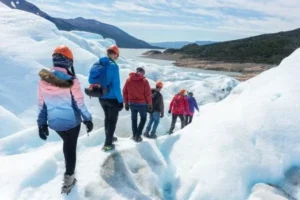
Travelers trek through snow-covered terrain toward the rugged, bare landscapes of Patagonia. - Waterproof jacket and pants for wind and rain
- Hiking boots with ankle support
- Gloves, hat, and scarf for cold winds
- Sunglasses and sunscreen for glacier reflection
Wildlife & Adventure Equipment:
- Binoculars for spotting distant wildlife and condors
- Camera with telephoto lens
- Hiking poles for rough terrain
- Backpack with water and snacks
Health & Safety:
- Personal first-aid kit
- Prescription medications
- Travel insurance covering trekking and adventure activities
- Water purification tablets for remote areas
Suggested Photos / Alt Text
- Perito Moreno Glacier – Alt: “View of the massive Perito Moreno Glacier in Patagonia, Argentina.”
- Guanacos in open steppe – Alt: “Guanacos grazing in the Patagonian steppe, Argentina.”
- Andean condor flying over mountains – Alt: “Andean condor soaring above Torres del Paine, Chile.”
- Turquoise lake with mountains – Alt: “Turquoise glacial lake surrounded by Patagonian mountains.”
Closing Paragraph
A safari in Patagonia offers a different kind of adventure, where the grandeur of glaciers, mountains, and windswept plains creates a dramatic backdrop for wildlife encounters. From guanacos and foxes to soaring condors, each day is filled with breathtaking views and unforgettable experiences. By preparing for the region’s variable climate and bringing essential gear, travelers can safely explore Patagonia’s wild landscapes and create memories that will last a lifetime.
 Disclosure
As an Amazon Associate, I earn from qualifying purchases. This website also contains other affiliate links, and we may earn a small commission if you make a purchase through them — at no extra cost to you. We only recommend products and services we trust and believe will enhance your outdoor adventures. Thank you for supporting our work!  50 Must Have Water Adventure Items
50 Best Drone Gear & Accessories
Drone Use: Know Before You Fly
Drone regulations vary widely depending on the location. Some parks, natural areas, and landmarks prohibit drones to protect wildlife, visitors, and sensitive environments, while others may allow them with certain restrictions or permits. Always check local, state, and federal rules before flying, respect no-fly zones, and prioritize safety, privacy, and environmental care during your adventure.  Visit the Ultimate Outdoor Adventure Mega Hub
Leave a Reply