
Nestled deep within the lush rainforest of northern Guatemala, Tikal is one of the most remarkable ancient Maya cities ever discovered. This sprawling archaeological site combines awe-inspiring architecture, rich history, and abundant wildlife, offering travelers an unforgettable adventure. From towering temples that rise above the jungle canopy to intricate stone carvings that tell the stories of a sophisticated civilization, Tikal is a must-visit for history enthusiasts, adventurers, and nature lovers alike.
Thank you for reading this post, don't forget to subscribe!History of Tikal
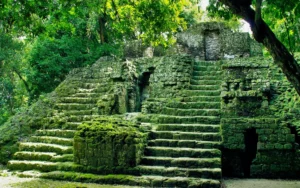
Tikal was a major city during the Classic Period of the Maya civilization (approximately 200–900 AD) and served as a cultural, political, and religious center. Archaeologists have uncovered massive temples, palaces, and ceremonial plazas, along with thousands of carved stelae that provide insight into the rulers, rituals, and mythology of the ancient Maya. Tikal’s strategic location in the rainforest allowed it to control trade routes and maintain a thriving city, though it was eventually abandoned around the 10th century for reasons still debated by scholars.
Key Highlights of Tikal
Temple I (Temple of the Great Jaguar)
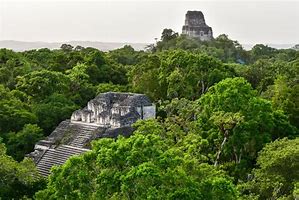
Temple I is one of Tikal’s most iconic structures, standing over 140 feet tall. Built as a tomb for Jasaw Chan K’awiil I, it features a steep staircase leading to the summit, where panoramic views of the jungle await. The temple’s impressive façade and sacred significance make it a central attraction of the site.
Temple IV
Temple IV is the tallest structure in Tikal, towering 230 feet above the forest floor. Climbing to its top provides an unparalleled view of the surrounding jungle and a sense of the scale and grandeur of the ancient city.
The Great Plaza and Causeways
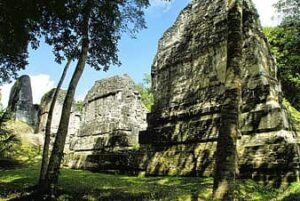
The Great Plaza serves as the heart of Tikal, surrounded by temples, palaces, and smaller structures. The causeways connecting different sections of the city illustrate the advanced urban planning of the Maya civilization.
Wildlife Encounters
Tikal is home to a rich variety of wildlife, including howler monkeys, toucans, coatis, and iguanas. As you explore, the sounds and sights of the jungle enhance the sense of adventure and discovery.
Planning Your Visit
Best Time to Go
- Early Morning: Cooler temperatures and quieter trails.
- Dry Season (November–April): Easier access to ruins and better hiking conditions.
What to Wear
- Lightweight, breathable clothing that covers arms and legs to protect against insects.
- Comfortable, sturdy walking shoes or hiking boots suitable for uneven terrain.
- Hat and sunscreen for sun protection.
Gear Essentials
- Hydration: Reusable water bottles to stay hydrated.
- Bug Protection: Mosquito repellent is a must in the jungle.
- Camera & Binoculars: For capturing panoramic views and spotting wildlife.
- Daypack: Carry snacks, a guidebook, and personal items comfortably.
Guided Tours
Hiring a local guide can significantly enrich your experience. Guides provide historical context, point out hidden details, and enhance your understanding of Maya culture.
Tips for an Unforgettable Experience
- Climb the temples carefully – the steps are steep, and caution is required.
- Take your time – wander the jungle trails, listen to the sounds of wildlife, and soak in the atmosphere.
- Photography – early morning light is ideal for capturing the temples and jungle scenery.
- Respect the site – Tikal is an important cultural and historical landmark; follow all posted guidelines.
Conclusion
Exploring Tikal, Guatemala is more than just sightseeing—it’s stepping into a world where history, nature, and adventure converge. From towering temples and sprawling plazas to the vibrant jungle life that surrounds them, Tikal provides a profound glimpse into the achievements of the ancient Maya civilization. With the right preparation, gear, and mindset, visiting Tikal is an experience that will stay with you forever—a true journey into the heart of Central America’s past.
 Disclosure
As an Amazon Associate, I earn from qualifying purchases. This website also contains other affiliate links, and we may earn a small commission if you make a purchase through them — at no extra cost to you. We only recommend products and services we trust and believe will enhance your outdoor adventures. Thank you for supporting our work!

50 Must-Have Water Adventure Items
Discover the best drones and essential accessories to capture breathtaking landscapes, wildlife, and adventures across South America perfect for beginners and pros alike!
Drone Use: Know Before You Fly
Drone regulations vary widely depending on the location. Some parks, natural areas, and landmarks prohibit drones to protect wildlife, visitors, and sensitive environments, while others may allow them with certain restrictions or permits. Always check local, state, and federal rules before flying, respect no-fly zones, and prioritize safety, privacy, and environmental care during your adventure.
Leave a Reply