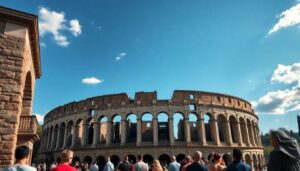
The Colosseum, also known as the Flavian Amphitheatre, is one of the most iconic landmarks in Rome and a true symbol of ancient engineering brilliance. Built nearly 2,000 years ago, this monumental amphitheater once hosted gladiatorial contests, wild animal hunts, and public spectacles that drew crowds of tens of thousands. Today, it stands as a testament to the grandeur of the Roman Empire and a must-visit destination for travelers exploring the Eternal City.
Thank you for reading this post, don't forget to subscribe!A Glimpse into History
Construction of the Colosseum began in 72 AD under Emperor Vespasian and was completed in 80 AD during the reign of his son, Titus. It was built primarily of concrete and stone, showcasing Rome’s advanced engineering skills. Capable of holding between 50,000 and 80,000 spectators, the amphitheater was designed to impress—both as a public entertainment venue and as a symbol of imperial power.
Gladiators, often slaves or prisoners of war, would battle fiercely in the arena. The Colosseum also hosted staged animal hunts with exotic beasts like lions, elephants, and tigers, brought from across the empire. These spectacles were not only entertainment but also a display of Rome’s reach and wealth.

Architecture and Engineering Marvels
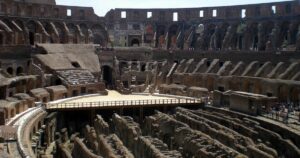
The Colosseum’s architecture is nothing short of extraordinary. Its elliptical shape allowed unobstructed views from every seat, while the complex system of vaults and arches distributed weight efficiently, enabling the massive structure to endure for centuries. The arena’s wooden floor was covered with sand, beneath which a network of underground tunnels and cages—the hypogeum—housed animals and gladiators before they emerged into the spotlight.
The amphitheater also featured a retractable awning system called the velarium, designed to protect spectators from the scorching Roman sun. Such innovations demonstrate the sophistication of Roman engineering and the attention to detail in creating a functional yet awe-inspiring public space.
Visiting the Colosseum Today
Visiting the Colosseum is like stepping back in time. Tourists can explore the arena floor, the hypogeum, and the upper tiers for panoramic views of Rome. Informational plaques and guided tours provide fascinating insights into the gladiatorial games, Roman society, and the amphitheater’s history.
For a deeper experience, consider visiting in the early morning or late afternoon to avoid crowds and capture stunning photographs of the Colosseum bathed in natural light. Nearby attractions include the Roman Forum and Palatine Hill, which together provide a complete glimpse into ancient Roman life.

Tips for Travelers
- Buy Tickets in Advance: Skip-the-line tickets or guided tours help avoid long queues, especially during peak tourist season.
- Bring Comfortable Shoes: Exploring the Colosseum and surrounding ruins involves a lot of walking on uneven surfaces.
- Photography: Sunrise or sunset offers the most dramatic lighting for capturing the Colosseum’s grandeur.
- Combine with Nearby Attractions: Pair your visit with the Roman Forum, Palatine Hill, and Capitoline Hill for a full day of history.
Why the Colosseum is a Must-See
The Colosseum is more than just a historic monument—it’s a portal into the world of ancient Rome. Its grand architecture, epic history, and tales of gladiators make it an unforgettable destination for travelers, historians, and adventure seekers alike. Walking through its arches and standing in the arena where history unfolded is an experience that leaves a lasting impression, connecting visitors to a civilization that shaped the modern world.
Conclusion:
A visit to the Colosseum is an essential part of any Roman adventure. Whether you’re drawn by the thrill of ancient gladiatorial contests, the ingenuity of Roman engineering, or simply the awe-inspiring scale of this ancient arena, the Colosseum promises an unforgettable journey into history.
Disclosure
As an Amazon Associate, I earn from qualifying purchases. This website also contains other affiliate links, and we may earn a small commission if you make a purchase through them — at no extra cost to you. We only recommend products and services we trust and believe will enhance your outdoor adventures. Thank you for supporting our work!

50 Must-Have Water Adventure Items
Discover the best drones and essential accessories to capture breathtaking landscapes, wildlife, and adventures across South America perfect for beginners and pros alike!
Drone Use: Know Before You Fly
Drone regulations vary widely depending on the location. Some parks, natural areas, and landmarks prohibit drones to protect wildlife, visitors, and sensitive environments, while others may allow them with certain restrictions or permits. Always check local, state, and federal rules before flying, respect no-fly zones, and prioritize safety, privacy, and environmental care during your adventure.
Leave a Reply