Viking Longhouses: Homes of the Norse
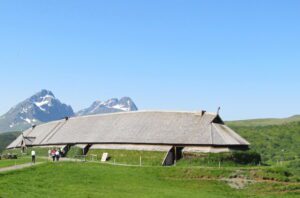
Viking longhouses were the central living structures of the Norse people, serving as both homes and community centers throughout Scandinavia during the Viking Age (c. 800–1050 AD). These long, narrow buildings reveal much about Viking daily life, social organization, and architectural ingenuity.
Thank you for reading this post, don't forget to subscribe!Architecture and Design
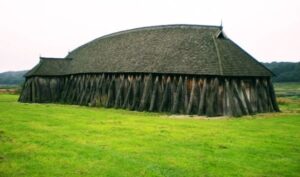
Viking longhouses were typically rectangular with a wooden frame, walls of wattle and daub or planks, and thatched or turf roofs. The interiors were divided into communal spaces, including living areas, cooking spaces, and sleeping quarters. Some longhouses could reach up to 30 meters (100 feet) in length, accommodating extended families and livestock under one roof.
Key features included:
- Central Hearth: A fire pit in the middle of the hall provided warmth and a place for cooking.
- Raised Sleeping Platforms: Often along the walls, these kept family members off the cold ground.
- Storage Areas: Space for tools, food, and animal fodder.
- Construction Materials: Locally sourced timber, turf, and stone made the structures durable and suited to the harsh Scandinavian climate.
Social and Cultural Significance
Longhouses were more than just homes—they were centers of social life and work. They hosted feasts, meetings, and storytelling, reflecting the strong communal ties of Viking society. The size and decoration of a longhouse often reflected the wealth and status of its owner, with more elaborate structures belonging to chieftains or wealthy farmers.
Archaeological Discoveries
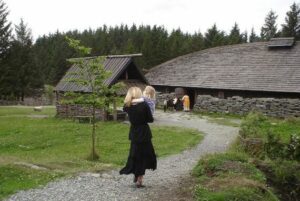
Excavations across Norway, Sweden, Denmark, and Iceland have uncovered foundations, postholes, and artifacts that illustrate the construction and use of longhouses. Reconstructions at museums and historical sites, such as the Lofotr Viking Museum in Norway, allow visitors to step inside and experience Viking life firsthand.
Visiting Viking Longhouses Today
- Reconstructed Sites: Many Viking museums feature life-size longhouse reconstructions with guided tours.
- Educational Experiences: Visitors can learn about Viking architecture, daily routines, and social organization.
- Cultural Events: Some sites host Viking festivals, workshops, and demonstrations of traditional crafts.
Conclusion
Viking longhouses provide a tangible link to the past, showing how the Norse adapted to their environment while fostering strong family and community bonds. From their practical design to their social importance, longhouses remain a symbol of Viking ingenuity, culture, and everyday life.
Disclosure
As an Amazon Associate, I earn from qualifying purchases. This website also contains other affiliate links, and we may earn a small commission if you make a purchase through them — at no extra cost to you. We only recommend products and services we trust and believe will enhance your outdoor adventures. Thank you for supporting our work!

50 Must-Have Water Adventure Items
Discover the best drones and essential accessories to capture breathtaking landscapes, wildlife, and adventures across South America perfect for beginners and pros alike!
Drone Use: Know Before You Fly
Drone regulations vary widely depending on the location. Some parks, natural areas, and landmarks prohibit drones to protect wildlife, visitors, and sensitive environments, while others may allow them with certain restrictions or permits. Always check local, state, and federal rules before flying, respect no-fly zones, and prioritize safety, privacy, and environmental care during your adventure.
Leave a Reply