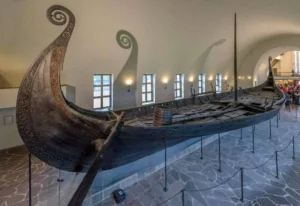
Viking ships were central to Norse society, serving as vessels for trade, exploration, and warfare. The discovery of Viking ship remains across Scandinavia has provided invaluable insight into their craftsmanship, navigation skills, and the social status of the individuals buried within or alongside these ships.
Thank you for reading this post, don't forget to subscribe!Historical Significance
Ship burials were often reserved for chieftains and prominent figures, reflecting their wealth, status, and spiritual beliefs. Vikings believed that a ship could transport the deceased to the afterlife, making ship burials a symbol of prestige and reverence.
Notable Viking Ship Finds
- Oseberg Ship (Norway): A beautifully preserved 9th-century ship buried with two women, adorned with intricate wood carvings.
- Gokstad Ship (Norway): A 9th-century burial ship that highlights advanced Viking shipbuilding techniques.
- Roskilde Ships (Denmark): A collection of 10 Viking ships used in ceremonial burials and as evidence of maritime innovation.
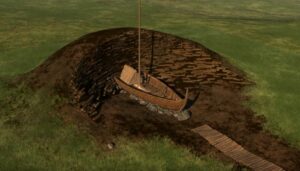
What Ship Remains Tell Us
- Construction Techniques: Examination of planks, joints, and materials shows the Vikings’ advanced woodworking skills.
- Cultural Insights: Grave goods found within ships, including weapons, animals, and personal belongings, reveal the deceased’s social standing.
- Navigation and Trade: The size and design of ships demonstrate the Vikings’ ability to travel long distances for trade, raids, and exploration.
Visiting Viking Ship Sites
- Norway: Viking Ship Museum in Oslo houses the Oseberg, Gokstad, and other ship remains.
- Denmark: Roskilde Viking Ship Museum features reconstructed ships and archaeological findings.
- Interactive Experiences: Many museums offer workshops, reconstructions, and sailing experiences on replica Viking ships.

Conclusion
Viking ship remains are more than archaeological artifacts—they are windows into the lives, beliefs, and ingenuity of the Vikings. They illustrate how these seafaring people mastered shipbuilding, trade, and exploration, leaving a lasting legacy in maritime history.
Disclosure
As an Amazon Associate, I earn from qualifying purchases. This website also contains other affiliate links, and we may earn a small commission if you make a purchase through them — at no extra cost to you. We only recommend products and services we trust and believe will enhance your outdoor adventures. Thank you for supporting our work!

50 Must-Have Water Adventure Items
Discover the best drones and essential accessories to capture breathtaking landscapes, wildlife, and adventures across South America perfect for beginners and pros alike!
Drone Use: Know Before You Fly
Drone regulations vary widely depending on the location. Some parks, natural areas, and landmarks prohibit drones to protect wildlife, visitors, and sensitive environments, while others may allow them with certain restrictions or permits. Always check local, state, and federal rules before flying, respect no-fly zones, and prioritize safety, privacy, and environmental care during your adventure.
Leave a Reply