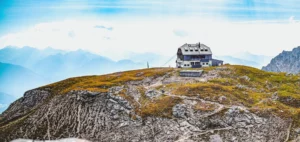
Italy’s mountains aren’t just about breathtaking views and dramatic trails—they’re also home to a unique culture of alpine huts and mountain refuges. Known locally as “rifugi”, these huts are more than just places to sleep; they’re an essential part of the Italian hiking experience. Whether you’re trekking the Dolomites Alta Via routes, exploring the Alps near the Swiss border, or climbing in the Apennines, these refuges provide warmth, comfort, and a strong sense of mountain community.
Thank you for reading this post, don't forget to subscribe!What Are Alpine Huts (Rifugi)?
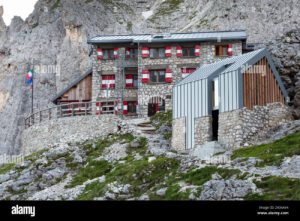
Alpine huts are rustic yet welcoming lodges scattered across Italy’s mountain ranges. Traditionally built for mountaineers and shepherds, today they serve hikers, climbers, and adventurers looking for rest, food, and camaraderie in the mountains.
- Location: Often perched on ridges, nestled in valleys, or at the base of towering peaks.
- Facilities: Ranges from simple dorm-style bunks to modern huts with private rooms.
- Atmosphere: Communal dining, hearty meals, and the chance to meet fellow travelers.
Top Reasons to Stay in a Rifugio
- Unforgettable Views: Wake up to sunrise over jagged peaks and alpine meadows.
- Cultural Experience: Enjoy traditional Italian mountain dishes like polenta, speck, and hearty soups.
- Convenience on Long Trails: Perfect stopping points for multi-day treks such as Alta Via 1 and Alta Via 2.
- Community Spirit: Share stories with hikers from around the world.
Famous Alpine Hut Experiences in Italy
1. Rifugio Lagazuoi (Dolomites)
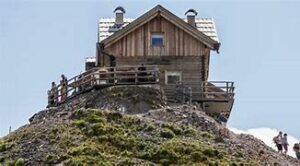
One of the most iconic huts, sitting at 2,752 meters with panoramic terraces and historic WWI tunnels nearby.
2. Rifugio Auronzo (Tre Cime di Lavaredo)
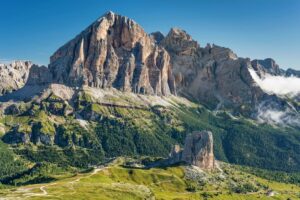
A popular refuge with front-row views of the Dolomites’ most famous peaks.
3. Rifugio Bonatti (Val Ferret, near Mont Blanc)
Beloved by hikers on the Tour du Mont Blanc, offering sweeping views of glaciers and valleys.
4. Rifugio Puez (Dolomites Alta Via 2)
A remote stop along Alta Via 2, surrounded by dramatic cliffs and alpine scenery.
5. Rifugio Vittorio Emanuele II (Gran Paradiso)
Basecamp for climbers aiming for the Gran Paradiso summit, Italy’s highest peak.
Tips for Staying in Alpine Huts
- Book Ahead: Popular huts fill up quickly in summer (June–September).
- Pack Light: Bring a sleeping bag liner, but leave tents and heavy gear at home.
- Cash is King: Many huts don’t accept credit cards.
- Be Social: Shared meals are part of the experience—sit with fellow hikers and enjoy the camaraderie.
- Respect Quiet Hours: Early mornings are common, as many hikers rise with the sun.
Why They’re Perfect for Holiday & Winter Escapes
While most rifugi operate in the summer hiking season, many in ski areas open in winter too. ❄️⛷️ Cozying up in a hut after a day of snowshoeing or skiing is an unforgettable holiday adventure. Warm fires, mountain meals, and starlit skies make alpine huts magical year-round.
Conclusion
Italy’s alpine huts and refuges are more than just accommodations—they’re a gateway into the culture, beauty, and spirit of the mountains. Whether you’re trekking the Alta Via, skiing in the Dolomites, or climbing the Alps, these mountain havens turn every trip into an authentic alpine adventure. 🏔️✨
 Disclosure
As an Amazon Associate, I earn from qualifying purchases. This website also contains other affiliate links, and we may earn a small commission if you make a purchase through them — at no extra cost to you. We only recommend products and services we trust and believe will enhance your outdoor adventures. Thank you for supporting our work! 
 50 Must-Have Water Adventure Items
  Discover the best drones and essential accessories to capture breathtaking landscapes, wildlife, and adventures across South America perfect for beginners and pros alike! 50 Best Drone Gear & Accessories
 Drone Use: Know Before You Fly
Drone regulations vary widely depending on the location. Some parks, natural areas, and landmarks prohibit drones to protect wildlife, visitors, and sensitive environments, while others may allow them with certain restrictions or permits. Always check local, state, and federal rules before flying, respect no-fly zones, and prioritize safety, privacy, and environmental care during your adventure
Leave a Reply