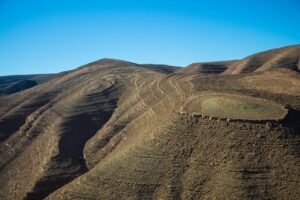
The Atlas Mountains stretch across Morocco, Algeria, and Tunisia, but the Moroccan section is a trekker’s paradise — offering breathtaking scenery, rich culture, and challenging trails. Whether you’re an experienced hiker or a casual adventurer, the Atlas Mountains deliver unforgettable experiences beneath clear blue skies and rugged peaks.
Thank you for reading this post, don't forget to subscribe!Top Trekking Routes in the Atlas Mountains
Toubkal National Park & Mount Toubkal
Home to the highest peak in North Africa — Jebel Toubkal (4,167 m) — this park is the heart of Atlas trekking. The classic Toubkal trek is a tough but rewarding 2–3 day climb with stunning views of valleys, Berber villages, and snow-capped peaks. Many trekkers hire guides for safety and local insight.
Azzaden Valley
For a more moderate and culturally rich trek, explore the Azzaden Valley. Wander through olive groves, apricot orchards, and traditional Berber villages where friendly locals welcome visitors warmly.
Ourika Valley
Close to Marrakech, the Ourika Valley offers accessible day hikes to waterfalls and panoramic viewpoints — perfect for beginners or those short on time.
The M’Goun Massif
Less crowded but equally stunning, the M’Goun Massif region provides multi-day treks through diverse landscapes, including forests, rocky canyons, and remote villages. ?️
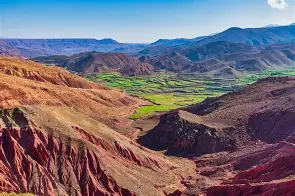
Highlights of Atlas Trekking
- Berber Culture: Experience traditional mountain life, handcrafted goods, and warm hospitality.
- Diverse Landscapes: From rugged cliffs to fertile valleys and serene lakes.
- Flora & Fauna: Spot mountain goats, eagles, and a variety of wildflowers and medicinal plants.
- Historical Sites: Ancient kasbahs and centuries-old trails connect you to Morocco’s rich past.
Where to Stay During Your Trek
Depending on your route and preference, accommodations range from:
✨ Mountain refuges and basic huts
✨ Berber guesthouses offering home-cooked meals
✨ Camping under the stars for a true wilderness experience
Booking guided treks often includes lodging, meals, and porters for your gear.
Trekking Tips for the Atlas Mountains
- Prepare for altitude: Gradual acclimatization helps avoid sickness.
- Pack layers: Mountain weather can shift quickly from warm sun to chilly winds.
- Wear sturdy boots: Trails can be rocky and uneven.
- Hire a local guide: They enrich your experience and improve safety.
- Respect local customs: Dress modestly and ask before photographing people or homes.
 Disclosure
As an Amazon Associate, I earn from qualifying purchases. This website also contains other affiliate links, and we may earn a small commission if you make a purchase through them — at no extra cost to you. We only recommend products and services we trust and believe will enhance your outdoor adventures. Thank you for supporting our work!
 Africa Safari Adventure Gear 50 Best Drone Gear & Accessories
  Drone Use: Know Before You Fly
Drone regulations vary widely depending on the location. Some parks, natural areas, and landmarks prohibit drones to protect wildlife, visitors, and sensitive environments, while others may allow them with certain restrictions or permits. Always check local, state, and federal rules before flying, respect no-fly zones, and prioritize safety, privacy, and environmental care during your adventure.

Best Time to Visit & Photography Tips
The best trekking seasons are spring (March to May) and autumn (September to November) — when the weather is mild, and the landscape bursts with color. Winters bring snow and cold, while summers can be very hot in lower elevations.
For photos:
Early mornings and late afternoons provide the best light and dramatic shadows.
Capture village life, mountain panoramas, and local crafts.
✨ Why Trek the Atlas Mountains?
Trekking the Atlas Mountains combines natural beauty, adventure, and cultural immersion in one unforgettable journey. From scaling North Africa’s highest peaks to wandering ancient Berber trails, it’s a unique experience that stays with you long after you return home.
So lace up your boots, embrace the spirit of the mountains, and discover the magic of Morocco’s Atlas range.
 Explore More Adventure Hubs:
Leave a Reply