 Located at kilometer 82 on the famed Inca Trail, the Inca Trail Base Camp is the starting point for many trekkers embarking on one of the world’s most iconic hikes to Machu Picchu. This base camp serves as a crucial staging area where adventurers prepare themselves physically and mentally for the challenging and awe-inspiring trek ahead.
Location and Setting
Km 82 lies approximately 12 miles (19 kilometers) from Ollantaytambo in the Sacred Valley, situated at an altitude of around 2,650 meters (8,700 feet). The base camp is surrounded by lush cloud forest, rugged mountain terrain, and winding rivers, offering a beautiful natural backdrop before beginning the ascent.
The area is often bustling with trekkers, porters, and guides organizing equipment, permits, and final preparations.

Accommodation
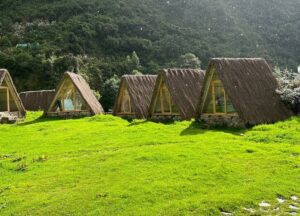
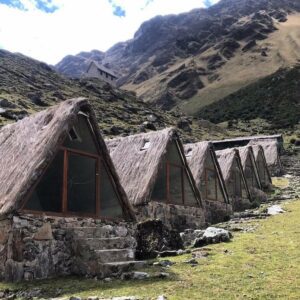
Accommodations near Km 82 vary depending on tour operators, but typically include:
- Basic camping tents with sleeping mats and bags (usually provided by tour companies)
- Simple lodges or hostels in nearby Ollantaytambo for those who prefer to rest before heading to the trail
- Shared facilities including dining tents and communal areas at the base camp
While camping is rustic, it fosters camaraderie and a close connection to the natural environment.

Facilities and Services
- Permits and Checkpoints: The base camp is near the official checkpoint where permits to hike the Inca Trail are verified and registered.
- Equipment Checks: Guides and porters assist trekkers in organizing gear and supplies, ensuring everything is ready for the days ahead.
- Briefings: Many operators provide pre-trek briefings covering safety, trail etiquette, and cultural insights.
- Meals: Food is typically prepared by camp staff, with nutritious meals designed to fuel trekkers through their journey.
The Trek Begins
Starting from Km 82, the Inca Trail trek spans roughly 26 miles (42 kilometers) over 4 days, passing through cloud forests, Inca ruins, and diverse ecosystems before culminating at Machu Picchu.
- Day 1: Trek from Km 82 through forests and ancient Inca sites like Llactapata.
- Day 2: The most challenging day, ascending to Dead Woman’s Pass (4,215 meters) — the highest point on the trail.
- Day 3: Pass through the cloud forest and ruins such as Runkurakay and Sayacmarca.
- Day 4: Early morning arrival at Inti Punku (Sun Gate) with stunning views of Machu Picchu.

What to Bring
Trekkers should prepare for varying weather and terrain with essentials such as:
- Sturdy hiking boots with good ankle support
- Layered clothing including moisture-wicking base layers, fleece, and waterproof jackets
- Sun protection: hat, sunglasses, sunscreen
- Reusable water bottles or hydration systems (with water purification options)
- Lightweight sleeping bag (if not provided)
- Trekking poles for stability on rough terrain
- Personal toiletries and basic first aid kit
- Snacks and energy bars for the trail
Getting There
Most trekkers arrive at Ollantaytambo by train or car from Cusco, then proceed to Km 82 for the trek start. Transport arrangements are often included in guided tours.
Why Choose Inca Trail Base Camp at Km 82?
Starting your Inca Trail adventure from Km 82 means immersing yourself in nature, history, and challenge from the very first step. The base camp’s location offers a perfect launch point to experience the breathtaking journey to Machu Picchu, blending cultural heritage and spectacular landscapes.
Disclosure
As an Amazon Associate, I earn from qualifying purchases. This website also contains other affiliate links, and we may earn a small commission if you make a purchase through them — at no extra cost to you. We only recommend products and services we trust and believe will enhance your outdoor adventures. Thank you for supporting our work! South America Adventures: Top 15 Hiking, Camping & Wildlife Destinations
South America Adventure Gear Guide here
Discover the best drones and essential accessories to capture breathtaking landscapes, wildlife, and adventures across South America perfect for beginners and pros alike!
 Drone Use: Know Before You Fly
Drone regulations vary widely depending on the location. Some parks, natural areas, and landmarks prohibit drones to protect wildlife, visitors, and sensitive environments, while others may allow them with certain restrictions or permits. Always check local, state, and federal rules before flying, respect no-fly zones, and prioritize safety, privacy, and environmental care during your adventure.
Leave a Reply