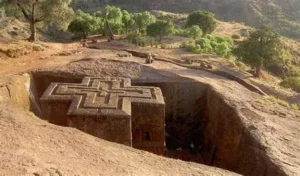
Lalibela is one of Ethiopia’s most iconic destinations, often called the “New Jerusalem” for its extraordinary 12th-century rock-hewn churches. Nestled in the northern highlands, this small town is a spiritual center and a UNESCO World Heritage Site. Pilgrims and travelers alike are drawn here to witness remarkable medieval architecture, vibrant religious traditions, and the serene mountain landscapes that surround the town. Lalibela is both a living religious site and a testament to human ingenuity.
Thank you for reading this post, don't forget to subscribe!⛪ The Rock-Hewn Churches
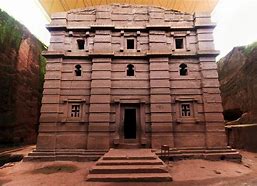
Lalibela is home to eleven monolithic churches, carved directly into volcanic rock and connected by a network of tunnels and passageways. Key highlights include:
- Biete Medhane Alem – The largest rock-hewn church in the world, resembling a massive basilica.
- Biete Maryam – Known for intricate frescoes depicting biblical scenes.
- Biete Giyorgis (St. George’s Church) – The most famous church, carved in the shape of a Greek cross and set deep into the earth.
- Biete Gabriel-Rufael & Biete Amanuel – Each with unique architectural features and spiritual significance.
Visitors can explore these churches with local guides, often witnessing religious ceremonies, chanting priests, and centuries-old traditions.
✨

Spiritual & Cultural Significance
Lalibela remains one of Ethiopia’s most important pilgrimage sites, particularly during Timkat (Epiphany) and Genna (Christmas) celebrations. Thousands of worshippers gather to honor ancient traditions, making these events a colorful and immersive cultural experience. Beyond the festivals, the town embodies Ethiopia’s enduring Orthodox Christian heritage.
🌄 Surrounding Attractions
- Asheton Maryam Monastery – Perched on a hill above Lalibela, offering panoramic views and spiritual tranquility.
- Village Walks – Explore local villages to see traditional homes, community life, and craftwork.
- Weekly Markets – Lively markets where locals sell produce, crafts, and handmade goods.
🍴

Food & Local Experiences
- Enjoy injera with spicy stews, lentils, and vegetables at local restaurants.
- Participate in a traditional Ethiopian coffee ceremony, often hosted in small guesthouses or community spaces.
- Taste tej, the local honey wine, while learning about traditional preparation methods.
🎒 Suggested Items for Lalibela
- Comfortable walking shoes (many paths are uneven)
- Modest clothing (required at religious sites)
- Lightweight jacket or sweater (cool evenings in the highlands)
- Camera (photography may be restricted during services)
- Reusable water bottle
- Small flashlight or headlamp (some tunnels and passageways are dimly lit)
- Notebook or journal for reflections
🌟
Closing
Lalibela is a place where history, faith, and artistry converge. Its rock-hewn churches are not just architectural marvels, but living spaces of devotion that have inspired generations. Whether visiting as a pilgrim or a curious traveler, Lalibela offers an unforgettable glimpse into Ethiopia’s spiritual and cultural heart, leaving a lasting impression long after you leave.
-
 Disclosure
As an Amazon Associate, I earn from qualifying purchases. This website also contains other affiliate links, and we may earn a small commission if you make a purchase through them — at no extra cost to you. We only recommend products and services we trust and believe will enhance your outdoor adventures. Thank you for supporting our work!
 Africa Safari Adventure Gear 50 Best Drone Gear & Accessories
Drone Use: Know Before You Fly
Drone regulations vary widely depending on the location. Some parks, natural areas, and landmarks prohibit drones to protect wildlife, visitors, and sensitive environments, while others may allow them with certain restrictions or permits. Always check local, state, and federal rules before flying, respect no-fly zones, and prioritize safety, privacy, and environmental care during your adventure.
 Visit the Ultimate Outdoor Adventure Mega Hub
Leave a Reply