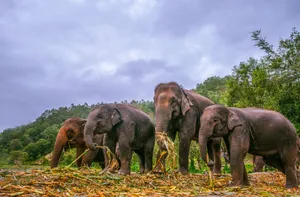
Ethical Elephant Sanctuaries in Thailand: Chiang Mai & Phuket Wildlife Experiences
Thailand is one of Southeast Asia’s most fascinating destinations for wildlife lovers. From the lush mountains surrounding Chiang Mai to the tropical forests and beaches of Phuket, travelers have opportunities to learn about one of Asia’s most remarkable animals—the Asian elephant.
Thank you for reading this post, don't forget to subscribe!For many visitors, seeing elephants up close is a highlight of a Thailand vacation. However, choosing the right experience matters. Responsible elephant sanctuaries prioritize animal welfare, rescue, rehabilitation, and opportunities for elephants to live as naturally as possible.
Whether you’re exploring northern Thailand or planning a tropical getaway near Phuket, this guide highlights elephant sanctuaries, responsible wildlife encounters, and practical tips for an unforgettable adventure.
🐘 Why Ethical Elephant Sanctuaries Matter
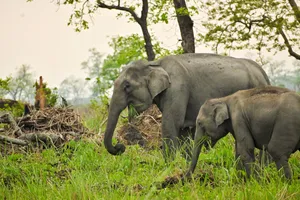
Elephants have played an important role in Thailand’s history and culture for centuries. Unfortunately, some tourism operations still offer elephant riding, performances, and forced interactions that can compromise their welfare.
Responsible sanctuaries take a different approach. Their goal is to provide elephants with appropriate food, veterinary care, space, social opportunities, and freedom from unnecessary tourist pressure.
When choosing a sanctuary, look for experiences that emphasize:
- Observing elephants rather than riding them.
- Allowing elephants to roam, forage, and socialize.
- Avoiding performances, tricks, and forced bathing.
- Providing clear information about animal care and conservation.
- Maintaining safe distances between visitors and elephants.
Remember: A business calling itself an elephant sanctuary does not automatically guarantee ethical practices. Always review its current visitor policies before booking.
🌿 Best Elephant Sanctuaries Near Chiang Mai
Chiang Mai, surrounded by forested mountains and scenic countryside, is one of Thailand’s best-known destinations for elephant conservation experiences.
1. Elephant Nature Park — Rescue & Rehabilitation
Elephant Nature Park is among Thailand’s most recognized elephant rescue and rehabilitation centers.
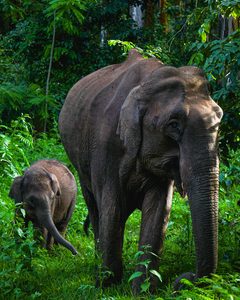
Located in the Chiang Mai region, the park provides care for rescued elephants and other animals. Its educational programs introduce visitors to elephant behavior, conservation challenges, and the importance of responsible tourism.
Experience highlights:
- Observe elephants walking, eating, and socializing.
- Learn about individual rescue stories.
- Discover how caretakers support animal welfare.
- Enjoy the surrounding northern Thailand countryside.
Visitor programs focus on observation rather than riding or bathing elephants. Check the official park website for current experiences, availability, and visitor requirements.
2. Elephant Jungle Sanctuary — Educational Elephant Experiences
Elephant Jungle Sanctuary operates visitor experiences in Thailand, including the Chiang Mai region.
Programs may introduce guests to elephant care, behavior, and the challenges facing captive elephants. However, activities and animal-welfare practices can vary between locations and programs.
Before reserving, review the specific itinerary and prioritize options that avoid riding, performances, forced bathing, or unnecessary handling.
Travel tip: Choose experiences that give elephants control over their movements and allow visitors to learn through respectful observation.
🌴 Elephant Sanctuaries Near Phuket
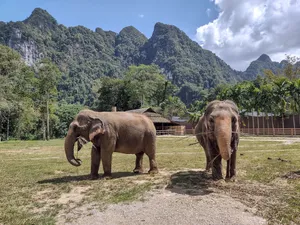
Phuket is famous for tropical beaches, island excursions, and luxury resorts, but travelers can also explore wildlife-focused experiences away from the busiest coastal areas.
3. Phuket Elephant Sanctuary — Observation-Based Wildlife Encounters
Phuket Elephant Sanctuary provides a home for elephants retired from demanding work and tourism activities.
Visitors can learn about elephant welfare while watching the animals move through a forested environment.
Experience highlights:
- Observe elephants roaming and foraging.
- Watch natural behaviors from designated viewing areas.
- Explore elevated walkways and forest surroundings.
- Learn about elephant care and rehabilitation.
The sanctuary has moved away from visitor feeding activities, emphasizing observation-based experiences. This makes it an appealing choice for travelers who want to appreciate elephants without direct physical interaction.
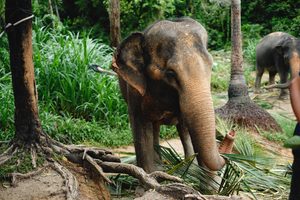
4. Elephant Hills — Khao Sok Rainforest Adventure
Elephant Hills is located in the Khao Sok region of southern Thailand rather than on Phuket itself.
Its rainforest experiences combine wildlife education with nature-based travel, making it an option for visitors who want to explore beyond Phuket’s beaches.
Depending on the itinerary, activities may include:
- Learning about elephant care and conservation.
- Exploring tropical rainforest landscapes.
- Guided canoe or river experiences.
- Staying in safari-style tented accommodations.
- Visiting scenic areas around Khao Sok National Park.
Transfers may be available from Phuket, but travel takes several hours. Check the current program carefully, including its elephant-interaction policies, before booking.
🦋 More Wildlife & Nature Adventures in Thailand
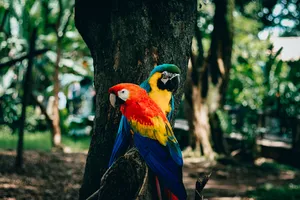
Elephants aren’t the only wildlife attraction in Thailand. Travelers can combine a sanctuary visit with other outdoor experiences.
Tropical Birds & Rainforest Wildlife
Thailand’s forests support colorful birds, butterflies, reptiles, and numerous mammal species.
Guided nature walks offer opportunities to appreciate these animals without disturbing their habitats.
Scenic Jungle Trails
Northern Thailand and the Khao Sok region feature lush forests, waterfalls, and scenic hiking opportunities.
Choose established trails and experienced local guides, particularly in remote areas.
Responsible Wildlife Photography
A telephoto lens or camera zoom helps capture beautiful wildlife photographs while maintaining a respectful distance.
Avoid flash photography when prohibited, never chase animals for pictures, and follow sanctuary instructions.
☀️ Best Time to Visit Elephant Sanctuaries in Thailand
Thailand offers elephant experiences throughout the year, although weather conditions differ by region.
November through February: Often brings relatively comfortable temperatures to Chiang Mai, making outdoor sightseeing pleasant. Phuket also generally experiences favorable beach weather during this period.
March through May: Hotter temperatures are common. Chiang Mai may experience significant seasonal smoke and air pollution, so check air-quality conditions before traveling.
June through October: Rainfall creates lush green landscapes, although muddy trails, heavy showers, and changing road conditions may affect outdoor activities. Rainfall patterns differ between northern Thailand and Phuket.
Regardless of season, reserve popular sanctuary visits ahead of time and check local weather forecasts.
🎒 What to Bring for Your Elephant Sanctuary Visit
Comfortable preparation makes a wildlife excursion more enjoyable.
- Lightweight, breathable clothing.
- Comfortable walking shoes with good traction.
- Refillable water bottle.
- Sunscreen and a wide-brimmed hat.
- Insect repellent.
- Camera or smartphone.
- Lightweight rain jacket during wetter months.
- Small daypack for personal belongings.
Avoid bringing food to feed elephants unless the sanctuary specifically authorizes it as part of a welfare-approved program.

🏨 Where to Stay — Chiang Mai, Phuket & Khao Sok
A comfortable base makes it easier to combine elephant experiences with sightseeing, nature walks, and cultural attractions.
Chiang Mai: Choose a hotel near the Old City for temples, markets, restaurants, and organized day-trip pickups. Countryside retreats offer a quieter setting.
Phuket: Beach resorts and boutique hotels provide convenient access to coastal attractions while allowing time for inland wildlife excursions.
Khao Sok: Jungle lodges, nature resorts, and safari-style tented stays are attractive options for travelers interested in rainforest scenery.
🏨 Plan Your Thailand Wildlife Getaway
Explore hotels, resorts, and other accommodations in Chiang Mai, Phuket, and the Khao Sok region to find a stay that suits your travel plans.
👉 Explore Thailand Hotels & Vacation Stays
Affiliate disclosure: This article may contain affiliate links. If you make a qualifying booking through one of these links, I may earn a commission at no additional cost to you.
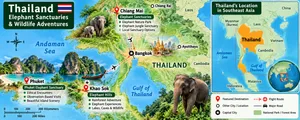
🌎 Continue Exploring Wildlife & Safari Adventures
Your Thailand elephant adventure can be part of a much larger journey into wildlife, forests, and unforgettable natural destinations.
Discover more wildlife-watching opportunities, scenic nature escapes, and responsible safari experiences through our Safari & Wildlife Adventure Hub.
👉 Explore More Safari & Wildlife Destinations
Add your existing safari hub link here.
🐘 Final Thoughts — Experience Thailand’s Elephants Responsibly
Seeing elephants in Thailand can be a memorable and meaningful travel experience. The most rewarding encounters are those that respect the animals’ needs and allow visitors to appreciate their natural behaviors.
From Chiang Mai’s mountain landscapes to Phuket’s tropical surroundings and Khao Sok’s rainforests, Thailand offers beautiful opportunities to combine responsible wildlife tourism with outdoor adventure.
Choose your sanctuary carefully, follow animal-welfare guidelines, and enjoy discovering the remarkable wildlife and natural beauty of Thailand.
Enjoy your travels and happy exploring!
Leave a Reply