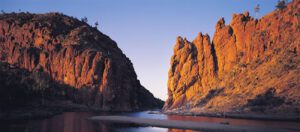
The West MacDonnell Ranges stretch over 160 kilometers in Australia’s Northern Territory, offering dramatic gorges, rugged ridges, and serene waterholes. This iconic Outback destination is ideal for hiking, camping, wildlife spotting, and photography. The ranges are a blend of natural beauty, Aboriginal heritage, and adventure, making them a must-visit on any Outback safari.
Thank you for reading this post, don't forget to subscribe!Why Visit the West MacDonnell Ranges?
- Dramatic Landscapes: Towering cliffs, deep gorges, and red rock formations define the scenery.
- Adventure Opportunities: Hiking, swimming in waterholes, and multi-day camping experiences.
- Wildlife & Flora: Black-footed rock wallabies, perentie lizards, and unique desert flora.
- Cultural Significance: Aboriginal connections to the land add cultural depth to the adventure.
Top Attractions & Trails
1. Simpsons Gap
- A striking gorge with towering cliffs and a permanent waterhole.
- Great for short walks, wildlife spotting, and photography.
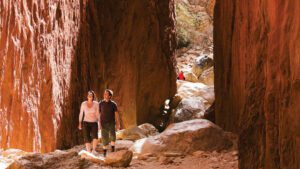
2. Standley Chasm
- A narrow rock gorge that glows orange at midday when sunlight hits the walls.
- Short, accessible walks with opportunities to learn about local flora.
3. Ormiston Gorge
- Ideal for swimming in a natural waterhole, hiking, and spotting black-footed rock wallabies.
- Offers both short walks and longer trails for more adventurous hikers.
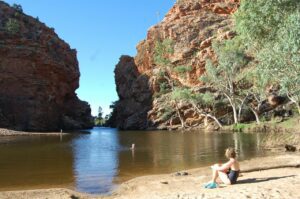
4. Ellery Creek Big Hole
- One of the largest waterholes in the region, perfect for a refreshing swim.
- Picnic areas and gentle walks make it family-friendly.
5. Larapinta Trail (Sections 1–12)
- A world-class multi-day hiking trail spanning the length of the ranges.
- Hikers can experience rugged Outback terrain, spectacular vistas, and diverse wildlife along the way.

Wildlife & Flora
- Mammals: Rock wallabies, dingoes, and occasional kangaroos.
- Birdlife: Peregrine falcons, wedge-tailed eagles, and zebra finches.
- Reptiles: Goannas, perenties, and thorny devils.
- Flora: Ghost gums, cycads, and spinifex grasses dominate the landscape.
Early morning or late afternoon provides the best wildlife spotting opportunities.
Safari Gear for the West MacDonnell Ranges
- Lightweight, sun-protective clothing – long sleeves for sun and insect protection.
- Hiking boots – essential for rocky trails.
- Wide-brimmed hat & sunglasses – protect against intense sunlight.
- Hydration pack & water bottles – stay hydrated in dry, hot conditions.
- Binoculars & camera gear – for capturing wildlife and scenic vistas.
- Sunscreen & insect repellent – vital in exposed areas.
- Camping equipment – tents, sleeping bags, and cooking gear for multi-day treks.
Planning Your Visit
- Best Time: May to September (cool, dry season).
- Accommodation: Camping, glamping, and lodges nearby.
- Guided Tours: Offer hiking, photography, and cultural insight.
- Travel Tips: Prepare for remote conditions, carry sufficient water, and stick to marked trails.
Closing Thoughts
The West MacDonnell Ranges offer a perfect blend of adventure, wildlife, and Outback beauty. From the towering cliffs of Simpsons Gap to the refreshing waters of Ellery Creek Big Hole, every stop reveals a new facet of Australia’s rugged landscapes. With proper planning, the right gear, and respect for the environment, exploring the West MacDonnell Ranges becomes an unforgettable Outback safari experience.

 Disclosure
As an Amazon Associate, I earn from qualifying purchases. This website also contains other affiliate links, and we may earn a small commission if you make a purchase through them — at no extra cost to you. We only recommend products and services we trust and believe will enhance your outdoor adventures. Thank you for supporting our work!
50 Must-Have Gear Items – Australia Gear Items
Discover the best drones and essential accessories to capture breathtaking landscapes, wildlife, and adventures across South America perfect for beginners and pros alike!
Drone Use: Know Before You Fly
Drone regulations vary widely depending on the location. Some parks, natural areas, and landmarks prohibit drones to protect wildlife, visitors, and sensitive environments, while others may allow them with certain restrictions or permits. Always check local, state, and federal rules before flying, respect no-fly zones, and prioritize safety, privacy, and environmental care during your adventure.
Visit the Ultimate Outdoor Adventure Mega Hub
Leave a Reply