
Australia’s Outback is one of the last great wilderness frontiers. Vast red deserts, rugged ranges, and remote bushlands define this iconic landscape. An Outback adventure isn’t just about sightseeing — it’s a journey into Australia’s history, wildlife, and natural beauty. From Uluru and Kata Tjuta to Kings Canyon and beyond, the Outback offers safari experiences that stay with you forever.
Thank you for reading this post, don't forget to subscribe!Why Visit the Outback?
The Outback is a land of extremes — intense heat, striking landscapes, and unique wildlife. Visitors come for:
- Iconic Landmarks: Uluru, Kata Tjuta, Kings Canyon, MacDonnell Ranges.
- Cultural Experiences: Aboriginal rock art guided cultural tours, and storytelling.
- Wildlife Encounters: Kangaroos, dingoes, wedge-tailed eagles, and desert reptiles.
- Adventure Activities: 4WD tours, camping under the stars, hot air balloon rides, and bushwalks.
This combination of nature, adventure, and culture makes the Outback a must-see destination for safari travelers.
🌍 **Warm Winter Escapes Await:**🌴
While much of the world cools down, these destinations come alive — offering sunshine, cozy retreats, and unforgettable adventures. From rainforest treehouses to remote canyons and sunny coastlines, each spot is a perfect winter getaway for travelers seeking warmth, exploration, and discovery.

Top Outback Safari Destinations
1. Uluru & Kata Tjuta
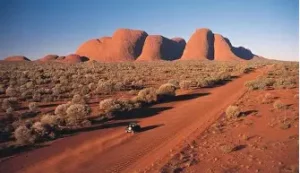
Uluru (Ayers Rock) is the most iconic landmark in Australia. Its fiery colors change throughout the day, making sunrise and sunset the perfect times for photography. Nearby Kata Tjuta (The Olgas) offers dramatic rock formations and scenic walking trails. Both sites are culturally significant to the Anangu people, and guided tours help visitors understand their spiritual importance.
2. Kings Canyon
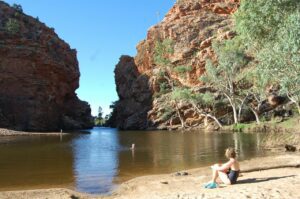
Located in Watarrka National Park, Kings Canyon features dramatic cliffs and lush valleys. The Rim Walk is a 6 km trail offering panoramic views, while the Garden of Eden provides a serene oasis with permanent waterholes. Wildlife spotting here can include rock wallabies, perentie lizards, and a variety of native birds.
3. West MacDonnell Ranges
Stretching over 160 km, the West MacDonnell Ranges are perfect for multi-day hikes, camping, and nature photography. Standout spots include Simpsons Gap, Standley Chasm, and Ormiston Gorge. These ranges are home to rare flora and fauna, including black-footed rock wallabies.
4. Alice Springs & Surrounds
Alice Springs is the gateway to the Outback and offers cultural experiences, camel rides, and access to remote tracks. Local tours highlight Aboriginal art, desert ecosystems, and opportunities for stargazing in one of the clearest skies on the planet.
Wildlife in the Outback
The Outback is alive with unique Australian wildlife. Common encounters include:
- Kangaroos & Wallabies – often seen at dawn or dusk.
- Dingoes – wild dogs found in remote areas.
- Birdlife – wedge-tailed eagles, galahs, and spinifex pigeons.
- Reptiles – goannas, perenties, and various lizards.
Pro tip: Wildlife is most active during cooler parts of the day, so early morning or late afternoon is ideal for spotting animals.
Outback Safari Gear Essentials
Proper gear ensures safety and comfort in remote areas:
- Lightweight, breathable clothing – long sleeves protect from sun and insects.
- Wide-brimmed hat & sunglasses – essential under the intense sun.
- Hiking boots – sturdy shoes for rugged terrain.
- Water bottles or hydration pack – dehydration can happen quickly in desert climates.
- Binoculars & camera – for capturing landscapes and wildlife.
- First aid kit – critical for remote travel.
- Navigation tools – maps, GPS devices, or apps for off-grid travel.
- Camping gear – tents, sleeping bags, and cooking equipment if staying overnight.
Planning Your Outback Safari
- Best Time to Visit: May to September (milder temperatures, dry season).
- Transportation: Guided 4WD tours, self-drive, or chartered flights.
- Accommodation: Camping, glamping, or lodge stays.
- Permits & Safety: Some areas require permits; always follow park regulations and travel prepared.
Closing Thoughts
Outback adventures are about more than just travel; they are about connecting with a land shaped by nature and culture. From the towering monolith of Uluru to the serene valleys of Kings Canyon, every step reveals a new layer of Australia’s wilderness. With the right preparation, gear, and guidance, your Outback safari becomes an unforgettable journey into one of the world’s most extraordinary landscapes.
 Disclosure
As an Amazon Associate, I earn from qualifying purchases. This website also contains other affiliate links, and we may earn a small commission if you make a purchase through them — at no extra cost to you. We only recommend products and services we trust and believe will enhance your outdoor adventures. Thank you for supporting our work!
50 Must-Have Gear Items – Australia Gear Items
Discover the best drones and essential accessories to capture breathtaking landscapes, wildlife, and adventures across South America perfect for beginners and pros alike!
Drone Use: Know Before You Fly
Drone regulations vary widely depending on the location. Some parks, natural areas, and landmarks prohibit drones to protect wildlife, visitors, and sensitive environments, while others may allow them with certain restrictions or permits. Always check local, state, and federal rules before flying, respect no-fly zones, and prioritize safety, privacy, and environmental care during your adventure.
East Africa Safaris – Kenya, Tanzania, Uganda

Leave a Reply