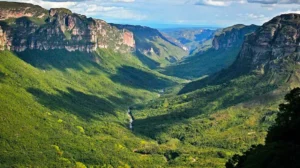
Nestled in the heart of Chapada Diamantina National Park in Bahia, Brazil, Vale do Pati is widely regarded as one of the most breathtaking trekking destinations in South America. Often described as the “most beautiful valley in Brazil,” Vale do Pati offers a unique blend of dramatic landscapes, traditional rural communities, and untouched natural beauty. For adventurous travelers, it’s a journey that combines physical challenge with cultural immersion. Vale do Pati, Brazil video
Thank you for reading this post, don't forget to subscribe!Why Visit Vale do Pati?
- Spectacular Scenery: Towering cliffs, emerald valleys, and cascading waterfalls make every step a photo opportunity.
- Authentic Local Culture: Small rural farms (fazendas) along the trails give a glimpse into traditional Bahian life.
- Adventure & Hiking: Trekking routes range from 3-day overnight trips to longer multi-day treks, catering to experienced hikers and nature lovers alike.
- Wildlife & Nature: Encounter endemic birds, lush forests, and unique flora of the Atlantic Forest and Cerrado regions.

Trekking Routes
1. Classic Vale do Pati Loop
- Duration: 3-5 days
- Highlights: Cachoeira da Fumacinha, Carioquinhas Valley, remote farms along the trail.
- Difficulty: Moderate to challenging, with some steep climbs and river crossings.
2. Extended Chapada Diamantina Trek
- Duration: 6-8 days
- Highlights: Combines Vale do Pati with other iconic locations such as Morro do Castelo, Cachoeira da Fumacinha, and Vale do Capão.
- Difficulty: Advanced — requires experience in multi-day trekking.

Best Time to Visit
- Dry Season: May to September, when trails are less muddy and waterfalls are accessible.
- Rainy Season: October to April, offers fewer tourists and lush landscapes but can make trails slippery.
How to Get There
- Nearest City: Lençóis, Bahia. Most travelers reach Vale do Pati by bus or car to Lençóis and then organize guided treks from there.
- Guided Treks: Required for multi-day hikes to ensure safety and support local communities.
Tips for Travelers
- Pack Light: Multi-day treks require carrying essentials like water, snacks, rain gear, and a sleeping bag.
- Local Guides: Hiring a local guide supports the community and enhances your experience.
- Respect Nature: Carry out all trash and avoid disturbing wildlife.
- Physical Preparation: Trails can be challenging; some experience in hiking or trekking is recommended.

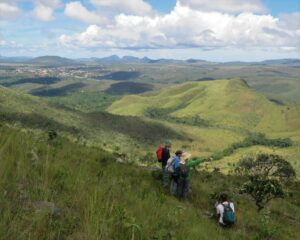
A group of hikers walks along the top of a hilly valley covered in green vegetation, with rolling hills and scenic landscapes stretching into the distance.  Disclosure
As an Amazon Associate, I earn from qualifying purchases. This website also contains other affiliate links, and we may earn a small commission if you make a purchase through them — at no extra cost to you. We only recommend products and services we trust and believe will enhance your outdoor adventures. Thank you for supporting our work!
 South America Adventure Gear Guide here
  Discover the best drones and essential accessories to capture breathtaking landscapes, wildlife, and adventures across South America perfect for beginners and pros alike! 50 Best Drone Gear & Accessories
  Drone Use: Know Before You Fly
Drone regulations vary widely depending on the location. Some parks, natural areas, and landmarks prohibit drones to protect wildlife, visitors, and sensitive environments, while others may allow them with certain restrictions or permits. Always check local, state, and federal rules before flying, respect no-fly zones, and prioritize safety, privacy, and environmental care during your adventure.
Leave a Reply