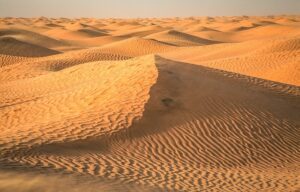
The Sahara Desert is a place of extremes. Stretching over 9.2 million square kilometers across North Africa, it is the largest hot desert in the world and a landscape that evokes both awe and curiosity. From sweeping sand dunes to rocky plateaus and ancient oases, the Sahara offers travelers a journey unlike any other.
Thank you for reading this post, don't forget to subscribe!🌵 Geography and Climate
The Sahara spans 11 countries, including Morocco, Algeria, Tunisia, Libya, Egypt, Mauritania, Mali, Niger, Chad, Sudan, and Eritrea. Despite its massive size, it’s not just sand — the landscape also features rocky mountains, gravel plains, and salt flats.
The climate is extreme:
- Summer temperatures can exceed 50°C (122°F)
- Nighttime can drop sharply in the desert’s cooler months
- Rainfall is sparse, often less than 25 mm per year in many areas
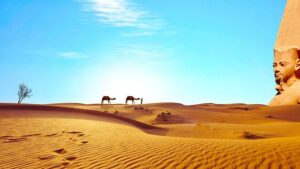
🏜️ Iconic Landscapes
- The Great Sand Seas (Ergs)
-
- Towering dunes, some reaching 180 meters high
- Famous regions include the Libyan Desert and Moroccan Erg Chebbi
- Perfect for photography and adventure experiences like camel trekking
- Rocky Plateaus (Hammadas)
-
- Vast, barren rock expanses with rugged beauty
- Offers a stark contrast to the soft, rolling dunes
- Oases and Palm Groves
-
- Scattered throughout the desert, providing life for local communities
- Examples: Siwa Oasis (Egypt), Timimoun Oasis (Algeria)
🐪

Desert Adventures
The Sahara is a playground for adventure seekers:
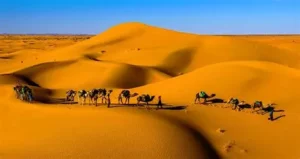
- Camel Treks: Travel like the nomads, exploring dunes and desert plains
- 4×4 Expeditions: Reach remote landscapes unreachable by traditional transport
- Sandboarding: Glide down massive dunes in Morocco or Algeria
- Star Gazing: The Sahara offers unparalleled night skies, far from city lights
For those seeking cultural experiences, the desert is home to Berber and Tuareg tribes, whose traditions and hospitality provide a unique window into life in one of the planet’s harshest environments.
🏛️
History and Archaeology
The Sahara is not just sand and sun; it’s steeped in history:
- Ancient Rock Art: Sites like Tassili n’Ajjer in Algeria reveal artwork dating back over 10,000 years
- Trade Routes: Caravans historically transported gold, salt, and spices across the desert
- Lost Cities: Remnants of old settlements dot the desert, hinting at civilizations that thrived long ago
🌍 Travel Tips
- Best Time to Visit: Late autumn to early spring (October–April) for milder temperatures
- Safety: Travel with experienced guides; some areas are remote and challenging
- Packing Essentials: Lightweight clothing, sun protection, a wide-brimmed hat, sturdy shoes, and plenty of water
✨
Why the Sahara Captures the Imagination
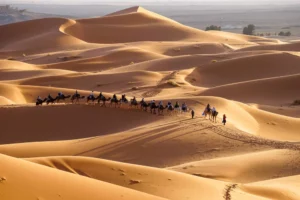
Few places on Earth evoke mystery like the Sahara. Its endless horizons, towering dunes, and ancient history make it a destination for adventure, culture, and photography. Whether you’re seeking an adrenaline rush on a dune or a quiet moment under a star-studded sky, the Sahara Desert offers an experience that stays with you long after you leave.
 Disclosure
 Disclosure
As an Amazon Associate, I earn from qualifying purchases. This website also contains other affiliate links, and we may earn a small commission if you make a purchase through them — at no extra cost to you. We only recommend products and services we trust and believe will enhance your outdoor adventures. Thank you for supporting our work!
Africa Safari Adventure Gear
Drone Use: Know Before You Fly
 Drone Use: Know Before You Fly
Drone regulations vary widely depending on the location. Some parks, natural areas, and landmarks prohibit drones to protect wildlife, visitors, and sensitive environments, while others may allow them with certain restrictions or permits. Always check local, state, and federal rules before flying, respect no-fly zones, and prioritize safety, privacy, and environmental care during your adventure. Visit the Ultimate Outdoor Adventure Mega Hub
Leave a Reply