
Yellowstone National Park is home to some of the most breathtaking landscapes in North America. While many visitors come to see famous geysers like Old Faithful, the park’s valleys, lakes, rivers, and waterfalls offer equally unforgettable experiences. From wildlife-filled valleys to crystal-clear mountain lakes and spectacular waterfalls carved by ancient volcanic activity, Yellowstone provides endless opportunities for sightseeing, hiking, photography, fishing, kayaking, and wildlife viewing.
Thank you for reading this post, don't forget to subscribe!Whether you’re planning your first visit or returning for another adventure, this guide highlights many of Yellowstone’s most scenic natural wonders.
Yellowstone’s Incredible Valleys
Yellowstone’s valleys are among the best places in the world to observe wildlife in its natural habitat. Early morning and late evening are often the best times to visit, when animals are most active and the light creates beautiful conditions for photography.
Lamar Valley
Often called “America’s Serengeti,” Lamar Valley is one of Yellowstone’s premier wildlife destinations. Wide open grasslands, winding rivers, and distant mountain ranges create an ideal habitat for many of the park’s most iconic animals.
Visitors commonly spot:
- American bison
- Gray wolves
- Pronghorn
- Coyotes
- Black bears
- Grizzly bears
- Elk
- Bald eagles
- Golden eagles
Lamar Valley is especially popular with wildlife photographers and visitors hoping to observe Yellowstone’s famous wolf packs.
Hayden Valley
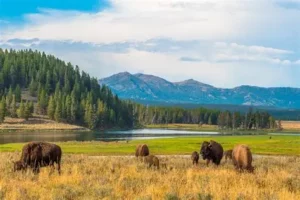
Located south of Canyon Village, Hayden Valley is another outstanding wildlife area. The Yellowstone River winds through the broad valley, creating wetlands and meadows that attract animals throughout the year.
Common wildlife includes:
- Large bison herds
- Elk
- Trumpeter swans
- Sandhill cranes
- River otters
- Coyotes
- Black bears
- Grizzly bears
Sunrise often blankets the valley with mist, making it one of Yellowstone’s most beautiful morning destinations.
Pelican Valley
Pelican Valley is quieter than Lamar or Hayden but rewards visitors with excellent wildlife viewing and backcountry hiking opportunities. The remote setting provides a peaceful Yellowstone experience away from the busiest roads.
Blacktail Plateau
Blacktail Plateau offers scenic drives across rolling hills where visitors frequently encounter elk, bison, pronghorn, coyotes, and occasionally bears. During spring and early summer, colorful wildflowers cover many of the open meadows.
Swan Lake Flats
Located between Mammoth Hot Springs and Norris, Swan Lake Flats is an excellent location for spotting moose, elk, waterfowl, and nesting birds. The nearby wetlands attract wildlife throughout the year.
Yellowstone’s Beautiful Lakes
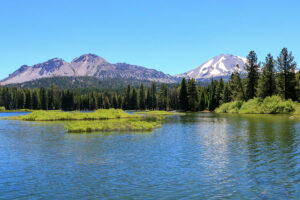
Yellowstone contains hundreds of lakes ranging from small alpine ponds to one of North America’s largest high-elevation lakes.
Yellowstone Lake
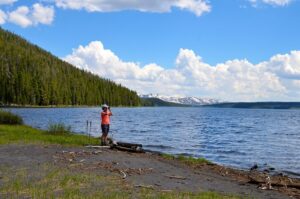
Yellowstone Lake is the largest high-elevation lake in North America, covering approximately 136 square miles. Surrounded by forests and mountain peaks, it offers spectacular scenery throughout every season.
Popular activities include:
- Scenic boating
- Kayaking
- Canoeing
- Fishing
- Wildlife viewing
- Sunrise photography
- Birdwatching
Nearby attractions include West Thumb Geyser Basin, Lake Village, and numerous hiking trails.
Lewis Lake
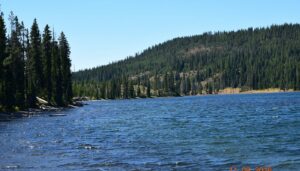
Lewis Lake is a favorite destination for paddlers seeking calm waters and peaceful surroundings. Its campground makes it an excellent overnight destination for visitors exploring Yellowstone’s southern region.
Activities include:
- Kayaking
- Canoeing
- Fishing
- Camping
- Wildlife viewing
Shoshone Lake
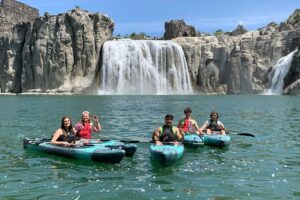
Shoshone Lake is Yellowstone’s second-largest lake and one of its most remote. Accessible primarily by hiking or paddling, it rewards adventurous visitors with solitude, beautiful scenery, and abundant wildlife.
The surrounding forests are home to:
- Moose
- Elk
- Bald eagles
- Ospreys
- Beavers
Heart Lake
Heart Lake sits beneath Mount Sheridan and offers one of Yellowstone’s finest backcountry destinations. Visitors who make the hike are rewarded with mountain views, natural hot springs, and excellent fishing opportunities.
Heart Lake is especially popular among backpackers seeking multi-day adventures.
Isa Lake
Isa Lake is one of Yellowstone’s most unique natural features because it lies along the Continental Divide. Water leaving different ends of the lake eventually flows toward both the Atlantic and Pacific Oceans through separate river systems.

The Yellowstone River
Stretching more than 690 miles, the Yellowstone River begins in Yellowstone National Park before flowing north through Montana. It remains the longest undammed river in the contiguous United States.
Within the park, the river shapes many of Yellowstone’s most spectacular landscapes.
Visitors enjoy:
- Scenic overlooks
- Wildlife viewing
- Photography
- Fishing
- Riverside hiking
- Picnicking
The Yellowstone River is particularly impressive as it flows through Hayden Valley and the dramatic Grand Canyon of the Yellowstone.
Yellowstone’s Spectacular Waterfalls
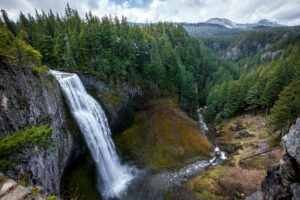
Yellowstone contains hundreds of waterfalls, each offering unique scenery and photographic opportunities.
Lower Falls
At approximately 308 feet, Lower Falls is Yellowstone’s tallest and most famous waterfall.
Popular viewpoints include:
- Artist Point
- Lookout Point
- Brink of Lower Falls Trail
- Red Rock Point
The waterfall’s colorful canyon walls create one of the park’s most iconic landscapes.
Upper Falls
Located just upstream from Lower Falls, Upper Falls plunges approximately 109 feet into the Yellowstone River.
Several overlooks provide beautiful perspectives, especially during spring runoff when water levels are highest.
Tower Fall
Tower Fall cascades approximately 132 feet beside towering volcanic rock formations. It has been one of Yellowstone’s most recognizable waterfalls since the park’s earliest days.
Nearby hiking trails provide additional scenic viewpoints.
Gibbon Falls
Located near Madison Junction, Gibbon Falls is easily accessible from the road and is one of Yellowstone’s most photographed waterfalls.
Fairy Falls
Fairy Falls rewards hikers with a peaceful 200-foot waterfall tucked within a beautiful forest. The trail also passes viewpoints overlooking Grand Prismatic Spring.
Mystic Falls
This picturesque waterfall is located in Biscuit Basin and can be reached via a relatively easy hiking trail. The surrounding geothermal features make it a popular destination.
Kepler Cascades
Situated along the road between Old Faithful and West Thumb, Kepler Cascades offers beautiful multi-tiered rapids surrounded by forest.
Wraith Falls
A short walk leads visitors to this charming waterfall located near Mammoth Hot Springs. The trail is family-friendly and often provides opportunities to spot wildlife.
Undine Falls
Undine Falls is one of Yellowstone’s hidden roadside gems. Several viewing pullouts provide excellent views of the graceful multi-level cascade.
Best Photography Locations
Photographers visiting Yellowstone should consider these outstanding locations:
- Lamar Valley at sunrise
- Hayden Valley in early morning mist
- Yellowstone Lake at sunrise
- Artist Point overlooking Lower Falls
- Tower Fall
- Fairy Falls
- Gibbon Falls
- Shoshone Lake backcountry
- Heart Lake
- Swan Lake Flats
Golden hour lighting often creates the most dramatic landscapes and wildlife photographs.
Best Time to Visit
Spring (April–May):
Melting snow creates powerful waterfalls, rivers run high, and newborn wildlife begins appearing throughout the park.
Summer (June–August):
Warm weather opens nearly all park roads and trails, making it ideal for boating, hiking, and sightseeing.
Fall (September–October):
Brilliant autumn colors, active wildlife, and fewer crowds make this one of the best seasons for photographers.
Winter (November–March):
Snow transforms Yellowstone into a peaceful wilderness where frozen waterfalls, steaming rivers, and wildlife create unforgettable scenes.
Travel Tips
- Visit valleys early in the morning for the best wildlife viewing.
- Carry binoculars for distant animals.
- Stay on designated trails and boardwalks.
- Maintain safe distances from wildlife.
- Bring layers, as mountain weather changes quickly.
- Reserve lodging and campgrounds well in advance for summer visits.
Explore More Yellowstone Adventures
Yellowstone’s valleys, lakes, rivers, and waterfalls showcase the incredible diversity of America’s first national park. Whether you’re watching wolves roam Lamar Valley, kayaking on Yellowstone Lake, hiking to Fairy Falls, or photographing the colorful Grand Canyon of the Yellowstone, every visit offers new discoveries.
Continue exploring Yellowstone by reading our additional guides covering wildlife viewing, hiking trails, geysers, hot springs, campgrounds, cabins, hotels, RV adventures, photography locations, and outdoor gear recommendations to help plan your next unforgettable national park adventure.
 Disclosure
As an Amazon Associate, I earn from qualifying purchases. This website also contains other affiliate links, and we may earn a small commission if you make a purchase through them — at no extra cost to you. We only recommend products and services we trust and believe will enhance your outdoor adventures. Thank you for supporting our work!

50 Must-Have Water Adventure Items
Discover the best drones and essential accessories to capture breathtaking landscapes, wildlife, and adventures across South America perfect for beginners and pros alike!
Drone Use: Know Before You Fly
Drone regulations vary widely depending on the location. Some parks, natural areas, and landmarks prohibit drones to protect wildlife, visitors, and sensitive environments, while others may allow them with certain restrictions or permits. Always check local, state, and federal rules before flying, respect no-fly zones, and prioritize safety, privacy, and environmental care during your adventure.
Leave a Reply