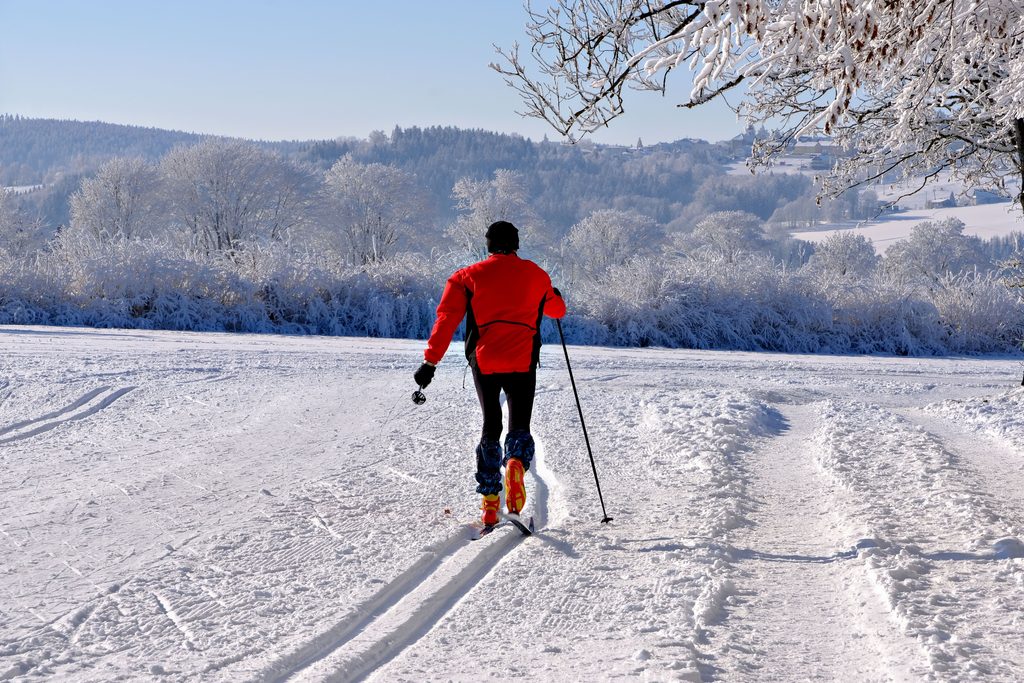
Imagine gliding silently through a snow-covered forest, surrounded by towering evergreen trees, sparkling white meadows, and distant mountain peaks. The only sounds are the gentle movement of your skis across fresh snow and the occasional call of a bird echoing through the wilderness.Welcome to Yellowstone National Park in winter, where snowshoeing and cross-country skiing offer extraordinary opportunities to explore one of America’s most spectacular natural landscapes.
While summer visitors arrive to admire geysers, waterfalls, and wildlife, winter transforms Yellowstone into a peaceful wonderland of frozen rivers, steaming geothermal features, and pristine wilderness trails.
Whether you’re a beginner hoping to experience your first snowshoe adventure or an experienced cross-country skier searching for beautiful backcountry scenery, Yellowstone offers unforgettable winter experiences.
In this guide, discover the best winter trail areas, scenic skiing destinations, wildlife photography opportunities, essential equipment, comfortable lodging options, and practical tips for planning your Yellowstone winter adventure.
❄️ Why Visit Yellowstone for Snowshoeing & Cross-Country Skiing?
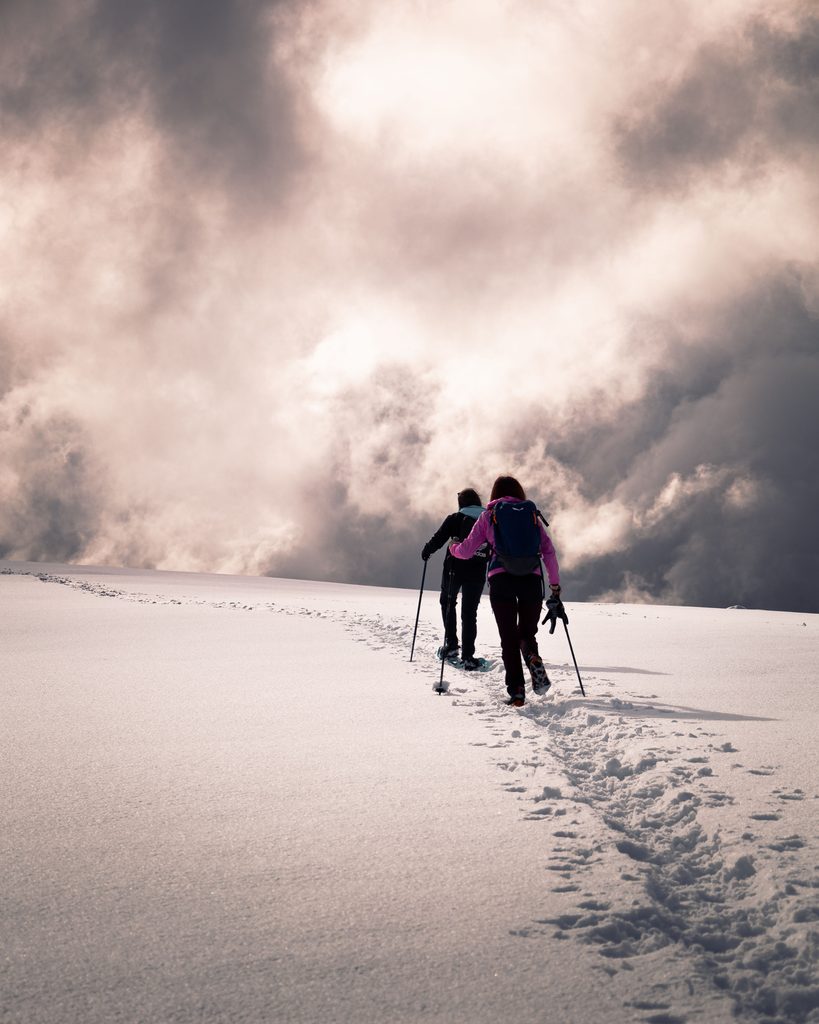
Yellowstone becomes a completely different destination when winter arrives.
Deep snow blankets mountain valleys, forests, and open meadows. Steam rises dramatically from geothermal features, while bison and elk navigate the snowy landscape.
Unlike motorized winter excursions, snowshoeing and cross-country skiing allow visitors to experience the park at a slower, quieter pace.
What Makes Yellowstone Winter Trails Special?
- Spectacular scenery: Snow-covered forests, mountain valleys, frozen landscapes, and steaming geothermal areas.
- Winter wildlife: Opportunities to observe bison, elk, coyotes, foxes, and birds from safe distances.
- Peaceful surroundings: Fewer visitors and quieter natural environments than during the busy summer season.
- Outdoor exercise: Enjoy a rewarding winter activity surrounded by beautiful wilderness.
- Photography opportunities: Capture frost-covered trees, animal tracks, misty rivers, and dramatic winter lighting.
- Different difficulty levels: Choose from accessible introductory outings to demanding wilderness routes.
Yellowstone’s winter landscape rewards visitors who appreciate nature, solitude, and outdoor exploration.
Although only a limited number of trails are groomed, many designated trails and unplowed routes offer skiing and snowshoeing opportunities when conditions permit.
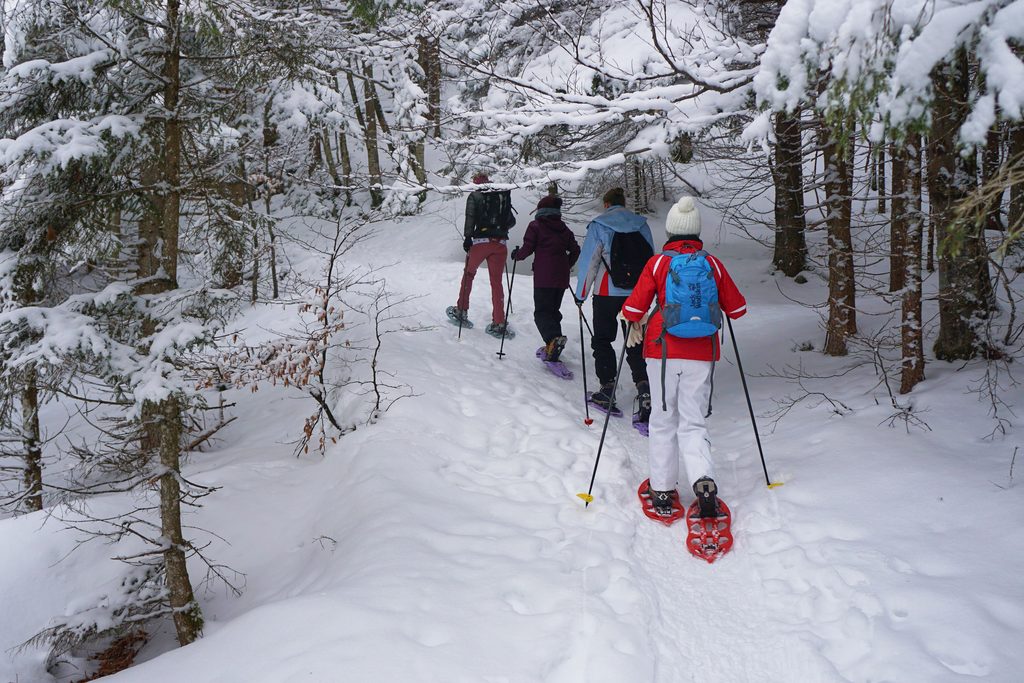
Always check current trail information before beginning an excursion.
🥾 Snowshoeing in Yellowstone National Park
Snowshoeing is one of the most approachable ways to explore Yellowstone’s winter landscapes.
Modern snowshoes distribute your weight across the snow, making it easier to travel through snowy terrain than walking in ordinary winter boots.
Visitors can explore forest trails, open meadows, and scenic overlooks without needing advanced skiing skills.
Why Snowshoeing Is Great for Beginners
Snowshoeing requires relatively little specialized technique.
If you’re comfortable walking outdoors and have reasonable fitness, you may be able to enjoy an introductory snowshoe outing.
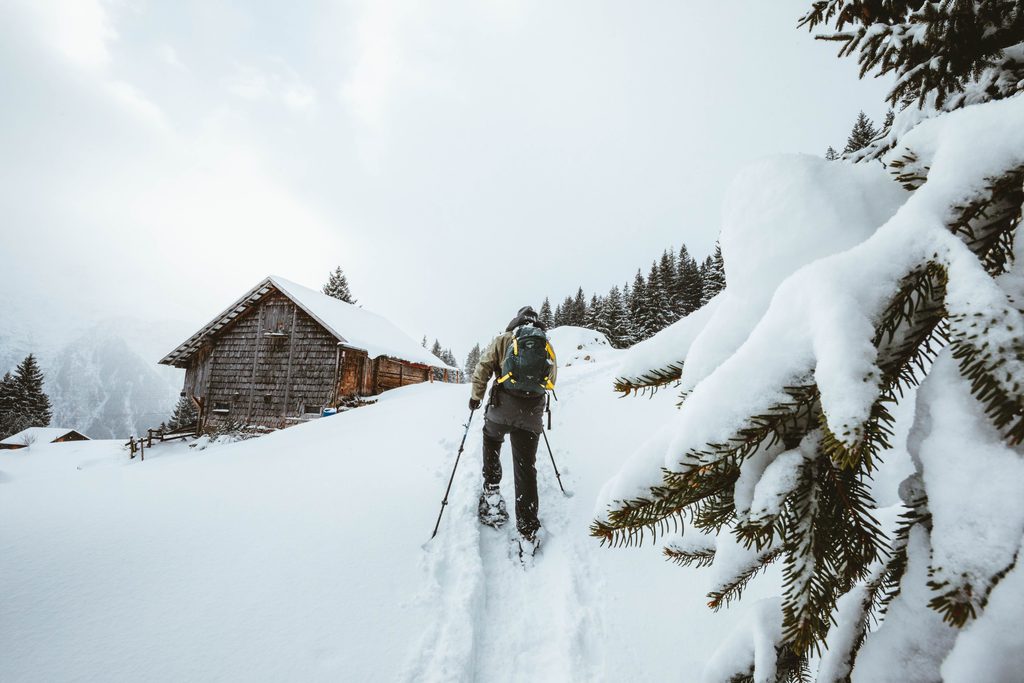
However, deep powder, hills, high elevation, and severe winter temperatures can make Yellowstone trails surprisingly demanding.
Start with a short, established route before attempting longer adventures.
What You’ll Experience
Picture yourself walking beneath snow-covered pine branches while sunlight filters through the forest.
Animal tracks cross the trail, distant mountain ridges rise above the trees, and clouds of geothermal steam drift across the horizon.
Some areas offer opportunities to photograph wildlife, while others feature beautiful views of Yellowstone’s volcanic landscape.
For visitors seeking a peaceful winter experience, snowshoeing is an excellent choice.
🎿 Cross-Country Skiing in Yellowstone National Park
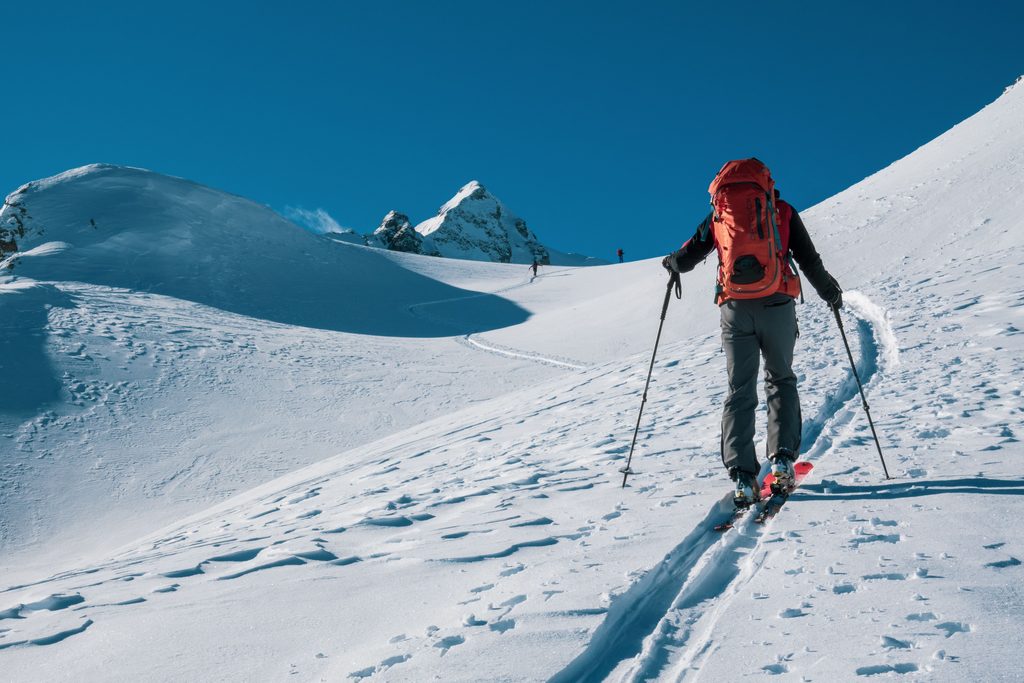
Cross-country skiing offers another wonderful way to experience Yellowstone’s snowy wilderness.
Unlike downhill skiing, cross-country skiing generally follows rolling terrain, forest trails, and open landscapes rather than relying on chairlifts and steep resort slopes.
Yellowstone provides opportunities for both recreational skiing and more demanding backcountry travel.
Classic Cross-Country Skiing
Classic skiing uses a forward-and-backward gliding motion along snow-covered trails.
It can be especially enjoyable on maintained tracks and gently rolling terrain.
Beginners may prefer groomed or established trails where available.
Backcountry Ski Touring
Experienced visitors may explore ungroomed winter routes using appropriate touring equipment.
These outings can provide exceptional solitude and scenery but require stronger navigation, weather assessment, and wilderness skills.
Deep snow, avalanche terrain, wildlife encounters, and rapidly changing conditions make backcountry travel significantly more challenging than skiing on maintained trails.
For first-time visitors, a guided outing or established introductory trail is usually the better choice.
🏔️ Best Places for Snowshoeing & Cross-Country Skiing in Yellowstone
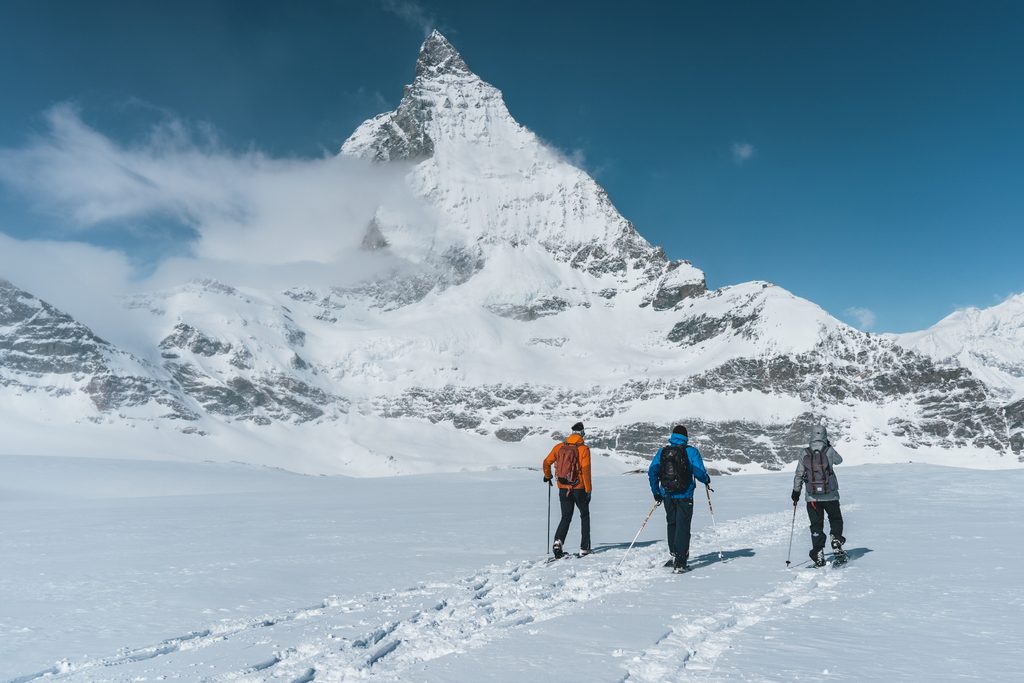
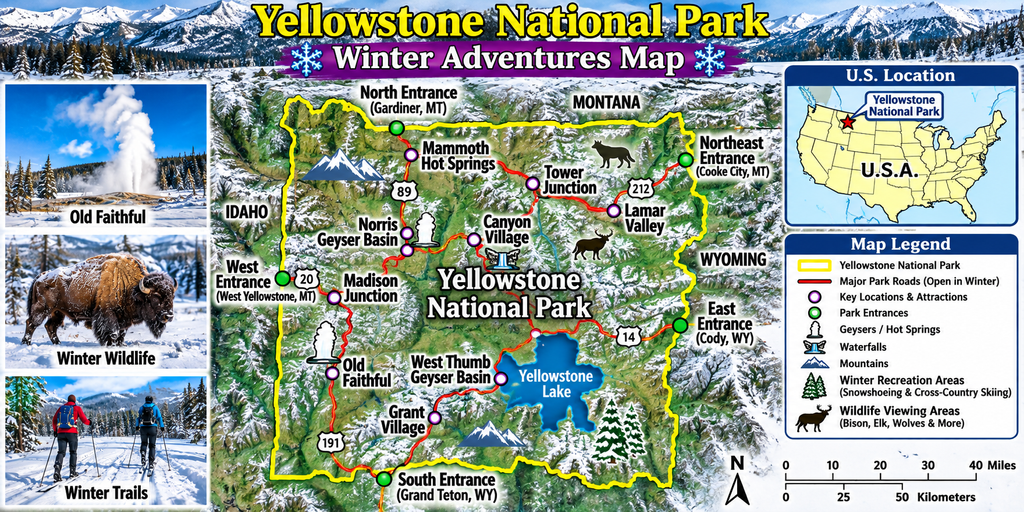
Yellowstone contains several distinct winter trail regions, each offering different scenery and experiences.
Some are accessible from the park’s northern road, while others require special winter transportation.
1. Mammoth Hot Springs Winter Trails
Mammoth Hot Springs is one of Yellowstone’s most practical starting points for winter snowshoeing and cross-country skiing.
Located near the North Entrance, the Mammoth area offers access to snowy forests, rolling hills, and remarkable geothermal scenery.
Visitors can explore established winter routes while enjoying views of the surrounding mountains and historic Mammoth area.
Highlights include:
- Snow-covered evergreen forests
- Winter landscapes near Mammoth Hot Springs
- Scenic rolling terrain
- Opportunities for wildlife observation
- Access from the northern Yellowstone region
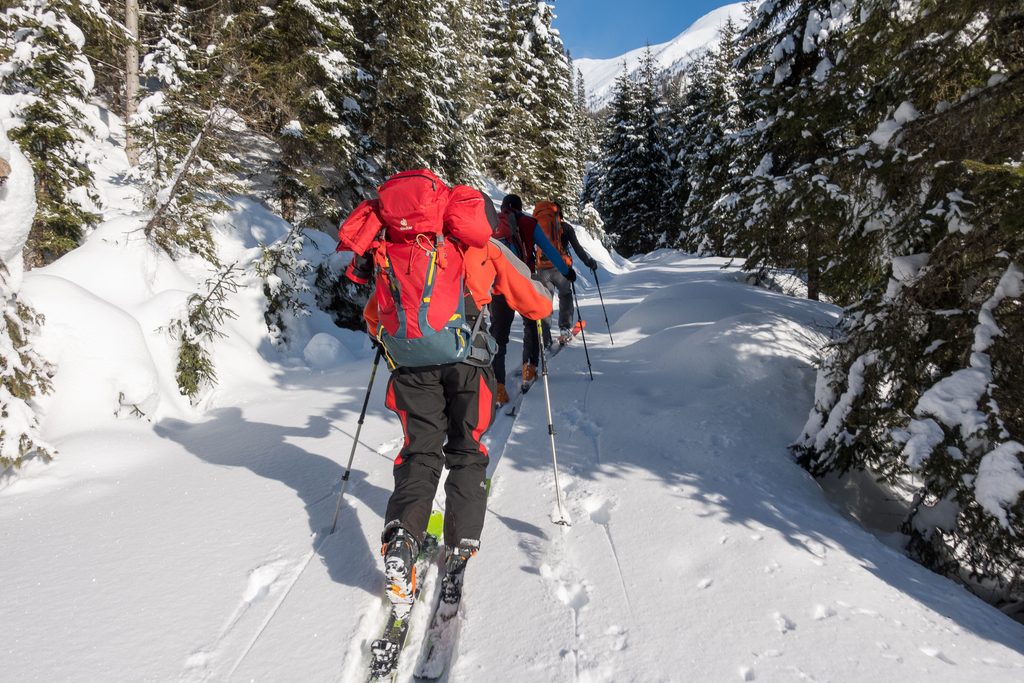
The Mammoth area is especially appealing for visitors staying in Gardiner, Montana.
Some trails are more demanding than they initially appear, so choose routes according to your experience and current snow conditions.
2. Upper Terrace and Snow Pass Area
The Mammoth region includes routes associated with the Upper Terrace and Snow Pass area.
These trails offer opportunities to experience forested hillsides, winter mountain scenery, and the quieter landscape surrounding Mammoth.
Depending on the route, visitors may encounter climbs, descents, and variable snow conditions.
Snow Pass is not simply an easy stroll; portions of the area’s trail network are better suited to visitors comfortable with winter navigation and changing terrain.
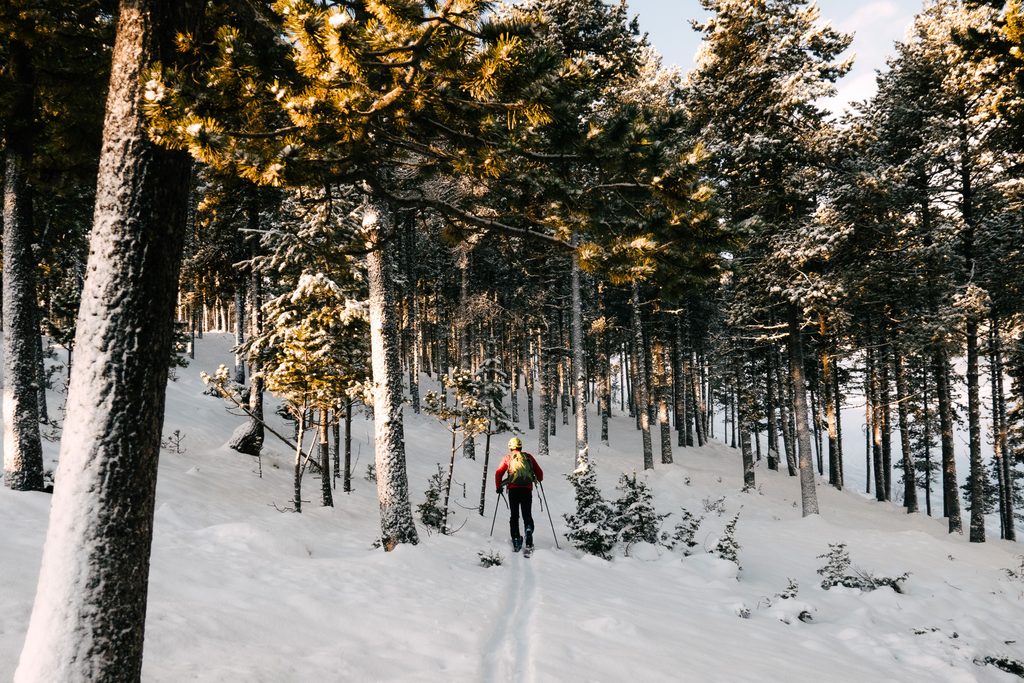
Photography opportunities include:
- Frost-covered trees
- Snowy mountain slopes
- Forest pathways
- Winter sunlight across open clearings
- Distant geothermal steam
Check the National Park Service’s current Mammoth trail descriptions before choosing a route.
3. Tower Junction Winter Trails
The Tower region provides access to beautiful winter scenery along Yellowstone’s northern corridor.
Here, snowy forests meet open landscapes, creating a rewarding environment for experienced winter explorers.
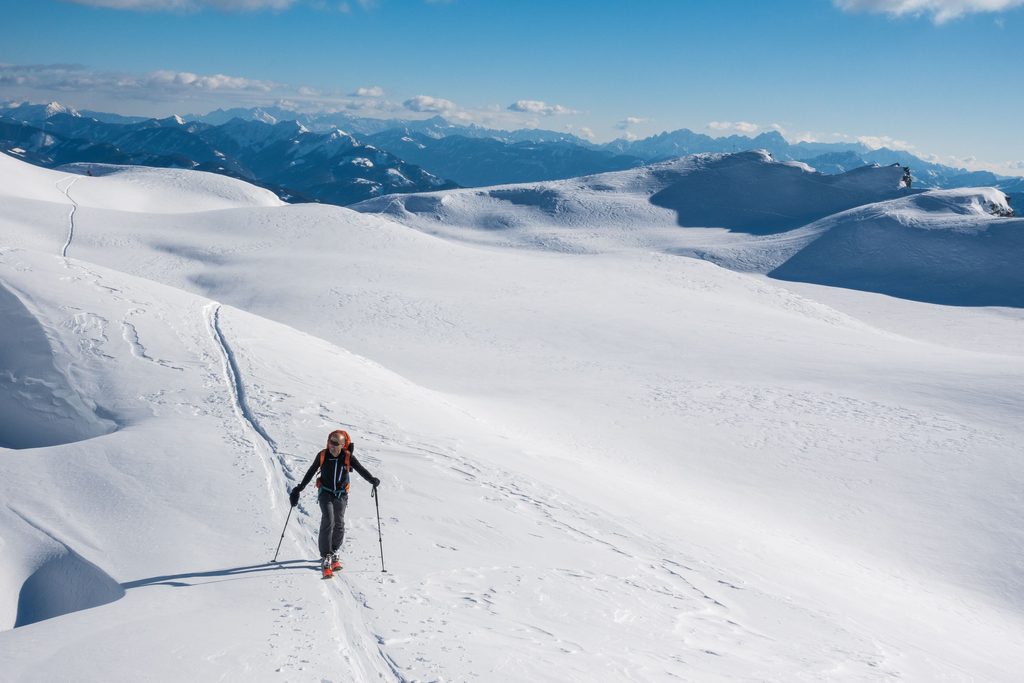
Depending on conditions and trail access, visitors may enjoy routes with views of rolling terrain, forested ridges, and wildlife habitat.
The Tower area is particularly attractive for travelers who want to combine winter recreation with a scenic drive through northern Yellowstone.
Highlights include:
- Quiet forest surroundings
- Snow-covered hills and valleys
- Winter wildlife habitat
- Scenic photography
- Access from the northern park road
Use established winter trail routes rather than assuming that every summer hiking trail is suitable for winter travel.
4. Northeast Yellowstone & Lamar Valley Area
Yellowstone’s northeastern region is famous for its wide valleys, dramatic mountains, and extraordinary wildlife.
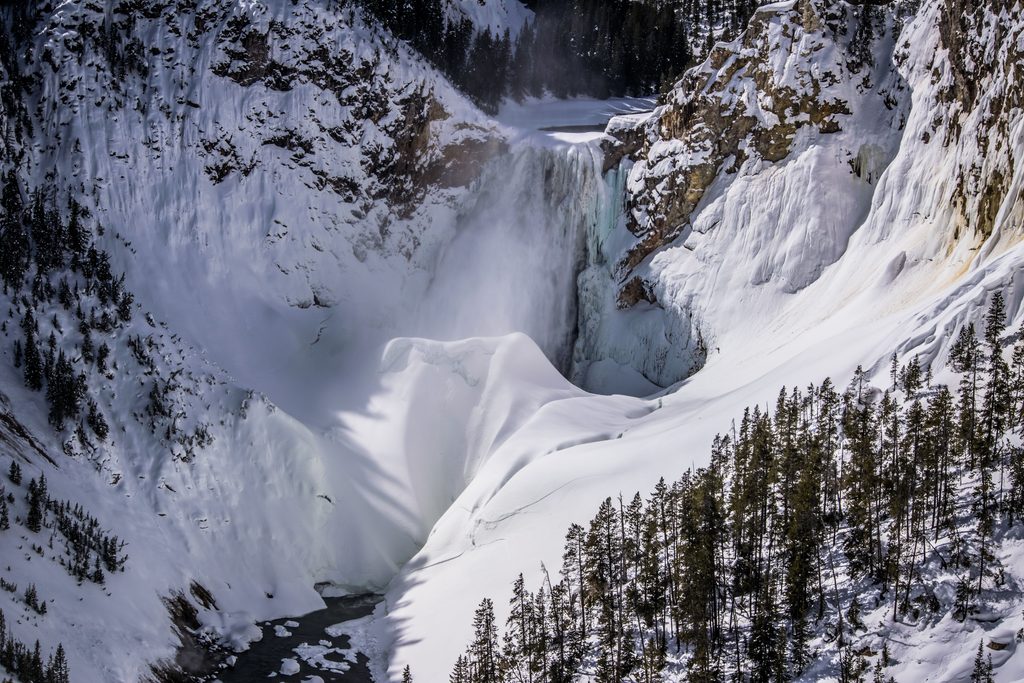
Lamar Valley is especially well known for bison and wolf watching.
The broader northeast trail region offers opportunities for winter skiing and snowshoeing, although trail difficulty, snow depth, and wildlife activity vary considerably.
Visitors may enjoy views of distant mountain ridges, open meadows, and snow-covered wilderness.
What makes this region memorable?
- Expansive winter valley scenery
- Wildlife viewing opportunities
- Mountain photography
- Quiet natural surroundings
- Beautiful snow-covered landscapes
Lamar Valley itself is best approached as a wildlife-viewing destination rather than an unrestricted snowshoeing playground.
Select established routes, avoid disturbing wildlife, and never approach animals for photographs.
5. West Yellowstone & Gallatin Winter Trails
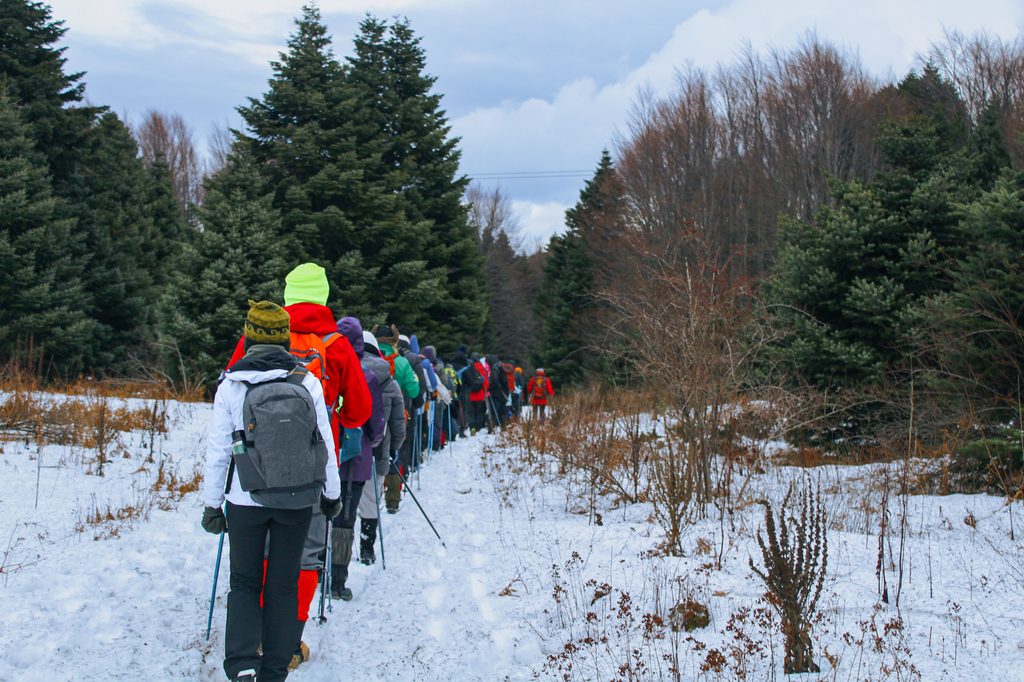
West Yellowstone, Montana, is one of the best-known gateways for winter recreation.
The surrounding Gallatin region offers a variety of skiing opportunities, while the community provides convenient access to equipment rentals, winter accommodations, and outdoor services.
Visitors may find groomed Nordic trails in the greater West Yellowstone area as well as more challenging routes in nearby public lands.
Highlights include:
- Forest skiing opportunities
- Scenic snow-covered landscapes
- Beginner-friendly options in developed Nordic areas
- Winter equipment rentals
- Convenient lodging and restaurants
Remember that trails outside Yellowstone National Park may have different access rules, fees, grooming arrangements, and management agencies.
For visitors who want a combination of Yellowstone sightseeing and recreational skiing, West Yellowstone makes an excellent base.
6. Old Faithful Winter Snowshoeing & Skiing
Old Faithful is among Yellowstone’s most extraordinary winter destinations.
Imagine traveling across a snowy landscape while geothermal steam rises from the ground and one of the world’s most famous geysers erupts against a backdrop of white forests.
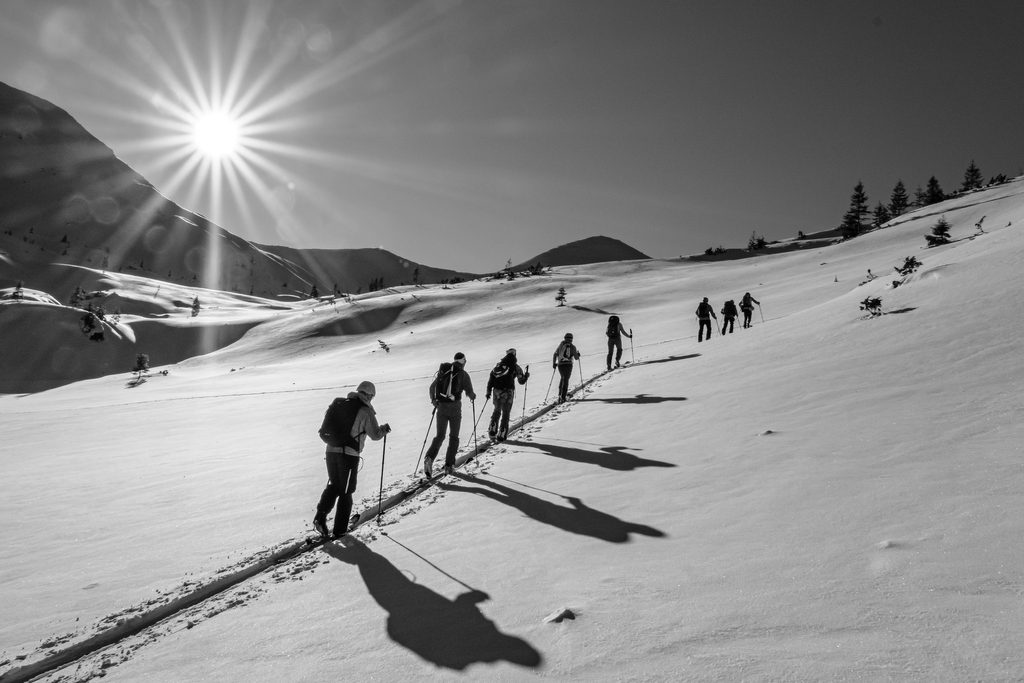
The Old Faithful area contains established winter routes that allow visitors to experience the remarkable Upper Geyser Basin landscape.
Access is more complicated than in summer because regular passenger vehicles cannot drive to Old Faithful during the main winter season.
Visitors generally reach the area through authorized snowcoach or snowmobile transportation.
Highlights include:
- Old Faithful geyser eruptions
- Snow-covered geothermal landscapes
- Steaming hot springs
- Forest scenery
- Winter photography
Never leave designated routes in thermal areas. Thin ground and hidden hot water can create life-threatening hazards.
7. Observation Point Snowshoe Trail
The Observation Point Loop is one of the particularly interesting snowshoeing experiences in the Old Faithful area.
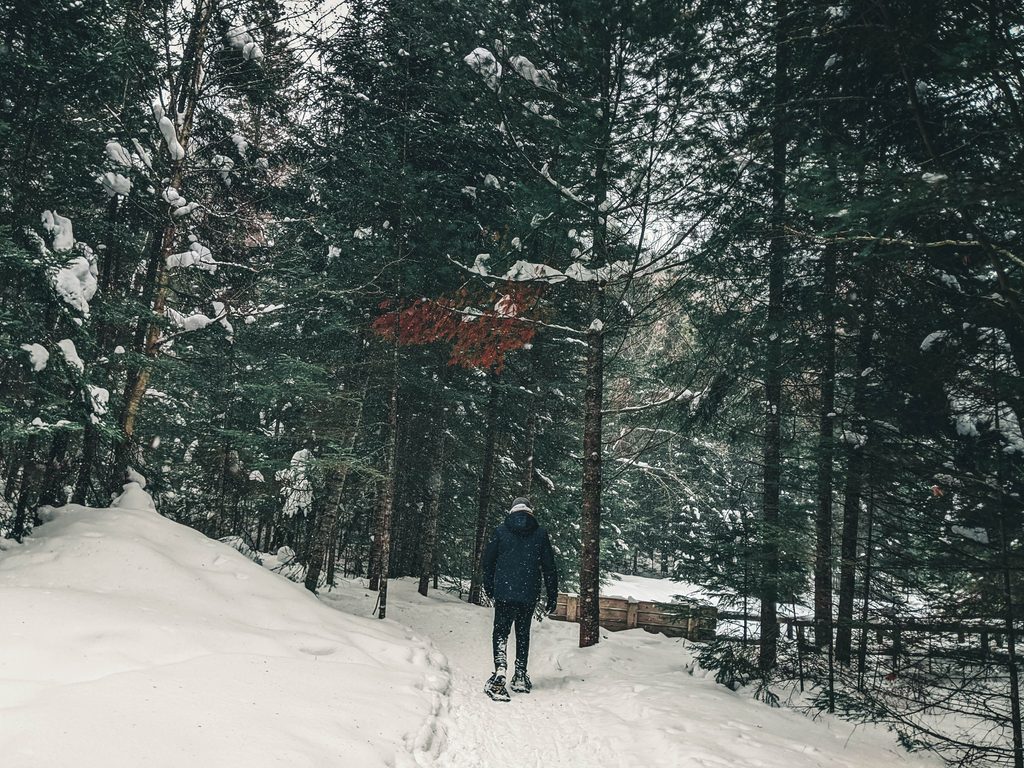
According to the National Park Service, this approximately two-mile loop offers elevated views of the Upper Geyser Basin and Firehole River.
The route includes uphill and downhill sections and is classified as more difficult.
Along the way, visitors may experience snowy forest scenery, views of geothermal steam, and a memorable perspective above the basin.
Trail snapshot:
- Distance: Approximately 2 miles
- Typical duration: 1–2 hours
- Activity: Snowshoeing
- Difficulty: More difficult
- Location: Old Faithful area
This is an excellent option for reasonably fit visitors who are prepared for winter conditions and have arranged transportation to Old Faithful.
8. Canyon Area Winter Trails
The Grand Canyon of the Yellowstone is one of the park’s most dramatic natural attractions.
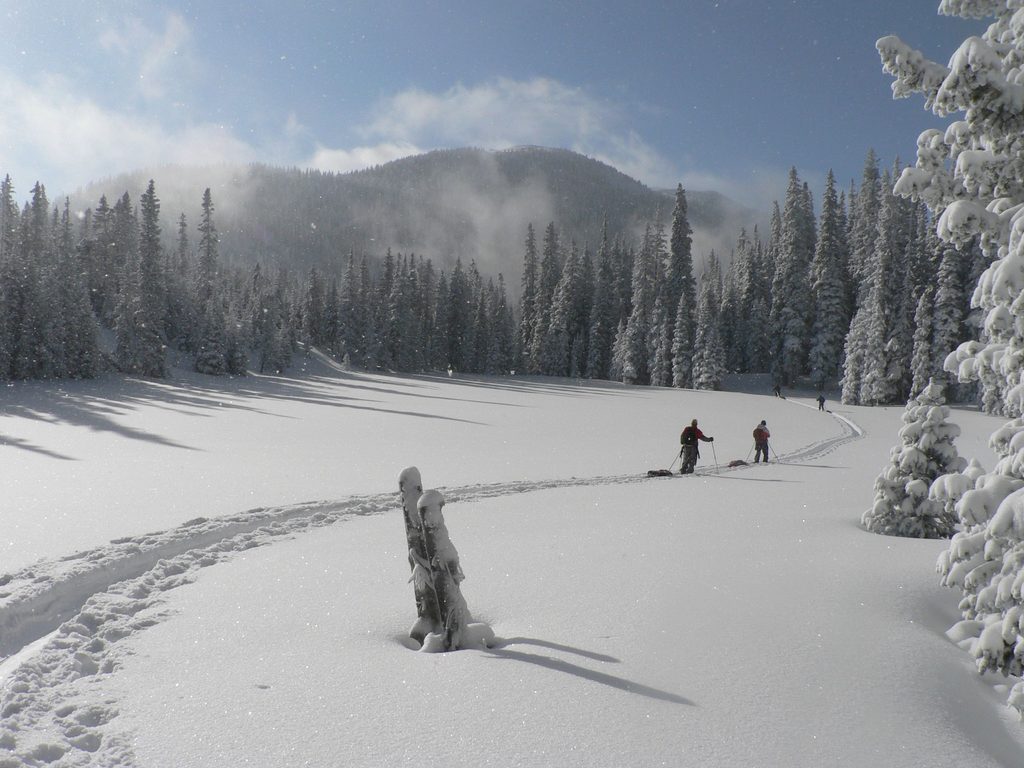
In winter, snow and ice transform the canyon landscape, creating remarkable photographic scenery.
The broader Canyon area has designated skiing and snowshoeing opportunities, including forest routes and winter landscapes near the canyon region.
Access generally requires authorized oversnow transportation.
Visitors should not assume that summer overlooks, canyon rims, or walking paths are safe or accessible during winter.
Highlights include:
- Snow-covered forests
- Winter canyon scenery
- Dramatic mountain and river landscapes
- Scenic photography
- Quiet wilderness surroundings
Stay on designated winter routes and obey all closures around canyon edges and hazardous terrain.
🦬 Winter Wildlife Along Yellowstone’s Snowy Trails
One of the most memorable parts of visiting Yellowstone in winter is observing wildlife in a dramatic snow-covered environment.
Animals must adapt to cold temperatures, deep snow, and limited food sources.
Visitors may encounter signs of wildlife activity even when the animals themselves remain hidden.
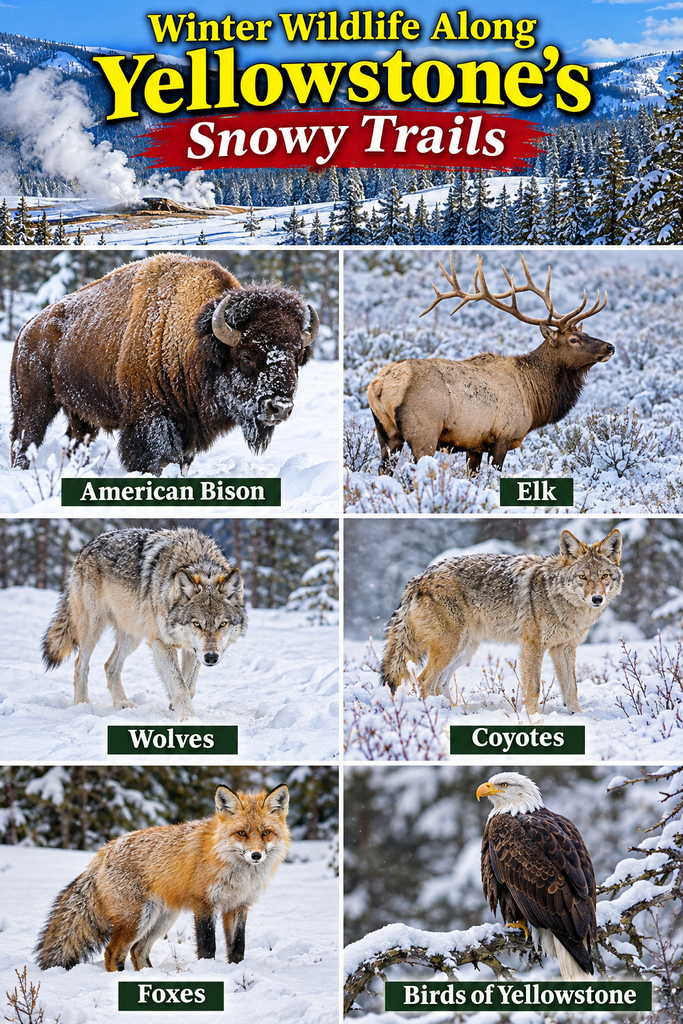
American Bison
Bison are among Yellowstone’s most recognizable winter residents.
Their thick coats help them survive harsh conditions, and they may use their powerful heads to move snow while searching for vegetation.
Watching bison move through snowy valleys can be an unforgettable experience.
Always remain at least 25 yards away and give them plenty of space.
Elk
Elk may be seen in parts of northern Yellowstone, including the Mammoth region.
Their large silhouettes stand out beautifully against snow-covered forests and hillsides.
Observe them from a distance and avoid blocking their travel routes.
Wolves
Yellowstone’s wolves are among the park’s most fascinating animals.
Lamar Valley is a well-known destination for wolf watching, especially with binoculars or a spotting scope.
Wolf sightings are never guaranteed.
Maintain at least 100 yards of distance and never follow wolves on foot.
Coyotes and Foxes
Coyotes and foxes may be observed hunting across snowy meadows or traveling through open landscapes.
Their winter behavior can provide excellent wildlife photography opportunities.
Use a telephoto lens rather than attempting to approach them.
Birds of Yellowstone
Winter visitors may also observe ravens, eagles, American dippers, and other birds adapted to Yellowstone’s challenging climate.
Open rivers and forest edges can be particularly interesting places for birdwatching.
Carry binoculars and allow plenty of time for quiet observation.
📸 Winter Photography Tips for Snowshoeing & Skiing Adventures
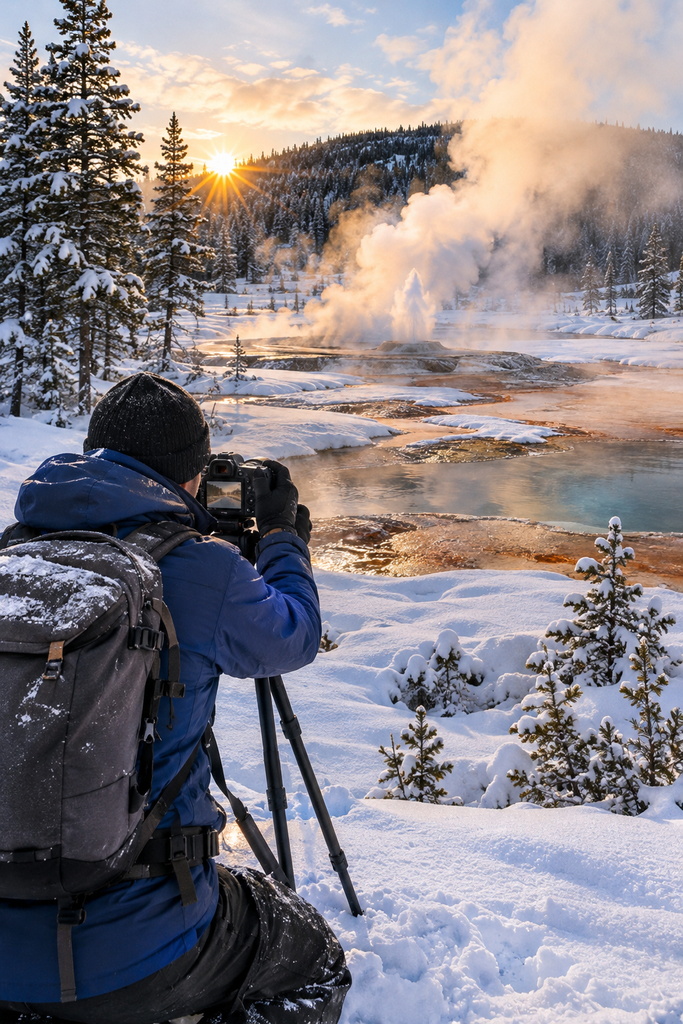
Yellowstone’s winter landscape offers extraordinary opportunities for outdoor photographers.
Fresh snow, frosted trees, dramatic geothermal steam, and wildlife create beautiful compositions.
Photograph Snow-Covered Forests
Look for winding trails leading between tall evergreen trees.
A skier or snowshoer in the distance can help communicate the scale of the landscape.
Capture Geothermal Steam
Cold winter air makes steam from Yellowstone’s geothermal features especially dramatic.
Early morning light may create beautiful glowing clouds above hot springs and geysers.
Photograph thermal features only from approved viewing areas.
Look for Animal Tracks
Tracks in fresh snow can make interesting photographs and reveal the presence of wildlife.
Avoid following tracks into unsafe terrain or disturbing animals.
Use Morning and Late-Afternoon Light
Low winter sunlight can create beautiful shadows, warm mountain colors, and sparkling snow.
Cold weather drains camera batteries more quickly, so carry fully charged spares in an insulated pocket.
Protect Your Camera Equipment
Use weather-resistant bags, keep lenses dry, and avoid sudden temperature changes that may cause condensation.
A lightweight tripod may be helpful where conditions and park regulations permit.
🧭 Guided Snowshoeing & Cross-Country Skiing Tours
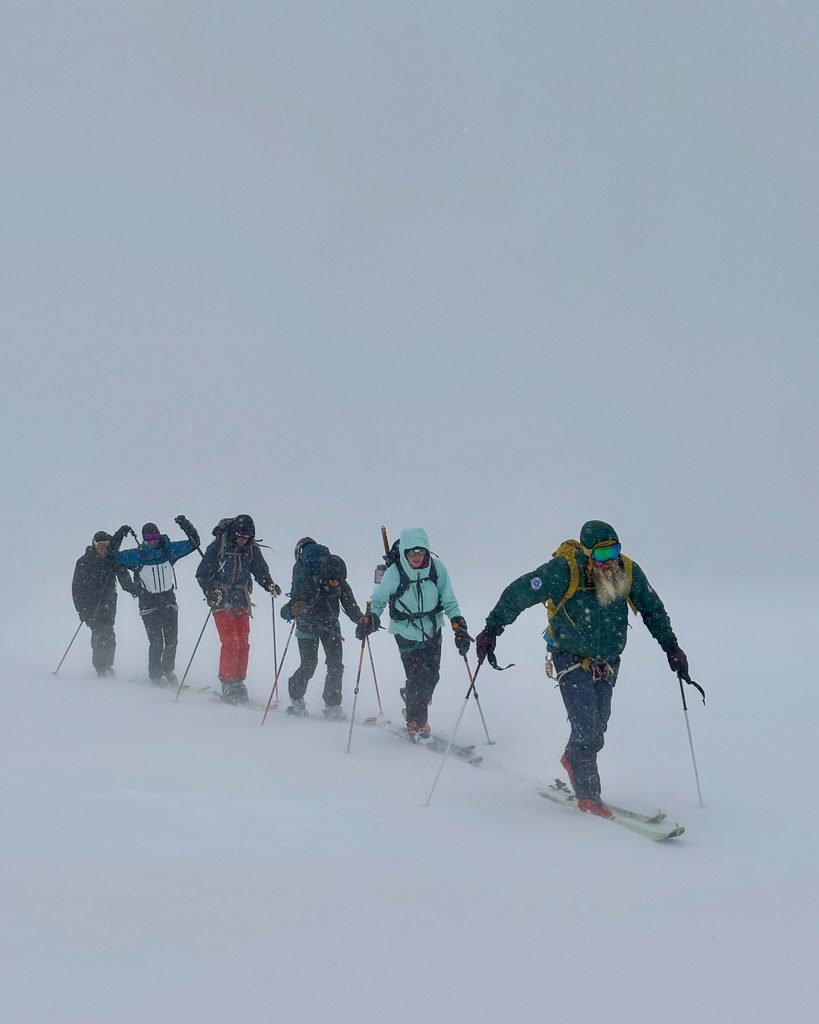
Guided winter adventures can be particularly valuable for visitors unfamiliar with Yellowstone.
Professional guides can help participants understand trail conditions, identify wildlife signs, navigate snowy landscapes, and recognize potential hazards.
Guided outings may be available through authorized operators in and around Yellowstone.
Benefits of a Guided Winter Adventure
- Local knowledge of winter trail conditions
- Help selecting routes appropriate to your ability
- Information about wildlife and natural history
- Support with navigation and safety planning
- Opportunities to learn basic skiing or snowshoeing techniques
Some outfitters may offer equipment rentals or instruction, while others require visitors to bring their own gear.
Always confirm the operator’s authorization, itinerary, equipment arrangements, and cancellation policies before booking.
For beginners, a short guided snowshoe outing can be a rewarding introduction to Yellowstone’s winter wilderness.
📅 Best Time to Visit Yellowstone for Snowshoeing & Skiing
Yellowstone’s winter recreation season generally extends from December through March, although snow conditions vary by elevation, location, and year.
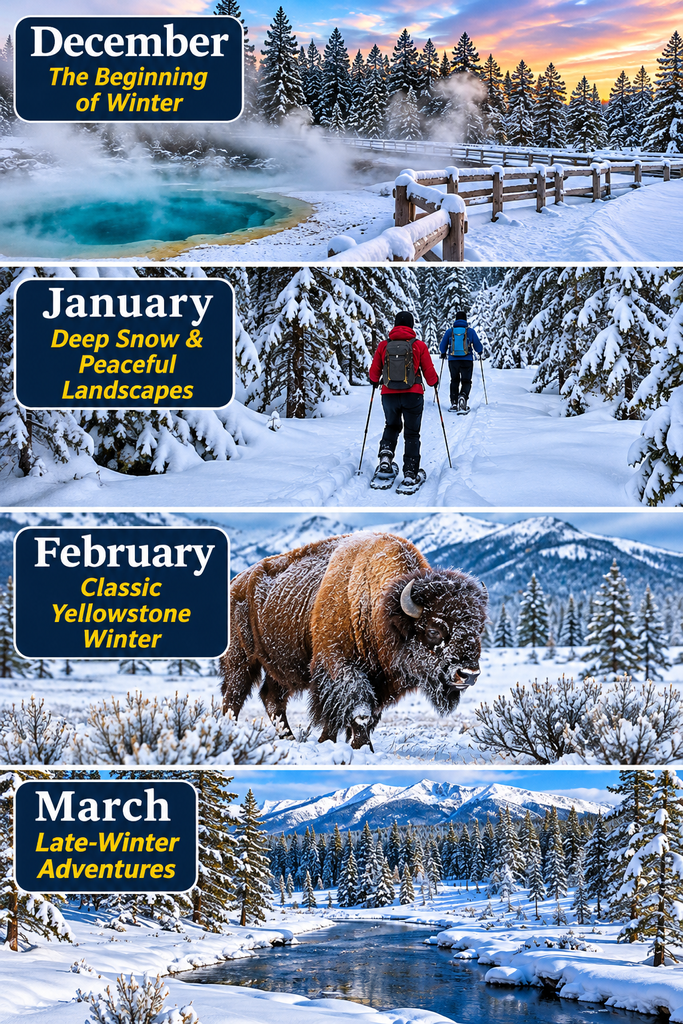
December: The Beginning of Winter
December brings snow-covered forests, beautiful winter scenery, and the start of seasonal oversnow transportation when conditions permit.
However, early-season snow depth may be inconsistent.
Some trails may not yet have sufficient snow for enjoyable skiing.
January: Deep Snow & Peaceful Landscapes
January often provides excellent winter scenery and an established snowpack.
Expect very cold temperatures, shorter daylight hours, and the possibility of severe weather.
Well-prepared visitors can enjoy beautiful skiing and snowshoeing conditions.
February: Classic Yellowstone Winter
February frequently offers substantial snow coverage and dramatic winter landscapes.
It can be a particularly rewarding month for winter photography, wildlife watching, and skiing.
Cold temperatures and changing trail conditions remain important considerations.
March: Late-Winter Adventures
Early March may still provide good skiing and snowshoeing opportunities.
However, snow quality can change as temperatures fluctuate, and some winter transportation services begin closing for the season.
Always verify operating dates before arranging your trip.
Best overall planning window: January and February often offer the most dependable midwinter snow conditions, although no month guarantees safe or suitable trails.
🎒 Essential Gear for Yellowstone Winter Trails
Proper equipment is one of the most important parts of preparing for a Yellowstone winter adventure.
Temperatures can fall well below freezing, and strong winds can make conditions feel even colder.
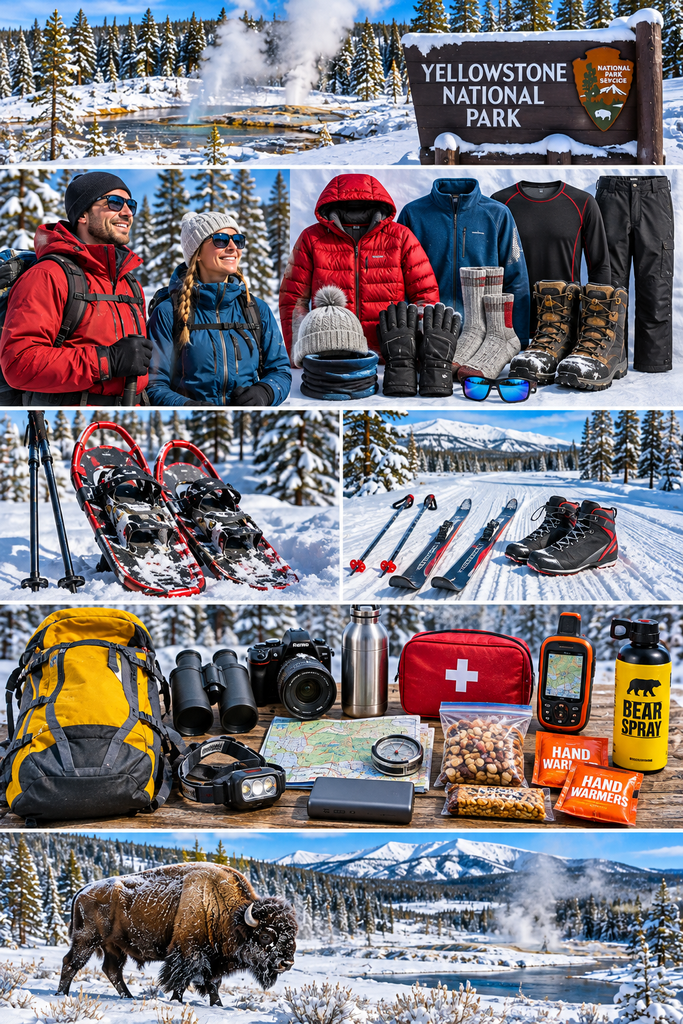
Clothing Essentials
- Moisture-wicking thermal base layers
- Warm fleece or insulated midlayers
- Windproof and waterproof outer jacket
- Insulated winter pants
- Warm wool or synthetic socks
- Waterproof insulated winter boots
- Winter gloves or mittens
- Warm hat and neck gaiter
- Sunglasses or protective goggles
Avoid cotton clothing, which retains moisture and can increase the risk of becoming chilled.
Snowshoeing Equipment
- Snowshoes suited to your weight and expected snow conditions
- Trekking poles with snow baskets
- Waterproof winter footwear
- Small daypack
- Navigation equipment
Cross-Country Skiing Equipment
- Properly fitted cross-country skis
- Compatible ski boots and bindings
- Ski poles
- Suitable equipment for groomed or ungroomed terrain
- Repair supplies for longer outings
Emergency & Photography Gear
- Insulated water bottles
- High-energy snacks
- First-aid kit
- Headlamp with spare batteries
- Offline maps and compass
- Emergency insulation or shelter
- Hand warmers
- Fully charged phone and backup power
- Binoculars and camera
- Bear spray and knowledge of its proper use
Backcountry travelers may need additional avalanche safety equipment and training, depending on their route.
Do not rely on cellular service, which is limited in much of Yellowstone.
⚠️ Yellowstone Winter Trail Safety Tips
Yellowstone is beautiful in winter, but it is also a remote wilderness with serious hazards.
Check Weather and Trail Conditions
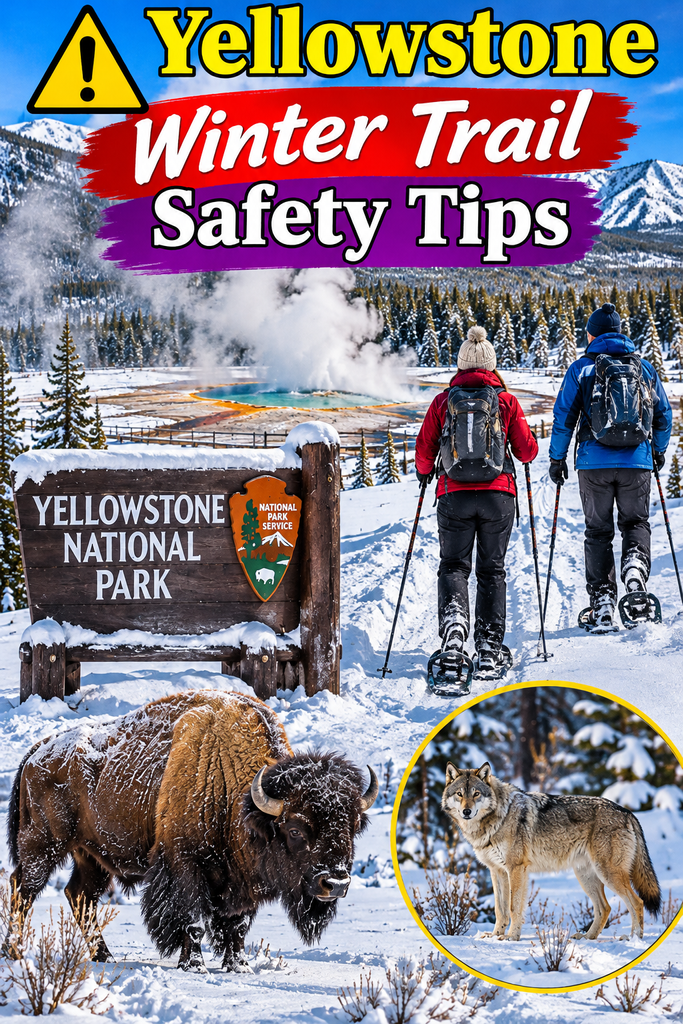
Winter storms can arrive quickly, reducing visibility and making travel difficult.
Check forecasts and current park conditions before leaving your accommodation.
Avoid Geothermal Hazards
Snow may conceal dangerously thin ground around hot springs and geothermal features.
Stay on designated trails and boardwalks in thermal areas.
Never walk across snow-covered ground simply because it appears solid.
Keep a Safe Distance From Wildlife
Maintain at least 100 yards from wolves and bears and at least 25 yards from bison, elk, moose, and other wildlife.
If an animal changes its behavior because of your presence, you are too close.
Watch for Avalanches
Some winter routes pass near avalanche-prone terrain.
Avoid these areas unless you have the necessary knowledge, equipment, and experience.
Respect Ski Tracks
Snowshoers should avoid stepping directly into established cross-country ski tracks.
Walk alongside the tracks when appropriate and yield to downhill skiers.
Travel Within Your Abilities
Deep snow, high elevation, and cold weather can make even short distances exhausting.
Choose realistic routes, allow extra time, and turn back before conditions become dangerous.
Tell someone your planned route and expected return time.
🚗 How to Reach Yellowstone’s Winter Snowshoeing & Skiing Areas
Winter access to Yellowstone differs significantly from summer travel.
Most interior roads close to ordinary passenger vehicles, so choosing the right entrance and transportation arrangements is essential.
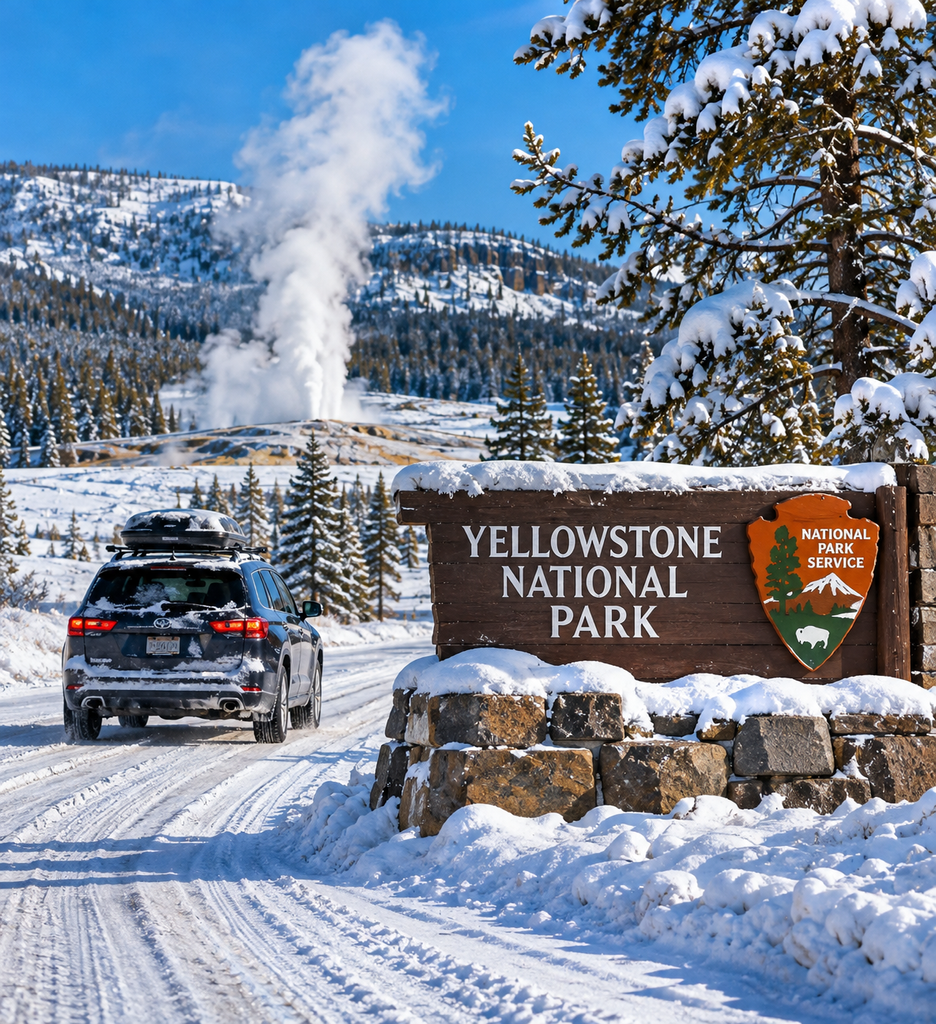
North Entrance – Gardiner, Montana
Gardiner provides access to Yellowstone’s North Entrance and Mammoth Hot Springs.
The road connecting the North and Northeast entrances is generally open to regular vehicles year-round, weather permitting.
This makes Gardiner a practical base for visitors interested in the Mammoth, Tower, and northeastern winter trail regions.
West Yellowstone, Montana
West Yellowstone is an important winter recreation community with accommodations, ski-related services, and access to surrounding Nordic trail systems.
Travel into Yellowstone’s interior during winter requires authorized oversnow transportation.
Visitors planning to reach Old Faithful should arrange transportation in advance.
South Entrance – Jackson, Wyoming
Jackson provides access to winter recreation in the greater Grand Teton and Yellowstone region.
However, Yellowstone’s South Entrance is not open to ordinary vehicle travel during the main winter season.
Reaching interior destinations requires suitable authorized transportation and advance planning.
Important Winter Access Reminder
For the 2026–2027 winter season, Yellowstone lists December 15, 2026, as the planned opening date for many oversnow routes, with closing dates varying by road in March 2027.
All dates are subject to weather and operational changes.
Check the National Park Service’s current road information before traveling.
🏨 Where to Stay Near Yellowstone Winter Trails
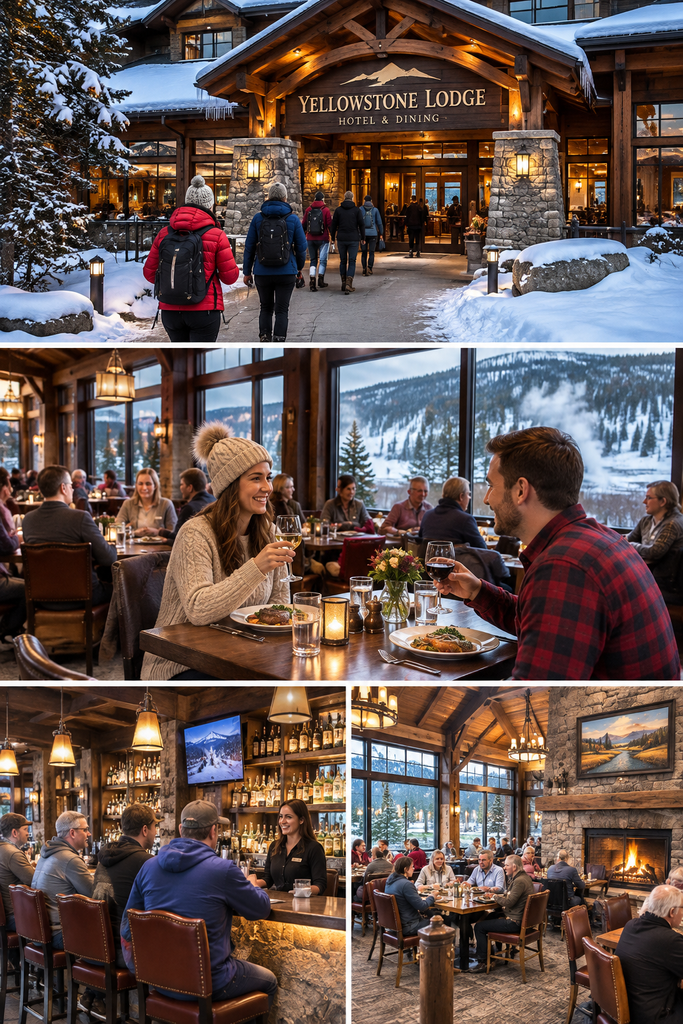
Choosing comfortable accommodations makes winter exploration more enjoyable.
After spending several hours snowshoeing or skiing in cold temperatures, returning to a warm lodge or hotel can be especially rewarding.
Gardiner, Montana – Convenient Northern Access
Gardiner is a practical choice for visitors focusing on Mammoth Hot Springs and northern Yellowstone.
Accommodation options may include hotels, cabins, and vacation rentals.
Its location near the North Entrance allows visitors to reach accessible northern park areas without arranging an interior snowcoach transfer.
West Yellowstone, Montana – Winter Recreation Base
West Yellowstone is popular with travelers interested in Nordic skiing, snowmobile tours, and winter sightseeing.
The community offers a selection of hotels, lodges, cabins, and dining options.
It is a useful base for visitors who want to combine outdoor recreation with arranged trips into Yellowstone’s interior.
Mammoth Hot Springs – Stay Inside Yellowstone
Mammoth Hot Springs Hotel is one of Yellowstone’s established winter lodging options.
Staying in the park can provide convenient access to nearby winter scenery and activities.
Availability, opening dates, and services should be confirmed directly with the park’s authorized lodging operator.
Old Faithful Snow Lodge – Winter Geothermal Adventures
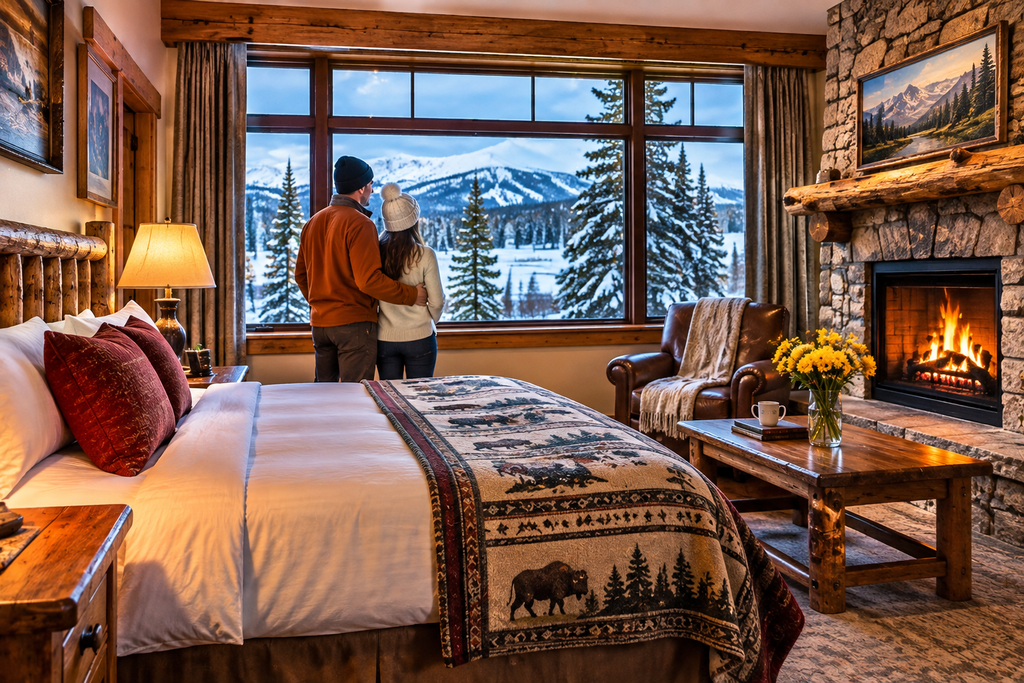
Old Faithful Snow Lodge offers a distinctive opportunity to stay in Yellowstone’s interior during the winter season.
Visitors may enjoy the extraordinary experience of seeing geothermal steam rise above snowy forests.
Access requires advance transportation arrangements, and reservations can fill quickly.
Jackson, Wyoming – Mountain Resort Atmosphere
Jackson offers a wider selection of lodging, dining, and winter activities in the greater Yellowstone region.
It can be a good choice for visitors combining Yellowstone sightseeing with Grand Teton winter recreation.
However, Jackson is not a convenient regular-vehicle base for daily trips to Yellowstone’s northern trails during winter.
🏨 Book Your Yellowstone Winter Adventure Stay
Planning a snowshoeing or cross-country skiing getaway?
Explore comfortable hotels, rustic cabins, cozy lodges, and winter vacation accommodations near Yellowstone National Park.
Whether you prefer the convenient northern access of Gardiner, the winter recreation atmosphere of West Yellowstone, or a memorable stay inside the park, choosing the right accommodation can make your adventure more enjoyable.
Find Yellowstone-area hotels, cabins, and winter lodging through our Expedia travel collection.
Affiliate disclosure: Some accommodation links may be affiliate links. If you book through these links, we may earn a commission at no additional cost to you.
🗺️ Three-Day Yellowstone Snowshoeing & Cross-Country Skiing Itinerary
A three-day itinerary gives visitors time to enjoy snowy trails, wildlife, and spectacular winter landscapes without rushing.
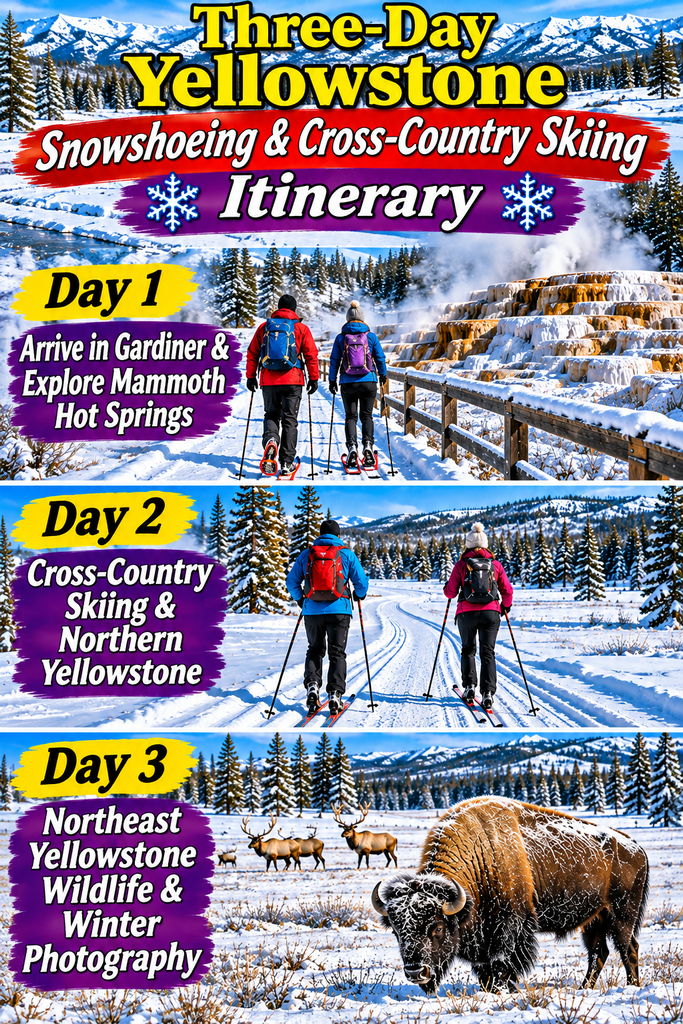
This suggested route focuses on northern Yellowstone and nearby accessible areas. It does not require a visit to Old Faithful.
Day 1 – Arrive in Gardiner & Explore Mammoth Hot Springs
Arrive in Gardiner, Montana, and settle into your accommodation.
Depending on your arrival time and conditions, visit the Mammoth Hot Springs area to enjoy the beautiful winter scenery.
Choose a short established snowshoe route appropriate for your abilities.
Spend time photographing snowy trees, historic surroundings, and distant geothermal steam.
Return to Gardiner for dinner and a relaxing evening.
Day 2 – Cross-Country Skiing & Northern Yellowstone
After breakfast, head toward a suitable Mammoth or northern Yellowstone ski trail.
Enjoy a morning of cross-country skiing through snowy forests and open landscapes.
Pack a warm lunch, snacks, and insulated drinks.
In the afternoon, explore additional accessible scenery along the northern road, watching for wildlife from designated safe locations.
Return to your accommodation before dark.
Day 3 – Northeast Yellowstone Wildlife & Winter Photography
Spend your final day exploring the scenic northern corridor toward Tower Junction or Lamar Valley.
Choose a suitable established winter trail if snow conditions, weather, and your experience allow.
Otherwise, enjoy wildlife observation and landscape photography from approved roadside pullouts.
Watch for bison, elk, coyotes, and distant wolves while enjoying the beautiful mountain scenery.
Finish your trip with memorable photographs and a greater appreciation for Yellowstone’s winter wilderness.
Optional alternative: Visitors staying in West Yellowstone can substitute nearby developed Nordic skiing trails for some northern Yellowstone activities. An Old Faithful visit requires a separately planned oversnow excursion.
❓ Frequently Asked Questions About Yellowstone Winter Snowshoeing & Skiing
Can beginners go snowshoeing in Yellowstone?
Yes. Beginners can enjoy appropriate established routes, especially with a knowledgeable guide. Start with shorter outings and avoid difficult backcountry terrain.
Is cross-country skiing allowed in Yellowstone National Park?
Yes. Cross-country skiing is a popular winter activity on suitable trails and unplowed routes. Restrictions apply in certain areas, including groomed roads used by snowmobiles and snowcoaches.
Do I need a guide for snowshoeing?
Not for every designated route. However, a guide can be particularly helpful for first-time visitors and anyone unfamiliar with Yellowstone’s winter conditions.
What is the best month for cross-country skiing?
January and February often provide established winter snowpack, although actual conditions vary by location and year.
Can I drive to Old Faithful in winter?
Not in an ordinary passenger vehicle during the main winter season. Visitors generally need authorized snowcoach or snowmobile transportation.
Are there groomed cross-country ski trails?
Yes, but only a limited number of trails within Yellowstone are groomed. Developed Nordic ski areas near West Yellowstone offer additional options.
Can I see wildlife while snowshoeing?
Wildlife sightings are possible, but never guaranteed. Bison, elk, coyotes, birds, and other animals inhabit Yellowstone in winter. Maintain required distances and never pursue animals.
Is snowshoeing safe near Yellowstone’s geysers?
Only on designated, open routes and boardwalks. Snow can hide dangerous thermal ground, making off-trail travel extremely hazardous.
Do I need special winter clothing?
Yes. Insulated layers, waterproof outerwear, warm gloves, proper footwear, and emergency supplies are essential for Yellowstone’s cold winter conditions.
How many days should I spend in Yellowstone during winter?
Three days is a useful starting point for exploring one region. A longer visit provides additional flexibility for winter weather, skiing, wildlife watching, and guided excursions.
🏞️ Explore Our Yellowstone National Park Adventure Hub
Discover Yellowstone’s breathtaking geysers, wildlife, waterfalls, scenic lakes, camping destinations, and year-round outdoor adventures.
🏔️ Explore Our Complete Yellowstone National Park Adventure Hub
❄️ Final Thoughts: Experience Yellowstone’s Peaceful Winter Wilderness
Yellowstone Snowshoeing & Cross-Country Skiing Adventures offer an unforgettable way to experience the national park beyond its famous summer attractions.
From the snowy forests of Mammoth Hot Springs to the wide-open landscapes of northeastern Yellowstone and the steaming geothermal scenery near Old Faithful, winter reveals a quieter and more intimate side of this extraordinary destination.
Whether you’re exploring your first snowshoe trail, gliding through a peaceful forest on cross-country skis, or photographing wildlife against a snowy mountain backdrop, Yellowstone offers experiences that can remain with you long after your vacation ends.
Prepare carefully, respect wildlife, follow designated trails, and embrace the beauty of one of America’s greatest winter wilderness destinations.
Your next Yellowstone winter adventure is waiting!
Thank you for visiting MyCampingVacationSites! I hope this guide helps you plan an unforgettable outdoor adventure. If you enjoyed this article, feel free to leave a comment below and explore more travel guides, hiking destinations, camping adventures, and outdoor experiences throughout the site. Have a wonderful vacation wherever your next journey takes you!
— Jeffrey
Leave a Reply