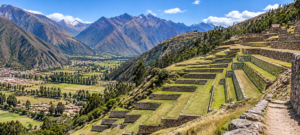
High above Peru’s Sacred Valley, Pisac combines spectacular Inca ruins, mountainside terraces, Andean scenery, traditional culture, and one of the valley’s best-known markets. It makes an excellent companion to Machu Picchu and Ollantaytambo because it shows another side of the Inca world—one where archaeological sites, agricultural engineering, mountain trails, and a living Andean town come together.
Thank you for reading this post, don't forget to subscribe!Whether you come for the ruins, photography, hiking, local crafts, or simply the sweeping views across the Sacred Valley, Pisac can easily become one of the highlights of a Peru adventure.
🏔️ Why Visit Pisac?
Pisac offers much more than a quick stop between Cusco and the Sacred Valley. The archaeological complex stretches across a dramatic mountainside above the modern town, with terraces, stone structures, ceremonial areas, pathways, and viewpoints overlooking the valley.
Down below, Pisac town provides a completely different experience. Streets and plazas fill with shops and market stalls selling colorful textiles, handicrafts, jewelry, artwork, souvenirs, and other locally made goods.
Together, the ruins and town make Pisac a destination where you can combine history, scenery, hiking, culture, shopping, food, and photography in a single visit.
🏛️ Explore the Pisac Archaeological Site
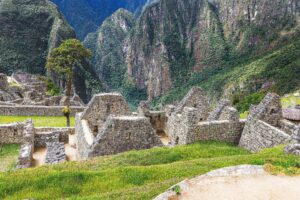
The Pisac Archaeological Park is one of the Sacred Valley’s major Inca sites. Rather than consisting of one compact group of ruins, structures are distributed across the mountain, connected by trails and surrounded by extensive agricultural terraces.
As you explore, watch for:
- Inca stonework and building foundations
- Ceremonial and religious structures
- Agricultural terraces
- Mountain pathways and stairways
- Ancient residential areas
- Defensive-looking positions and high viewpoints
- Sweeping views across the Sacred Valley
The elevated location is part of what makes Pisac so memorable. Looking across the terraces toward the surrounding mountains gives you a sense of how dramatically the Inca adapted settlements and agriculture to the Andean landscape.
🌿 The Incredible Agricultural Terraces
Pisac’s enormous terraces are among its most striking features.
The curved terraces descend along the mountainsides in broad green steps, transforming steep terrain into usable agricultural land. They also demonstrate the sophisticated way Andean communities managed difficult mountain environments.
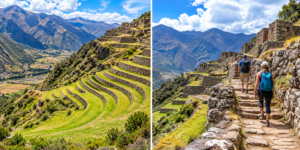
From higher viewpoints, the terraces create some of the most recognizable scenery around Pisac. Their patterns are especially impressive when seen against the valley and mountains beyond.
For photographers, these wide views are worth taking your time with rather than simply rushing toward the archaeological structures.
🥾 Hiking Through the Ruins
Pisac is particularly rewarding for travelers who enjoy exploring archaeological sites on foot.
Trails connect different sectors of the ruins, passing terraces, stone structures, viewpoints, and steep mountain scenery. Depending on your itinerary and access arrangements, you can spend considerably longer exploring than visitors who stop only at the principal viewpoints.
Wear sturdy footwear and be prepared for uneven stone surfaces, steps, elevation, and strong Andean sunshine.
Take your time. The altitude can make an otherwise moderate walk feel more demanding, particularly if you’ve only recently arrived in the Cusco region.
🦙 Wildlife & Andean Scenery
The mountains surrounding Pisac add a natural-adventure element to the archaeological experience.
Depending on where you travel within the Sacred Valley, you may encounter llamas, alpacas, Andean birds and other highland wildlife, while the combination of mountains, agricultural fields, river valleys, and changing cloud cover provides constantly changing scenery.
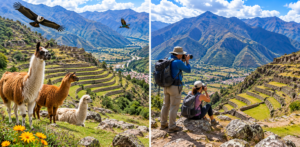
Even without a wildlife sighting, Pisac’s landscape is a major part of the experience. Wide-angle photographs can capture the relationship between the ruins, terraces, valley, and enormous Andean mountains surrounding them.
📸 Photography at Pisac
Pisac offers excellent opportunities for both landscape and travel photography.
Some of the strongest subjects include the terraces sweeping across the mountainside, Inca stonework, narrow pathways, valley panoramas, colorful market displays, Andean textiles, and surrounding mountain scenery.
Morning and later-afternoon light can bring additional texture to the terraces and mountains. A camera or smartphone with a wide-angle option is particularly useful for capturing the scale of the landscape.
If you’re carrying camera equipment on the trails, a lightweight backpack and weather-resistant protection can make exploring considerably easier.
🛍️ Explore Pisac Market
After exploring the mountain ruins, head into Pisac town for a completely different atmosphere.
Pisac is famous for its market, where visitors can browse colorful displays of textiles, clothing, jewelry, ceramics, artwork, souvenirs, decorative items, and traditional Andean crafts.
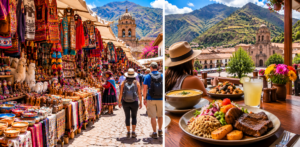
The market provides a good opportunity to slow down after hiking the ruins. Wander through the stalls, explore the surrounding streets and plaza, stop for something to eat, and experience the modern community beneath the archaeological site.
Rather than treating the market and ruins as separate destinations, combining them creates a fuller Pisac experience—ancient history above and living Andean culture below.
🍽️ Food & Dining in Pisac
Pisac has restaurants, cafés, bakeries, and smaller eateries where you can take a break between exploring the ruins and browsing the town.
Look for opportunities to try Peruvian and Andean cuisine, along with lighter meals and refreshments before continuing through the Sacred Valley.
Pisac can also work well as a lunch stop on a longer Sacred Valley itinerary connecting Cusco, Pisac, Urubamba, Ollantaytambo, and eventually Machu Picchu.
🎒 What to Bring
Conditions can change quickly in the Andes, so prepare for both sunshine and cooler or wetter weather.
Useful items include comfortable hiking footwear, layered clothing, rain protection, sun protection, water, a small daypack, camera or smartphone, portable power bank, and a waterproof bag or cover for electronics.
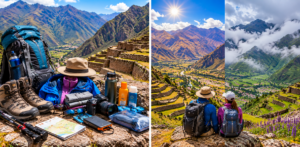
If you’re planning an extended walk through the archaeological complex, prioritize lightweight gear. Carrying unnecessary weight becomes much more noticeable at elevation.
☀️ Best Time to Visit Pisac
Pisac can be visited throughout much of the year, but conditions vary between Peru’s wetter and drier periods.
The drier months generally provide more predictable conditions for hiking and expansive mountain views, while the wetter season can produce greener landscapes, dramatic clouds, and occasional rain.
Regardless of season, mountain weather can change quickly. Bringing layers and rain protection is useful even when the day begins with clear skies.
🚐 Getting to Pisac from Cusco
Pisac lies northeast of Cusco and is commonly visited as part of a Sacred Valley excursion.
Travelers can reach the area through organized tours, private transportation, taxis, or other local transportation options. Many Sacred Valley itineraries combine Pisac with additional destinations before continuing toward Ollantaytambo.
That makes Pisac an excellent addition to a larger journey rather than an isolated excursion.
A natural route through your growing Machu Picchu backbone is:
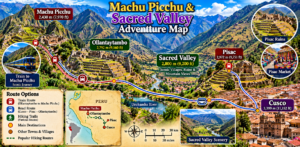
Cusco → Pisac → Sacred Valley → Ollantaytambo → Machu Picchu
🏨 Stay in Pisac & the Sacred Valley
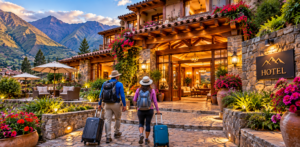
Staying overnight in Pisac or elsewhere in the Sacred Valley gives you more time to explore without trying to fit everything into a single day from Cusco.
Accommodation throughout the valley ranges from small guesthouses and boutique properties to mountain retreats and upscale resorts.
An overnight stay can also make it easier to experience the quieter morning and evening atmosphere after many day visitors have departed.
🏨 Book Your Sacred Valley Stay
Find hotels and accommodations near Pisac and throughout Peru’s Sacred Valley, then use the valley as your base for exploring archaeological sites, markets, hiking trails, mountain scenery, Ollantaytambo, and Machu Picchu.
Affiliate disclosure: I may earn a commission from qualifying bookings made through links on this page, at no additional cost to you.
🗺️ Extend Your Sacred Valley Adventure
Pisac becomes even more valuable when connected with the other destinations in your journey.
Continue toward Ollantaytambo to explore its enormous terraces and Inca stonework, spend additional time discovering villages and scenery throughout the Sacred Valley, or continue by train toward Machu Picchu.

Travelers returning toward Cusco can also explore the city’s Inca and colonial history, museums, markets, restaurants, and surrounding archaeological attractions.
Together, these destinations create a much deeper experience than visiting Machu Picchu alone.
⛰️ Explore Machu Picchu & the Sacred Valley
Continue your journey through the Machu Picchu & Sacred Valley Adventure Hub, where you can discover more ancient ruins, hiking adventures, wildlife, mountain scenery, accommodations, travel planning, and outdoor experiences throughout this extraordinary region of Peru.
🏛️ Continue Exploring
👉 Machu Picchu Citadel: Complete Adventure & Visitor Guide
👉 Ollantaytambo Ruins & Sacred Valley Adventure Guide
👉 Machu Picchu & Sacred Valley Adventure Hub
🌄 Final Thoughts
Pisac brings together nearly everything that makes Peru’s Sacred Valley extraordinary. Ancient Inca ruins rise above enormous agricultural terraces, trails cross dramatic mountainsides, the valley stretches into the distance, and the colorful town and market add a living cultural dimension below.
Pairing Pisac with Ollantaytambo and Machu Picchu also strengthens the journey considerably. Instead of experiencing Machu Picchu as a single isolated attraction, visitors begin to see a much larger landscape of Inca settlements, engineering, agriculture, culture, and mountain travel.
For hikers, photographers, history enthusiasts, outdoor travelers, and anyone building a deeper Sacred Valley itinerary, Pisac deserves a place on the route.

Hiking Footwear for Machu Picchu Adventures
Exploring Machu Picchu involves stone pathways, ancient stairways, slopes, and uneven surfaces, making comfortable footwear an important part of your trip.
A lightweight hiking shoe or supportive trail shoe with reliable traction can work well for exploring the citadel, while travelers extending their adventure into the Sacred Valley, surrounding mountain trails, or longer hiking routes may prefer more supportive hiking footwear.
Whether you’re preparing for Machu Picchu itself or a larger Peru hiking adventure, explore our complete footwear guide for hiking boots, trail shoes, sandals, and other outdoor options.
 Ultimate Hiking Footwear Guide: 50 Best Hiking Boots, Sandals & Sneakers for Every Adventure
As an Amazon Associate, I earn from qualifying purchases. This website may contain affiliate links, and we may earn a small commission from qualifying purchases at no extra cost to you.

 Explore the Machu Picchu & Sacred Valley Adventure Hub
 Explore the Machu Picchu & Sacred Valley Adventure Hub
Want to experience more than the famous citadel?
Continue your journey through the Machu Picchu & Sacred Valley Adventure Hub, where you can discover more of this spectacular region through ancient Inca sites, mountain scenery, hiking adventures, cultural experiences, unique accommodations, wildlife, photography, and nearby destinations.
Explore connections to Machu Picchu, the Sacred Valley, Cusco, mountain trails, Inca history, outdoor adventures, hotels, and travel planning as this growing collection brings the region together in one place.
Explore the Machu Picchu & Sacred Valley Adventure Hub
Thank you for visiting MyCampingVacationSites! I hope this guide helps you plan an unforgettable outdoor adventure. If you enjoyed this article, feel free to leave a comment below and explore more travel guides, hiking destinations, camping adventures, and outdoor experiences throughout the site. Have a wonderful vacation wherever your next journey takes you!
— Jeffrey
 Explore More Hubs
 Water Adventure Gear
50 Must-Have Water Adventure Items (Complete Gear Guide) Ultimate Jet Ski Gear & Accessories Guide  (Top Picks for Speed & Fun) Best River Rafts & Floating Docks
  (Rafting & Floating Essentials)
 Camping & Tent Gear
Tents: Best Tents for Camping & Outdoor Adventures (Top-Rated Picks) Ultimate Glamping Gear: 50 Must-Have Tents & Adventure Essentials  (Luxury Setup Guide)
 RV & Camper Gear
RV Adventure Gear: Must-Have Essentials for Road Trips & Camping (Full Travel Setup) Ultimate Interior RV & Camper Gear Guide  (Comfort & Living Upgrades)
Leave a Reply