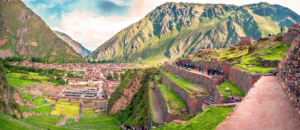
High in Peru’s spectacular Sacred Valley, Ollantaytambo combines enormous Inca stonework, mountain scenery, ancient agricultural terraces, traditional streets, hiking opportunities, and easy access to some of the region’s most memorable adventures.
Thank you for reading this post, don't forget to subscribe!For many travelers, Ollantaytambo is known as an important stop on the journey toward Machu Picchu. But this historic Andean town deserves much more than a quick visit before boarding a train.
Towering ruins rise directly above the valley. Massive stone terraces climb the mountainside. Narrow streets preserve elements of the original Inca town plan, while rushing water flows through centuries-old channels beside stone buildings.
Whether you’re exploring Peru for ancient history, hiking, photography, culture, or spectacular mountain scenery, Ollantaytambo can become one of the highlights of a Sacred Valley adventure.
🏛️ Explore the Ollantaytambo Archaeological Site
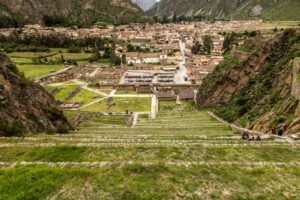
The massive archaeological complex overlooking town is the centerpiece of a visit to Ollantaytambo.
Visitors climb a long series of stone terraces toward the upper portions of the site, where impressive walls and enormous carved stones demonstrate the sophistication of Inca construction.
One of the best-known areas is the Temple of the Sun, where huge stone blocks were precisely shaped and positioned high above the valley.
The unfinished nature of portions of the complex also makes Ollantaytambo fascinating. It provides clues to the enormous amount of planning, transportation, engineering, and labor involved in monumental Inca construction.
Take your time while climbing. The increasing elevation provides progressively wider views across the town, surrounding farmland, and rugged Andean mountains.
🪨 Discover Incredible Inca Stonework
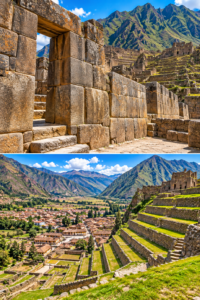
The size of the stones at Ollantaytambo is one of the site’s most striking features.
Some enormous blocks were transported from quarry areas across the valley and moved uphill before being carefully positioned within the complex.
Look closely at the walls and you’ll find precisely fitted stone surfaces, carved edges, niches, stairways, terraces, and channels.
These details make Ollantaytambo particularly rewarding for travelers interested in archaeology and ancient engineering.
Rather than rushing through the ruins, spend some time examining the construction from different angles. Wide photographs capture the scale of the site, while close-up photography can reveal the craftsmanship of individual stones.
🌄 Climb the Terraces for Spectacular Sacred Valley Views
The climb through Ollantaytambo’s terraces is an adventure of its own.
As you ascend, the town becomes smaller below while mountains dominate the horizon.
The terraces once helped manage agriculture, drainage, erosion, and the challenging terrain. Today, they also create one of the most recognizable landscapes in the Sacred Valley.
Morning and late-afternoon light can make the surrounding mountains particularly dramatic.
Bring water, wear comfortable footwear, and climb at a comfortable pace. Ollantaytambo sits at high elevation, so visitors arriving from lower elevations may notice the thinner air.
🥾 Hiking Adventures Around Ollantaytambo
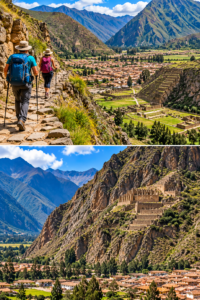
Ollantaytambo is much more than an archaeological stop.
The surrounding mountains contain trails, viewpoints, ancient sites, rural communities, and routes leading deeper into the Sacred Valley.
Hiking opportunities range from relatively short explorations around town to challenging mountain adventures.
One fascinating option is exploring trails toward elevated archaeological remains and viewpoints on the mountainsides surrounding Ollantaytambo.
Longer excursions can take travelers toward remote valleys, archaeological sites, and traditional Andean landscapes.
Always consider elevation, weather, trail conditions, and your experience before attempting longer routes.
🏔️ Look Across to Pinkuylluna
One of the most noticeable features above Ollantaytambo is Pinkuylluna, where ancient structures appear high on the mountainside opposite the main archaeological complex.
These structures are commonly associated with Inca-era storage facilities.
Their elevated location helped take advantage of cooler conditions and mountain airflow.
For visitors, the mountainside also provides another perspective on the town and the main ruins across the valley.
The steep terrain makes proper footwear especially important.
🏘️ Walk Through the Historic Inca Town
One of Ollantaytambo’s greatest attractions is found below the archaeological complex.
Walk through the old portion of town and you’ll encounter narrow stone streets, traditional buildings, small plazas, flowing water channels, restaurants, shops, and accommodations.
Elements of the Inca street plan remain visible today.
This gives Ollantaytambo a different atmosphere from an archaeological site separated from modern life. Here, ancient infrastructure and a living Andean community occupy the same landscape.
Allow time simply to walk around without rushing from attraction to attraction.
💧 Follow the Ancient Water Channels
Water is an important part of Ollantaytambo’s character.
Channels carry mountain water through portions of the historic town, continuing an engineering tradition stretching back centuries.
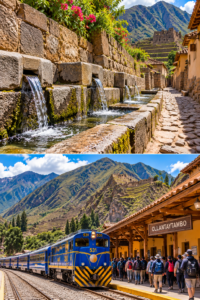
Around the archaeological site, fountains and water-management features demonstrate how carefully water was incorporated into Inca settlements.
These smaller details can easily be overlooked beside the enormous terraces and stone walls, but they reveal another side of Inca engineering.
🚆 Ollantaytambo and the Journey to Machu Picchu
Ollantaytambo is an important transportation point for travelers continuing toward Machu Picchu.
Many visitors travel through the Sacred Valley before boarding a train from Ollantaytambo toward the Machu Picchu area.
Instead of treating the town simply as a transfer point, consider spending additional time here.
An overnight stay can provide more time to explore the ruins, walk through the historic streets, enjoy the mountain scenery, and experience the town after many daytime visitors have departed.
Ollantaytambo can therefore serve as both a major Sacred Valley destination and a natural connection in a larger Machu Picchu adventure.
🚂 Experience the Scenic Train Journey
The train journey from the Ollantaytambo area toward Machu Picchu is part of the adventure.
Mountain scenery, river valleys, steep slopes, and changing vegetation accompany the route as travelers move toward the Machu Picchu region.
Keep your camera accessible rather than packed deep inside your luggage.
Window views can change quickly as the train follows the valley.
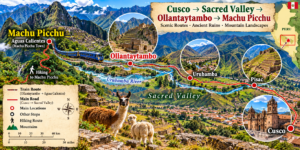
For travelers building a larger Peru itinerary, combining Cusco → Sacred Valley → Ollantaytambo → Machu Picchu creates a journey in which the landscape and history develop gradually instead of experiencing Machu Picchu as an isolated destination.
🦙 Wildlife & Andean Landscapes
The Sacred Valley provides opportunities to observe animals and birds associated with the high Andes.
Depending on where you explore, you may encounter llamas, alpacas, hummingbirds, raptors, and other Andean wildlife.
Domestic animals are also an important part of rural landscapes throughout the region.
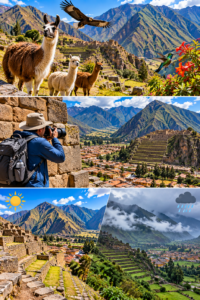
Travelers interested in wildlife photography should carry a camera with useful zoom capability while still keeping equipment light enough for walking and climbing.
Always give animals space and avoid disturbing wildlife for photographs.
📸 Photography at Ollantaytambo
Ollantaytambo offers tremendous variety for photographers.
Possible subjects include:
Ancient stone walls and enormous carved blocks, mountain panoramas, agricultural terraces, historic streets, water channels, traditional architecture, trains, Andean wildlife, local landscapes, and dramatic sunrise or evening light.
Wide-angle views work particularly well from elevated sections of the ruins.
A zoom lens can help capture details on distant mountainsides, while a phone or compact camera may be easier to manage during steep climbs.
Protect electronics from rain and dust, and carry spare power if you’ll be exploring throughout the day.
🌦️ Best Time to Visit Ollantaytambo
Conditions in the Peruvian Andes change considerably throughout the year.
The generally drier months are popular for hiking and outdoor sightseeing because clearer conditions can make exploring archaeological sites and mountain trails easier.
Wetter periods can produce greener landscapes and dramatic clouds, but rain can make stone surfaces and trails slippery.
Regardless of season, mountain weather can change quickly.
Pack layers and prepare for strong sunshine, cool temperatures, wind, and possible rain during the same day.
🎒 What to Bring
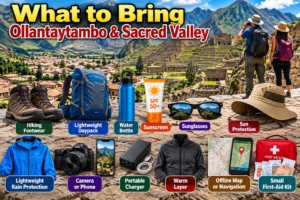
A day exploring Ollantaytambo can involve climbing, uneven stone surfaces, sunshine, changing temperatures, and considerable time outdoors.
Useful items include:
🥾 Comfortable hiking or walking footwear
🎒 Lightweight daypack
💧 Water bottle or hydration system
🧴 Sunscreen
🕶️ Sunglasses
🧢 Sun protection
🌧️ Lightweight rain protection
📷 Camera or phone
🔋 Portable charger
🧥 Warm layer
🧭 Offline map or navigation information
🩹 Small first-aid kit
Pack light enough that climbing terraces and walking steep streets remains comfortable.
🏨 Stay in Ollantaytambo & the Sacred Valley
Staying overnight gives you considerably more time to experience Ollantaytambo beyond the archaeological complex.

Accommodation options throughout the area range from simple guesthouses and locally operated lodging to comfortable hotels and scenic Sacred Valley properties.
A stay near the historic center can make it convenient to explore town on foot, while properties farther into the valley may provide quieter surroundings and expansive mountain views.
👉 Find Hotels & Places to Stay Near Ollantaytambo and the Sacred Valley
Affiliate disclosure: I may earn a commission from qualifying bookings made through links on this page, at no additional cost to you.
🍲 Food & Local Culture
After exploring the ruins, spend some time enjoying the town itself.
Restaurants and cafés provide opportunities to try Peruvian and Andean dishes while resting after a day of climbing and walking.
Markets and small shops can also introduce visitors to local crafts, textiles, foods, and everyday life in the Sacred Valley.
Travel becomes more memorable when ancient sites are experienced alongside the communities that surround them.
🗺️ Build Ollantaytambo Into a Sacred Valley Adventure
Ollantaytambo works especially well as part of a larger Sacred Valley itinerary.
Nearby adventures can include additional archaeological sites, mountain viewpoints, traditional communities, hiking routes, Cusco, and ultimately Machu Picchu.
Rather than racing directly from Cusco to Machu Picchu, slowing the journey down allows you to experience how the geography, culture, and history of the region connect.
A multi-day route could include:
Cusco → Sacred Valley → Ollantaytambo → Machu Picchu
Each stop adds another layer to the adventure.
🌄 Final Thoughts: More Than a Stop on the Way to Machu Picchu
Ollantaytambo deserves to be experienced as a destination in its own right.
Its towering terraces, monumental stonework, historic streets, mountain trails, water channels, Andean scenery, and living community create a remarkable combination of archaeology and outdoor adventure.
For travelers continuing toward Machu Picchu, Ollantaytambo also provides something valuable: context.
Exploring the Sacred Valley before reaching Machu Picchu makes it easier to appreciate the enormous landscape in which the Inca civilization developed.
Take time to climb the terraces. Walk the ancient streets. Look across the valley toward mountainside ruins. Photograph the changing light. Stay overnight if your itinerary allows.
Then continue deeper into the Andes toward one of the world’s most famous archaeological landscapes.
Ollantaytambo isn’t simply the road to Machu Picchu—it is an unforgettable part of the adventure.
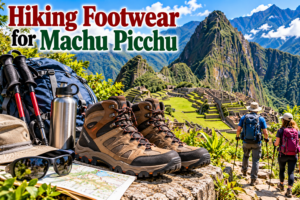
Hiking Footwear for Machu Picchu Adventures
Exploring Machu Picchu involves stone pathways, ancient stairways, slopes, and uneven surfaces, making comfortable footwear an important part of your trip.
A lightweight hiking shoe or supportive trail shoe with reliable traction can work well for exploring the citadel, while travelers extending their adventure into the Sacred Valley, surrounding mountain trails, or longer hiking routes may prefer more supportive hiking footwear.
Whether you’re preparing for Machu Picchu itself or a larger Peru hiking adventure, explore our complete footwear guide for hiking boots, trail shoes, sandals, and other outdoor options.
👉Ultimate Hiking Footwear Guide: 50 Best Hiking Boots, Sandals & Sneakers for Every Adventure
As an Amazon Associate, I earn from qualifying purchases. This website may contain affiliate links, and we may earn a small commission from qualifying purchases at no extra cost to you.
🏔️ Explore the Machu Picchu & Sacred Valley Adventure Hub
Want to experience more than the famous citadel?
Continue your journey through the Machu Picchu & Sacred Valley Adventure Hub, where you can discover more of this spectacular region through ancient Inca sites, mountain scenery, hiking adventures, cultural experiences, unique accommodations, wildlife, photography, and nearby destinations.
Explore connections to Machu Picchu, the Sacred Valley, Cusco, mountain trails, Inca history, outdoor adventures, hotels, and travel planning as this growing collection brings the region together in one place.
👉 Explore the Machu Picchu & Sacred Valley Adventure Hub
Thank you for visiting MyCampingVacationSites! I hope this guide helps you plan an unforgettable outdoor adventure. If you enjoyed this article, feel free to leave a comment below and explore more travel guides, hiking destinations, camping adventures, and outdoor experiences throughout the site. Have a wonderful vacation wherever your next journey takes you!
— Jeffrey
 Explore More Hubs
 Water Adventure Gear
 50 Must-Have Water Adventure Items (Complete Gear Guide) Ultimate Jet Ski Gear & Accessories Guide
  (Top Picks for Speed & Fun) Best River Rafts & Floating Docks
  (Rafting & Floating Essentials)
 Camping & Tent Gear
Tents: Best Tents for Camping & Outdoor Adventures (Top-Rated Picks) Ultimate Glamping Gear: 50 Must-Have Tents & Adventure Essentials  (Luxury Setup Guide)
 RV & Camper Gear
RV Adventure Gear: Must-Have Essentials for Road Trips & Camping (Full Travel Setup) Ultimate Interior RV & Camper Gear Guide  (Comfort & Living Upgrades)
👉Explore the Machu Picchu & Sacred Valley Adventure Hub
Leave a Reply