High in the Peruvian Andes, where towering mountains disappear into drifting clouds and lush green forests blanket steep valleys, lies one of South America’s most extraordinary natural environments: the Machu Picchu cloud forest.
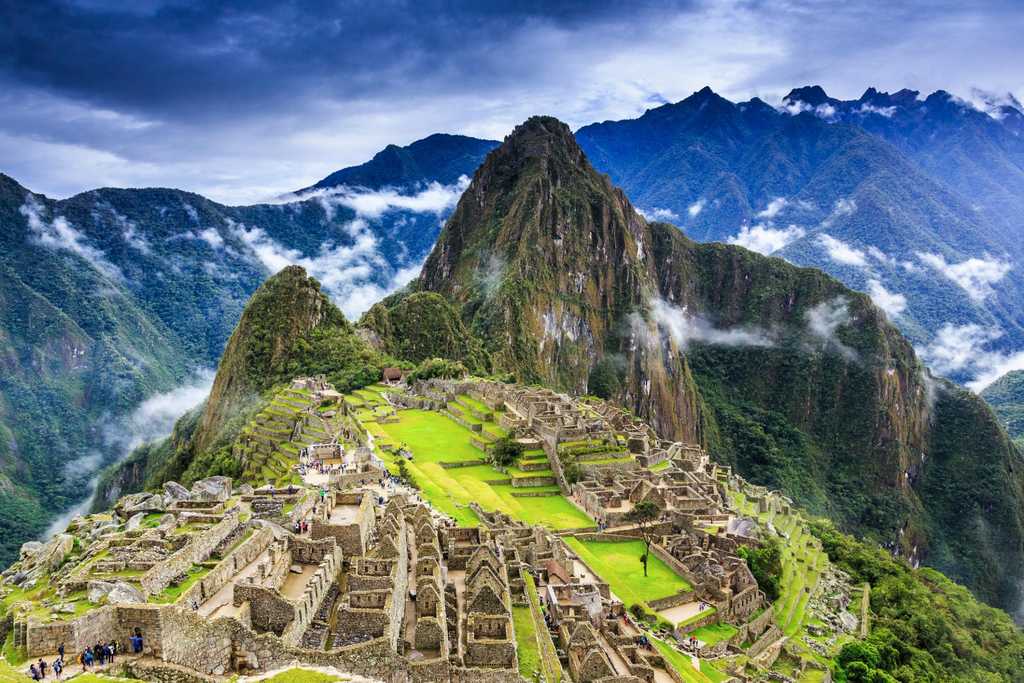
While millions of travelers dream of exploring the famous Inca ruins, the surrounding forests offer an entirely different adventure. Hidden waterfalls tumble through mountain valleys, colorful birds move among moss-covered branches, and ancient Inca pathways wind through a landscape filled with orchids, ferns, and tropical vegetation.
The Historic Sanctuary of Machu Picchu protects not only archaeological treasures but also remarkable biodiversity, where the tropical Andes meet the eastern slopes of the mountains.
For travelers who love hiking, wildlife photography, waterfalls, and peaceful natural surroundings, this region offers far more than a visit to the famous citadel.
Whether you’re staying in Aguas Calientes, traveling through the Sacred Valley, or planning a multi-day Peru adventure, the cloud forests surrounding Machu Picchu deserve a place on your itinerary.
🌿 Discover the Magical Cloud Forest of Machu Picchu
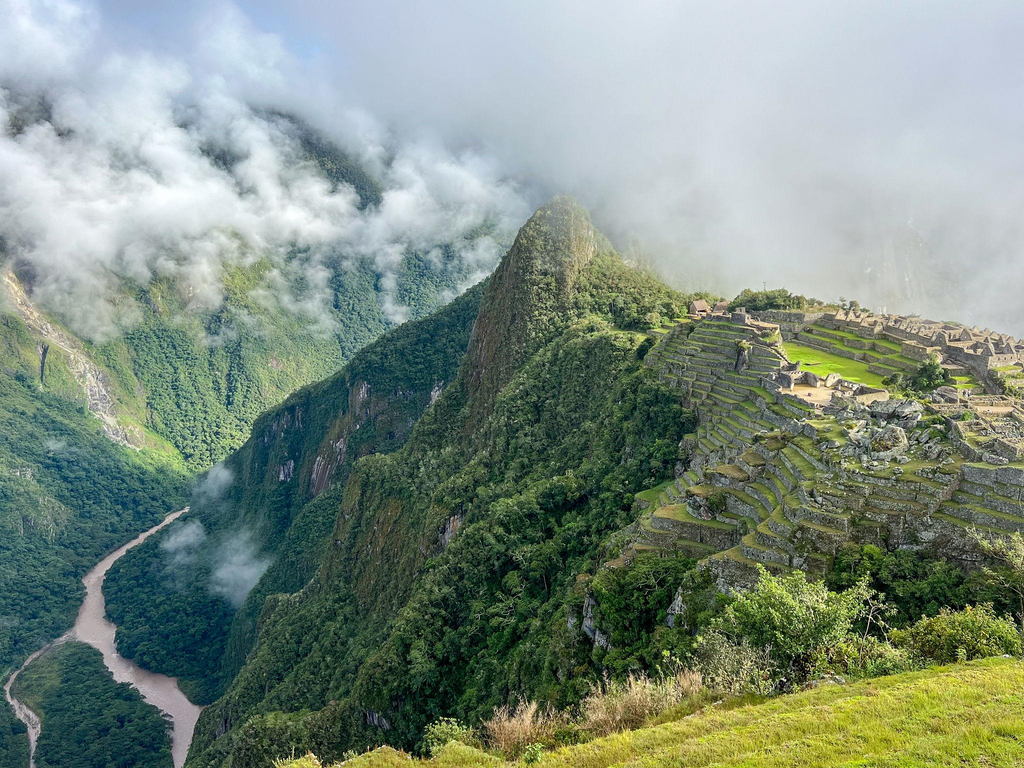
The cloud forest surrounding Machu Picchu is part of the tropical Andean ecosystem, where moisture-filled air rises from the Amazon Basin and meets the mountain slopes.
Frequent mist, abundant rainfall, and mild temperatures support a lush environment filled with mosses, orchids, bromeliads, towering trees, and dense green vegetation.
Unlike the drier landscapes around Cusco, the Machu Picchu region feels almost tropical.
As you travel toward Aguas Calientes, the mountains become greener, the valleys narrower, and the Urubamba River flows through increasingly dramatic scenery.
What makes this ecosystem special?
- Mountain forests frequently surrounded by drifting clouds
- Exceptional plant diversity, including native orchids
- Habitat for the Andean cock-of-the-rock and numerous hummingbirds
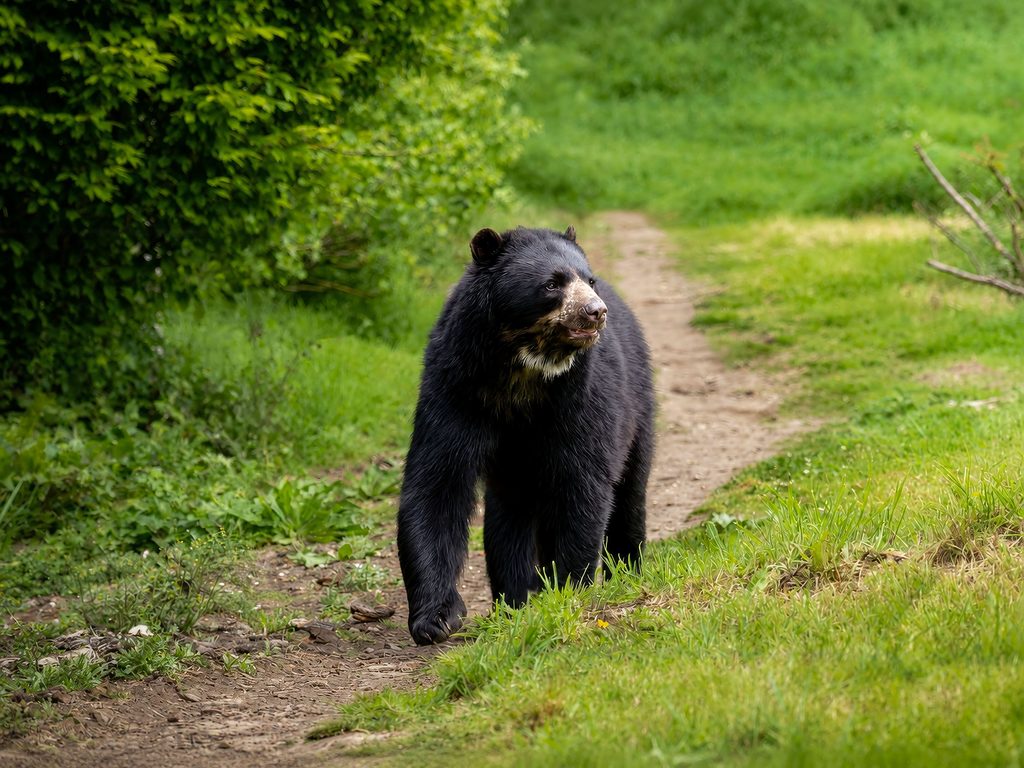
- Forest environments supporting the spectacled bear
- Cascading streams and hidden waterfalls
- Historic Inca trails connecting mountain and forest landscapes
- Spectacular scenery for photographers and nature enthusiasts
The combination of archaeological history and natural beauty makes Machu Picchu one of Peru’s most memorable outdoor destinations.
💦 Mandor Waterfalls: A Hidden Nature Escape Near Aguas Calientes
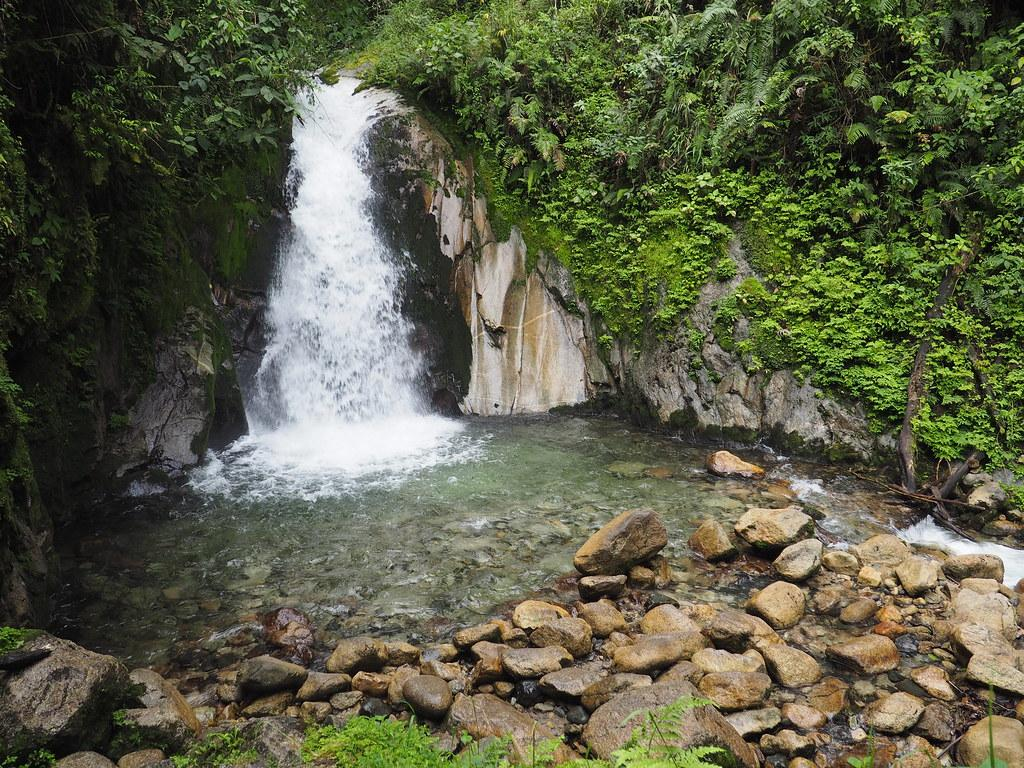
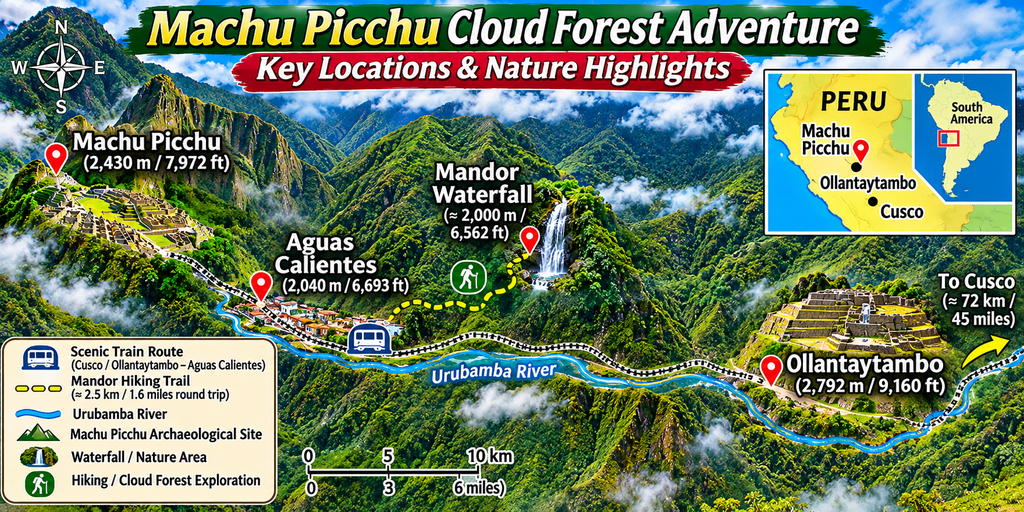
One of the best-known nature excursions near Machu Picchu is a visit to Mandor Waterfall, often called Catarata de Mandor.
Located along the railway corridor outside Aguas Calientes, the Mandor area offers a peaceful alternative to the busy archaeological sanctuary.
The journey passes through green valleys, tropical vegetation, and beautiful mountain scenery.
What to Expect at Mandor Waterfall
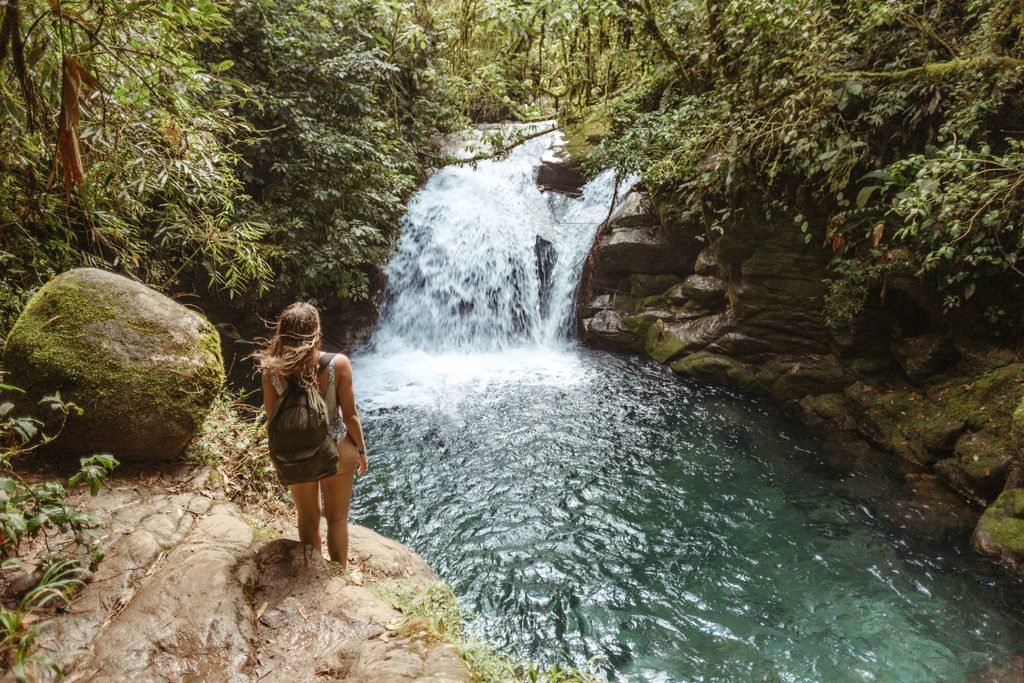
The trail leads through a privately managed garden and forest area toward a picturesque waterfall surrounded by vegetation.
Along the way, visitors may encounter butterflies, colorful birds, flowering plants, and streams flowing through the valley.
The waterfall itself creates a refreshing atmosphere, with cascading water framed by forest greenery.
Highlights include:
- A scenic walk through cloud forest vegetation
- A beautiful waterfall photography location
- Opportunities to observe birds and butterflies
- Tropical gardens and native plants
- A quieter outdoor experience away from the main tourist crowds
Hiking to Mandor Waterfall
The walk from Aguas Calientes commonly takes approximately 1.5–2 hours each way, depending on your pace and the exact starting point.
The route follows the railway corridor before reaching the Mandor entrance. Railway tracks and operating rail corridors can be hazardous, so use only permitted pedestrian routes and follow current local guidance.
The garden may charge an entrance fee, and access conditions can change.
Bring comfortable walking shoes, drinking water, rain protection, and a camera.
For travelers with an extra day in Aguas Calientes, Mandor is a rewarding nature excursion.
🦋 Butterflies, Orchids & Tropical Plants

The forests surrounding Machu Picchu are especially fascinating for travelers interested in plants, butterflies, and the smaller wonders of nature.
The humid environment supports an impressive variety of orchids, mosses, ferns, and flowering plants.
Orchids of Machu Picchu
Orchids are among the region’s most beautiful botanical attractions.
Some grow on tree branches, while others appear along shaded forest trails and moist slopes.
Their delicate flowers come in different shapes, sizes, and colors.
Depending on the season and location, visitors may encounter orchids along designated walking routes and in managed gardens.
The Mandor area and local orchid collections can provide opportunities to appreciate these remarkable plants.

Butterfly Watching
Butterflies are another highlight of the region.
Colorful species may be observed in gardens, forest clearings, and near flowering plants.
Aguas Calientes also has a butterfly conservation and interpretation attraction, commonly known as Mariposario de Machupicchu, where visitors can learn about local butterflies.
Photography enthusiasts should bring a camera with a close-focus or macro capability.
Early morning and calmer weather conditions may offer opportunities to observe butterflies resting or feeding.
🐻 Wildlife of the Machu Picchu Cloud Forest
The Historic Sanctuary of Machu Picchu provides habitat for a remarkable variety of wildlife.
Some species are commonly observed by visitors, while others are elusive and rarely encountered.
Wildlife sightings are never guaranteed, but patient travelers may be rewarded with memorable encounters.
Spectacled Bears: The Andean Forest’s Famous Mammal
The spectacled bear, also known as the Andean bear, is South America’s only native living bear species.
These animals inhabit Andean forests and other mountain environments, including protected areas around Machu Picchu.
Their name comes from the pale facial markings that sometimes resemble eyeglasses.
Spectacled bears are generally shy and avoid people.
Although occasional sightings occur, visitors should not expect to encounter one during an ordinary Machu Picchu tour.

If you are fortunate enough to observe a bear, maintain a safe distance and never attempt to feed or approach it.
Andean Cock-of-the-Rock
One of Peru’s most spectacular birds is the Andean cock-of-the-rock.
Males display brilliant orange-red plumage and distinctive rounded crests.
These birds inhabit humid mountain forests and can sometimes be observed in suitable habitats around the broader Machu Picchu region.
Birdwatching guides familiar with local forest environments can improve the chances of sightings.
Hummingbirds
The region supports numerous hummingbird species.
These energetic birds move quickly among flowering plants, feeding on nectar and helping pollinate native vegetation.
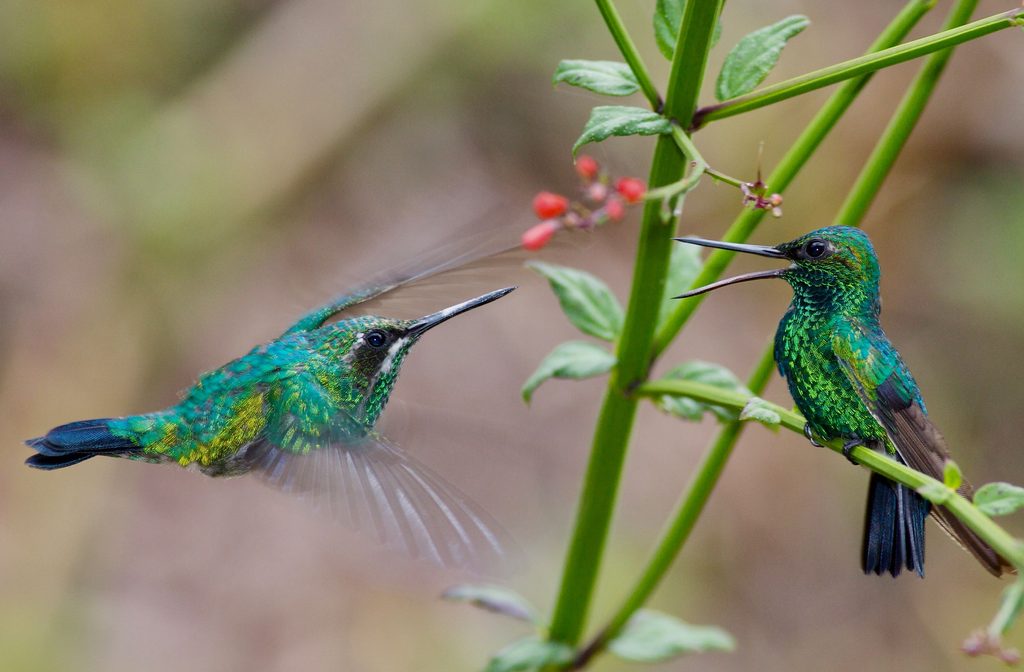
Gardens, forest edges, and flowering shrubs may offer opportunities to observe them.
A camera with a telephoto lens is useful for capturing their movement.
Other Wildlife
Depending on habitat and luck, travelers may also encounter:
- Colorful tanagers and other tropical birds
- Butterflies and native insects
- Small mammals and squirrels
- Lizards and amphibians
- Various forest-dwelling bird species
Respecting wildlife habitats helps preserve these extraordinary ecosystems for future visitors.
🏞️ The Urubamba River: The Lifeline of the Sacred Valley
The Urubamba River is one of the defining natural features of the Machu Picchu landscape.
Flowing through the Sacred Valley and around the mountains near Machu Picchu, the river creates dramatic scenery of rushing water, steep cliffs, and lush forest.
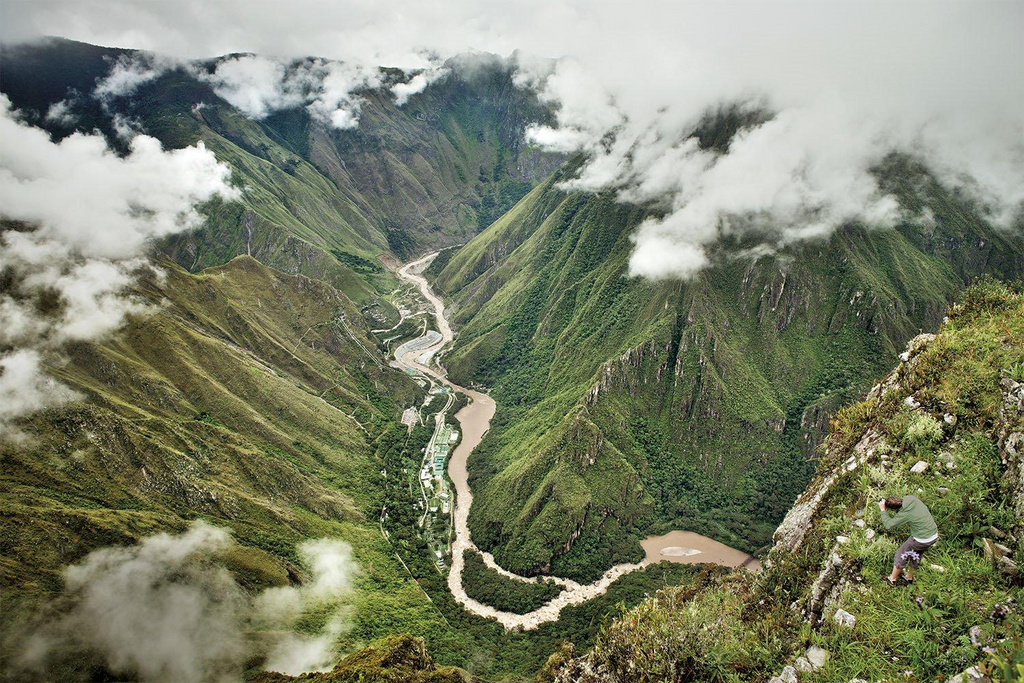
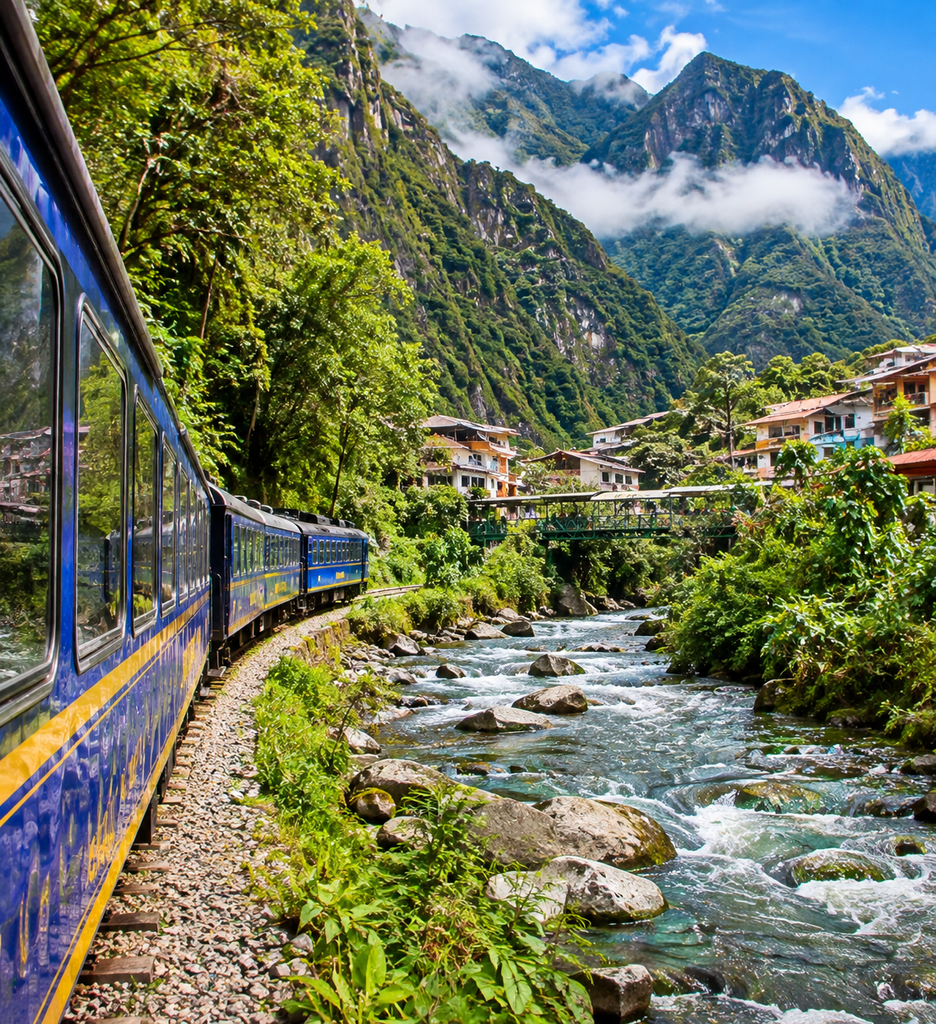
The railway journey from Ollantaytambo toward Aguas Calientes follows sections of this spectacular river valley.
Along the route, travelers can admire mountain slopes, boulder-filled river channels, and vegetation that becomes increasingly lush as the train approaches Machu Picchu.
Scenic River Photography
The Urubamba River offers beautiful opportunities for landscape photography.
Some of the most memorable scenes include:
- Rushing whitewater framed by green mountains
- Clouds drifting through narrow valleys
- Forest-covered slopes above the river
- Scenic railway bridges and mountain landscapes
- Dramatic views during the rainy season
The river can be powerful, especially during periods of heavy rainfall. Stay away from unstable banks and fast-moving water.
🥾 Cloud Forest Hiking Adventures
Exploring the Machu Picchu region on foot is one of the best ways to appreciate its natural beauty.
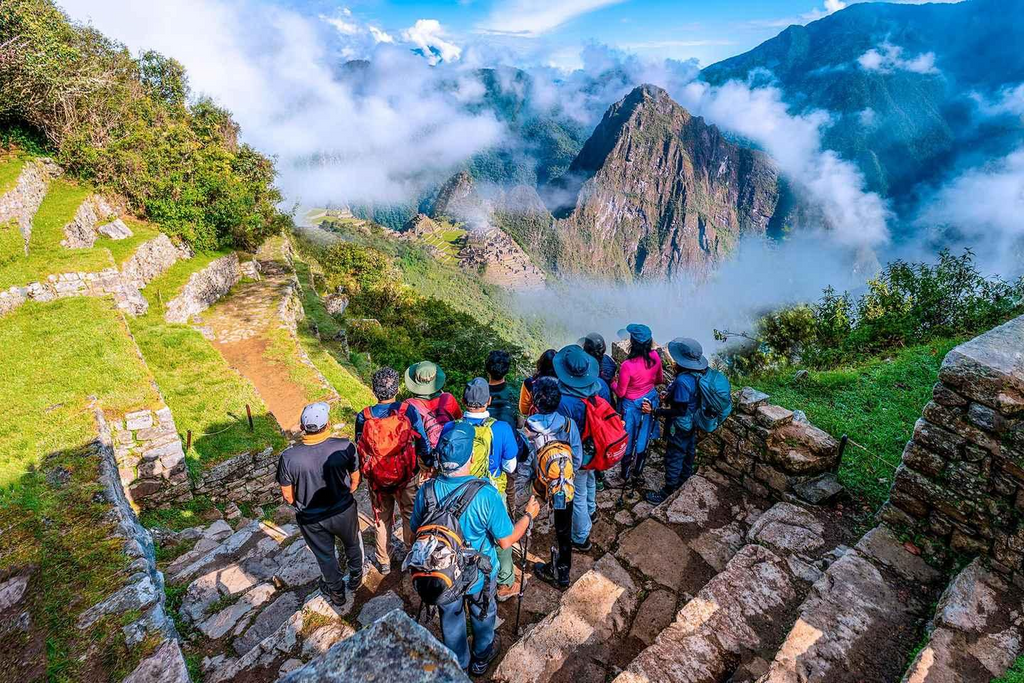
The broader region offers everything from gentle garden walks to demanding multi-day mountain treks.
1. The Classic Inca Trail
The famous Inca Trail combines archaeological sites, mountain passes, stone pathways, and sections of cloud forest.
Along the route, hikers pass through changing ecological zones before reaching Machu Picchu.
The final approach through Intipunku, the Sun Gate, is one of the trail’s celebrated experiences.
The Classic Inca Trail requires advance reservations and authorized guiding arrangements.
2. The Short Inca Trail
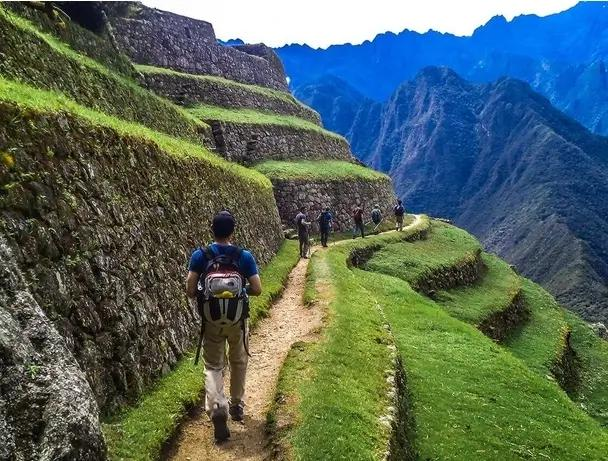
For travelers who want a shorter trekking experience, the Short Inca Trail offers a memorable combination of Inca ruins and cloud forest scenery.
The route commonly includes Wiñay Wayna, an impressive archaeological complex surrounded by green mountain landscapes.
This option also requires permits and authorized arrangements.
3. Mandor Nature Walk
The Mandor excursion is suitable for visitors who prefer a less demanding outing.
It offers forest scenery, waterfalls, plants, and opportunities for birdwatching.
4. Machu Picchu Mountain
Machu Picchu Mountain offers a challenging ascent with sweeping views of the citadel, surrounding peaks, and the Urubamba River valley.
The hike is steep and requires a designated ticket and time slot.
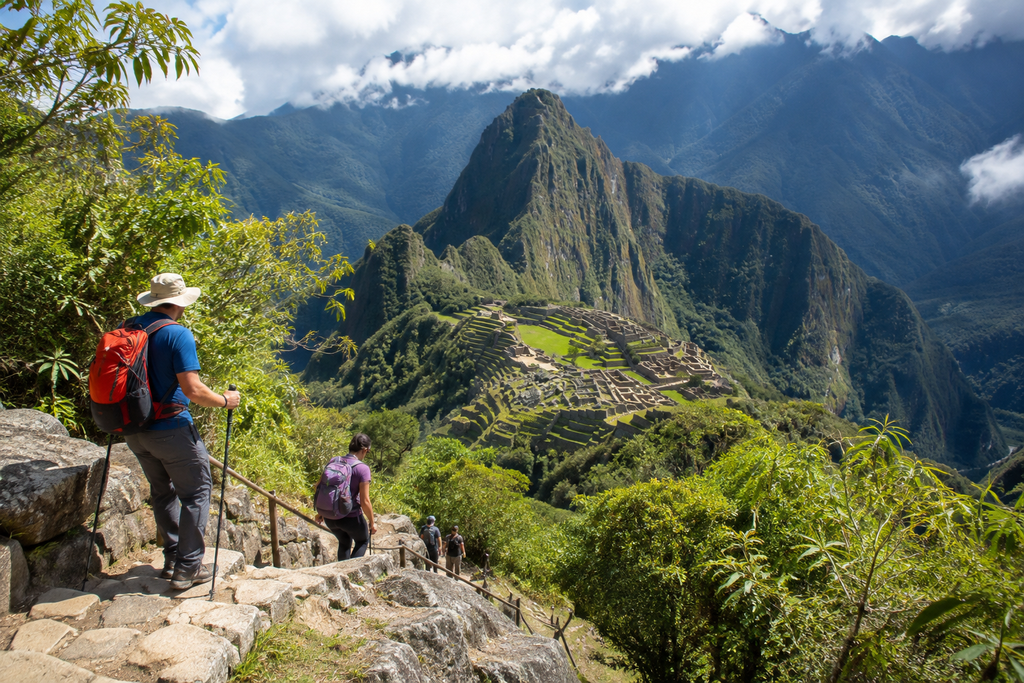
It is best suited to travelers comfortable with strenuous uphill walking at elevation.
5. Huayna Picchu
Huayna Picchu rises dramatically behind the famous Machu Picchu ruins.
The trail features steep stone steps and exposed sections, with extraordinary views of the archaeological sanctuary and surrounding mountains.
Access is limited and requires the appropriate advance ticket.
Important: Machu Picchu’s routes, circuits, permits, and access arrangements can change. Check the official ticketing system before planning any hike within the archaeological sanctuary.
🌧️ Best Time to Visit the Machu Picchu Cloud Forest
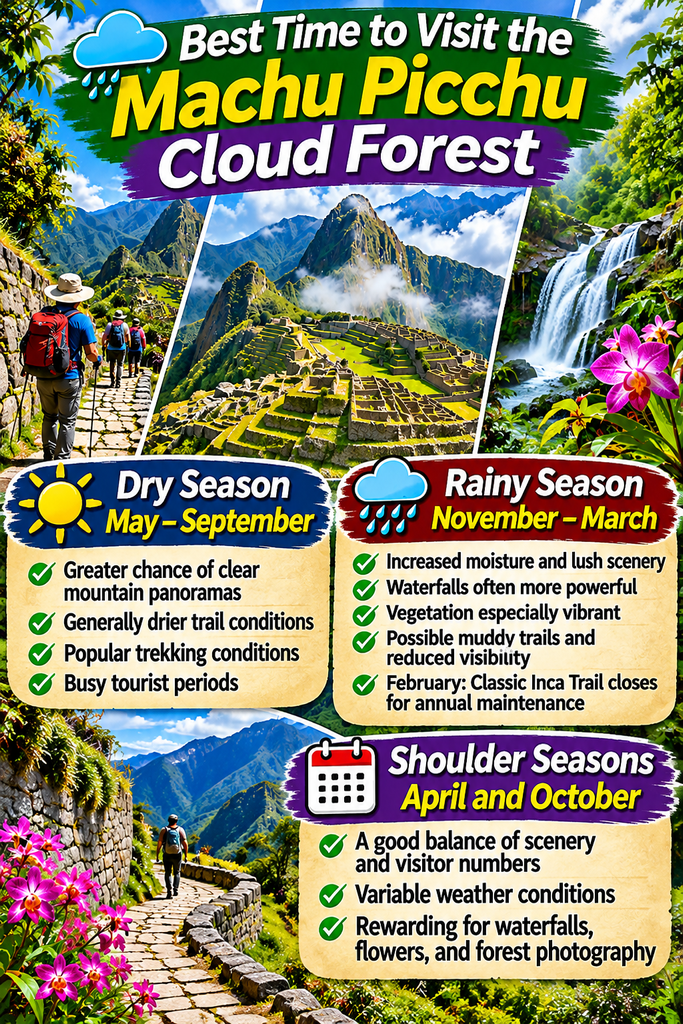
The cloud forest is beautiful throughout the year, but weather conditions can significantly influence hiking and photography.
Dry Season: May Through September
This period generally offers more favorable conditions for hiking and mountain views.
Visitors can expect:
- A greater chance of clear mountain panoramas
- Generally drier trail conditions
- Popular trekking conditions
- Busy tourist periods, especially during peak months
Clouds and rain can still occur at any time.
Rainy Season: November Through March
The rainy season brings increased moisture and lush green scenery.
Waterfalls may become more powerful, and vegetation often appears especially vibrant.
However, heavy rainfall can create muddy trails, reduced visibility, transportation disruptions, and occasional closures.
February is particularly important for trekkers because the Classic Inca Trail traditionally closes for annual maintenance.
Shoulder Seasons: April and October
April and October can provide an appealing balance between scenery and visitor numbers, although weather remains variable.
For travelers particularly interested in waterfalls, flowers, and forest photography, these transitional periods may be rewarding.
📸 Cloud Forest Photography Tips
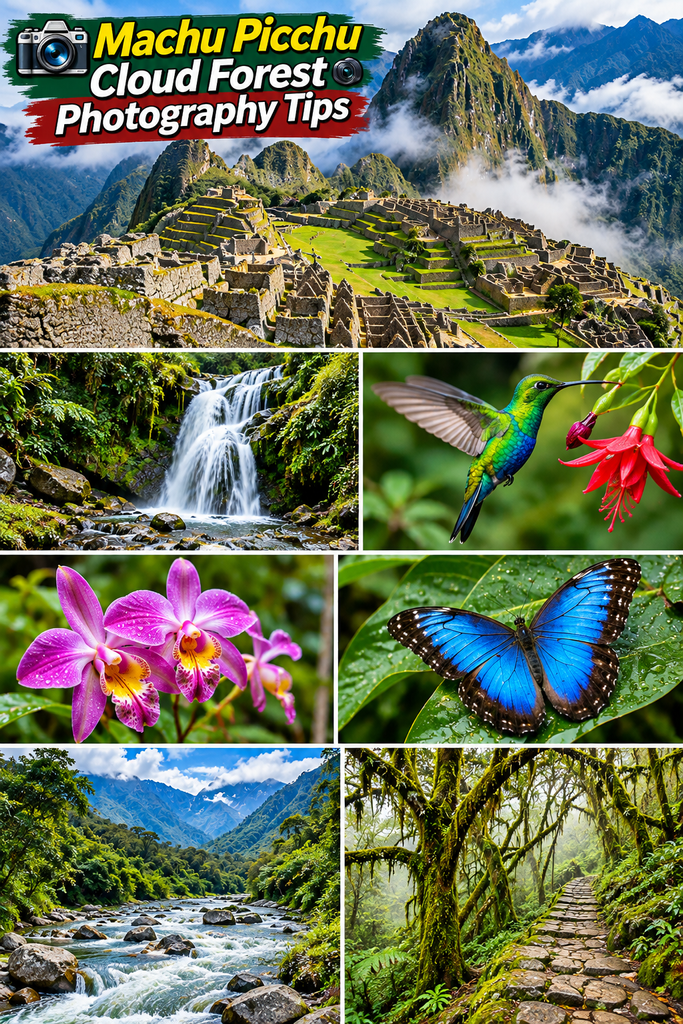
The Machu Picchu region is a remarkable destination for photographers.
Morning mist, cascading waterfalls, colorful birds, and ancient stone ruins create endless possibilities.
Best Subjects to Photograph
Waterfalls: Capture flowing water surrounded by dense forest vegetation.
Wildlife: Use a telephoto lens for birds and other animals without disturbing them.
Orchids: Look for intricate flowers growing along permitted garden and trail routes.
Mountain Landscapes: Photograph clouds moving across the peaks and valleys.
Urubamba River: Capture dramatic river scenery from safe viewpoints.
Forest Details: Moss-covered trees, ferns, and colorful butterflies make excellent close-up subjects.
Recommended Photography Equipment
- Lightweight camera or smartphone
- Telephoto lens for wildlife
- Macro lens or close-focus capability for plants
- Waterproof camera protection
- Spare batteries and memory cards
- Microfiber cloth for moisture and mist
Drones are subject to strict restrictions around Machu Picchu and protected heritage areas. Do not fly without the required permissions.
🚆 How to Reach the Machu Picchu Cloud Forest
Most travelers reach the Machu Picchu region through Cusco and the Sacred Valley.
Step 1: Travel to Cusco
Cusco is the principal gateway to Machu Picchu.
Visitors typically arrive by air or overland transportation before continuing into the Sacred Valley.
Because Cusco is at high elevation, many travelers benefit from allowing time to acclimatize before strenuous activities.
Step 2: Continue to Ollantaytambo
Ollantaytambo is one of the main railway departure points for Aguas Calientes.
The town also offers impressive Inca ruins, traditional streets, and beautiful mountain scenery.
Step 3: Take the Scenic Train
The train journey toward Machu Picchu is an attraction in itself.
Passengers travel alongside the Urubamba River through dramatic mountain valleys and increasingly lush vegetation.
Depending on the operator and service, travelers may choose standard panoramic trains or premium sightseeing experiences.
Step 4: Arrive in Aguas Calientes
Aguas Calientes, officially Machupicchu Pueblo, is the main visitor town below the archaeological sanctuary.
It provides access to hotels, restaurants, train services, nature excursions, and buses to Machu Picchu.
The town is also a convenient base for exploring Mandor and other nearby natural attractions.
🏨 Where to Stay Near Machu Picchu
Choosing the right accommodation can make your cloud forest adventure even more enjoyable.
Aguas Calientes: Convenient Access to Nature
Aguas Calientes offers the widest range of accommodation near the archaeological sanctuary.
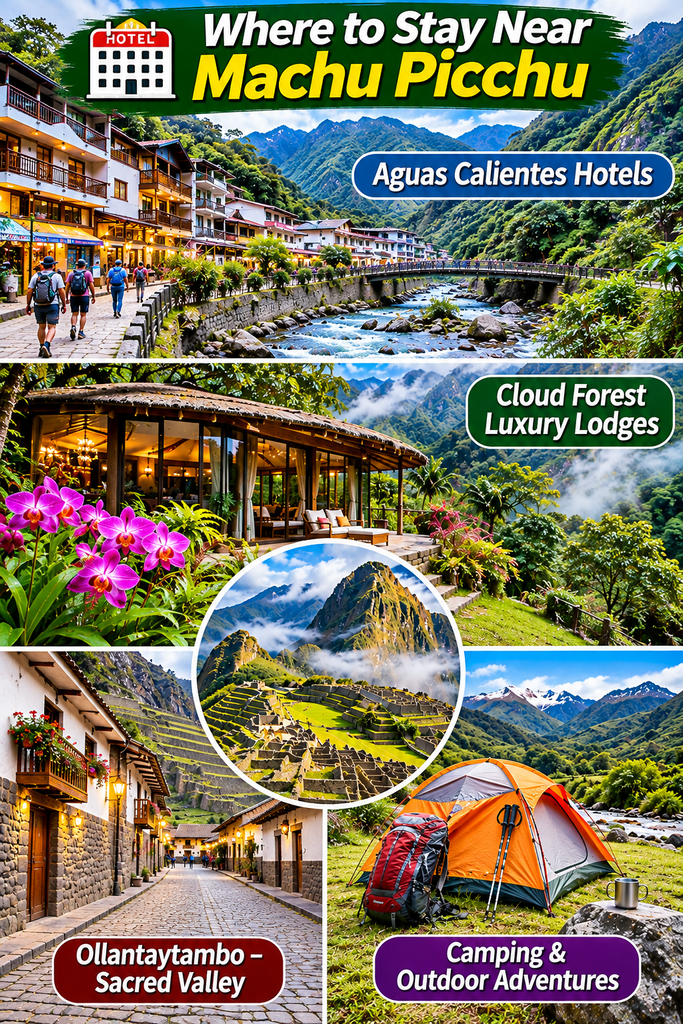
Travelers can find budget guesthouses, comfortable midrange hotels, and upscale properties.
Staying overnight allows more flexibility for early morning tours and nearby nature excursions.
Cloud Forest Luxury Lodges
For travelers seeking a special experience, upscale hotels near Machu Picchu may offer landscaped gardens, mountain views, and a peaceful atmosphere.
Some properties emphasize their natural surroundings, including orchids and birdlife.
These accommodations can be especially appealing to couples, photographers, and nature lovers.
Ollantaytambo: Sacred Valley Charm
Ollantaytambo provides another attractive base for travelers exploring the region.
Its historic streets, archaeological sites, and mountain scenery make it a worthwhile destination before or after Machu Picchu.
Travelers should consider train schedules and transfer arrangements when choosing where to stay.
🏕️ Camping & Outdoor Adventure Options
Camping in the Machu Picchu region requires careful planning.
Camping is not generally permitted freely within the archaeological sanctuary.
Authorized multi-day trekking routes may include designated campsites operated under regulated arrangements.
Travelers interested in outdoor accommodations can explore permitted trekking programs or established lodging elsewhere in the Sacred Valley.
For visitors who prefer comfort, a mountain-view lodge or nature-oriented hotel can provide an enjoyable alternative.
Always confirm current camping permissions and avoid setting up tents in protected or restricted areas.
🎒 What to Pack for a Cloud Forest Adventure
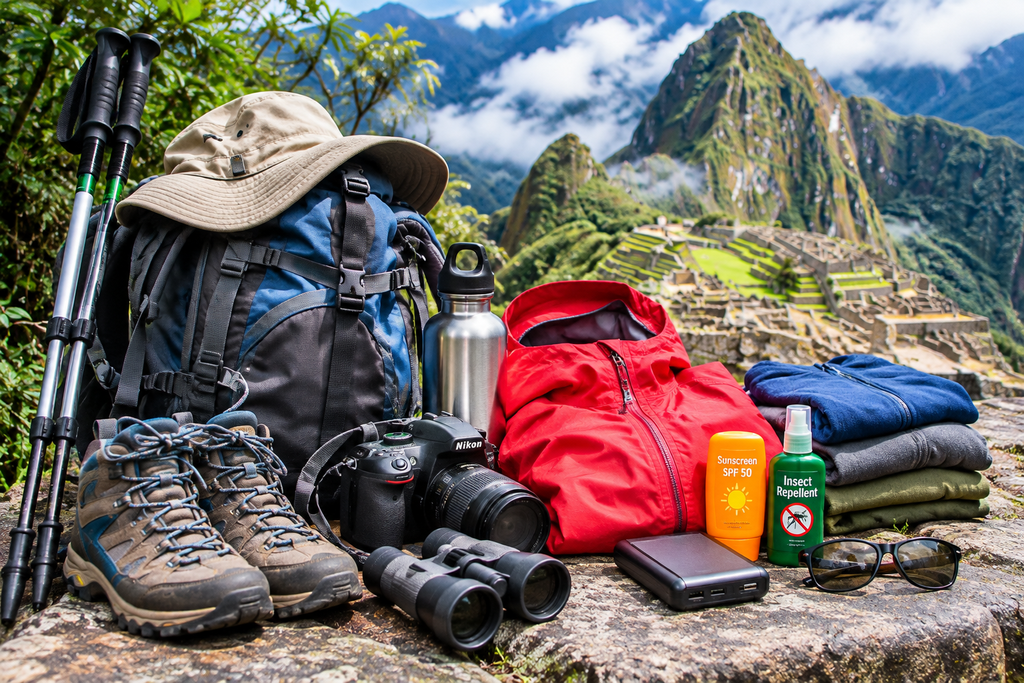
Cloud forest weather can change quickly, so preparing for both sunshine and rain is important.
Recommended essentials:
- Waterproof hiking jacket
- Comfortable hiking shoes with good traction
- Lightweight breathable clothing
- Warm layer for cooler mornings
- Refillable water bottle
- Small daypack
- Sunscreen and sunglasses
- Insect repellent
- Binoculars for wildlife watching
- Camera with weather protection
- Portable power bank
- Hat and lightweight rain cover
For longer treks, follow the equipment recommendations provided by your authorized guide or trekking operator.
🌎 Responsible Tourism & Protecting the Cloud Forest
Machu Picchu’s natural environment is exceptionally valuable and deserves careful protection.
Visitors can help preserve the region by following responsible travel practices.
Stay on designated trails, avoid disturbing wildlife, and never remove plants, orchids, or archaeological materials.
Carry out all trash and use refillable water bottles whenever possible.
Choose licensed guides and responsible tour operators who follow local conservation regulations.
Avoid feeding wild animals or using flash photography when it could disturb wildlife.
The region’s forests, waterfalls, and wildlife are part of what makes Machu Picchu so extraordinary.
Protecting them ensures future generations can enjoy the same natural beauty.
🗺️ Suggested 3-Day Machu Picchu Nature Adventure
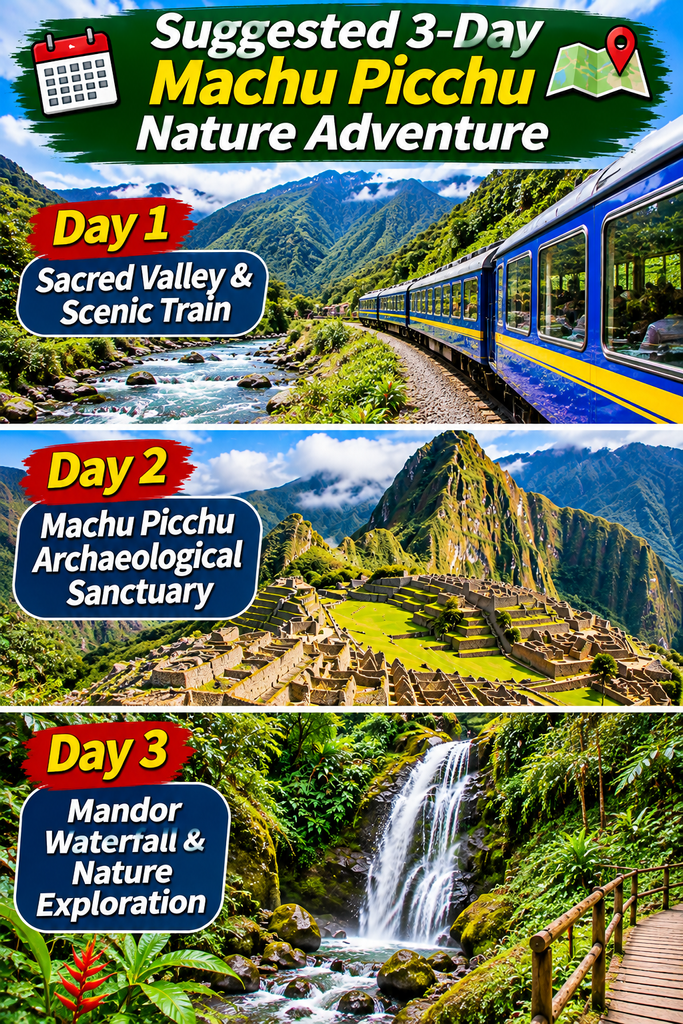
Day 1: Sacred Valley & Scenic Train
Begin in Cusco or the Sacred Valley and travel toward Ollantaytambo.
Explore the historic town before boarding a scenic train to Aguas Calientes.
Enjoy views of the Urubamba River and forest-covered mountains.
Spend the evening relaxing at your hotel.
Day 2: Machu Picchu Archaeological Sanctuary
Visit Machu Picchu with the appropriate advance ticket and, where required, a guide.
Explore the permitted circuit and enjoy the extraordinary mountain scenery surrounding the ruins.
If you have a separate mountain-hiking ticket, follow your reserved schedule.
Return to Aguas Calientes for the evening.
Day 3: Mandor Waterfall & Nature Exploration
Spend the morning exploring the Mandor area, subject to local access conditions.
Enjoy waterfall photography, forest scenery, and opportunities for birdwatching.
Return to Aguas Calientes in time for your scheduled afternoon or evening train.
This itinerary combines archaeology, scenic transportation, and cloud forest nature experiences without requiring a demanding multi-day trek.
❓ Frequently Asked Questions About Machu Picchu Cloud Forest
Is Machu Picchu surrounded by rainforest?
Machu Picchu is surrounded by humid tropical Andean mountain forests, including cloud forest ecosystems. These environments differ from the lowland Amazon rainforest but share many lush tropical characteristics.
Can you see waterfalls near Machu Picchu?
Yes. Mandor Waterfall is a popular nature excursion near Aguas Calientes. Additional streams and waterfalls can be found throughout the wider mountain region.
Are there spectacled bears near Machu Picchu?
Yes. Spectacled bears inhabit suitable environments within the wider protected region, although sightings are uncommon.
Is the cloud forest worth visiting?
Absolutely. For travelers interested in nature, photography, birds, plants, and waterfalls, the cloud forest adds a memorable dimension to a Machu Picchu vacation.
Do I need a guide for Mandor Waterfall?
A guide is not always required for the Mandor excursion, but local guidance is recommended for current access conditions and safe walking routes.
What is the best month for cloud forest photography?
There is no single perfect month. Dry-season months may provide clearer mountain views, while wetter periods can offer lush vegetation, dramatic clouds, and stronger waterfalls.
Can I visit the cloud forest without hiking the Inca Trail?
Yes. Travelers staying in Aguas Calientes can explore nearby nature attractions without completing the Classic Inca Trail.
How many days should I spend near Machu Picchu?
Two days may be sufficient for a basic archaeological visit, but three or more days allow additional time for waterfalls, nature photography, and relaxed exploration.
🏛️ Explore More Machu Picchu & Sacred Valley Adventures
Your cloud forest journey is only one part of the incredible Machu Picchu and Sacred Valley experience.
Continue exploring the region through our related travel guides:
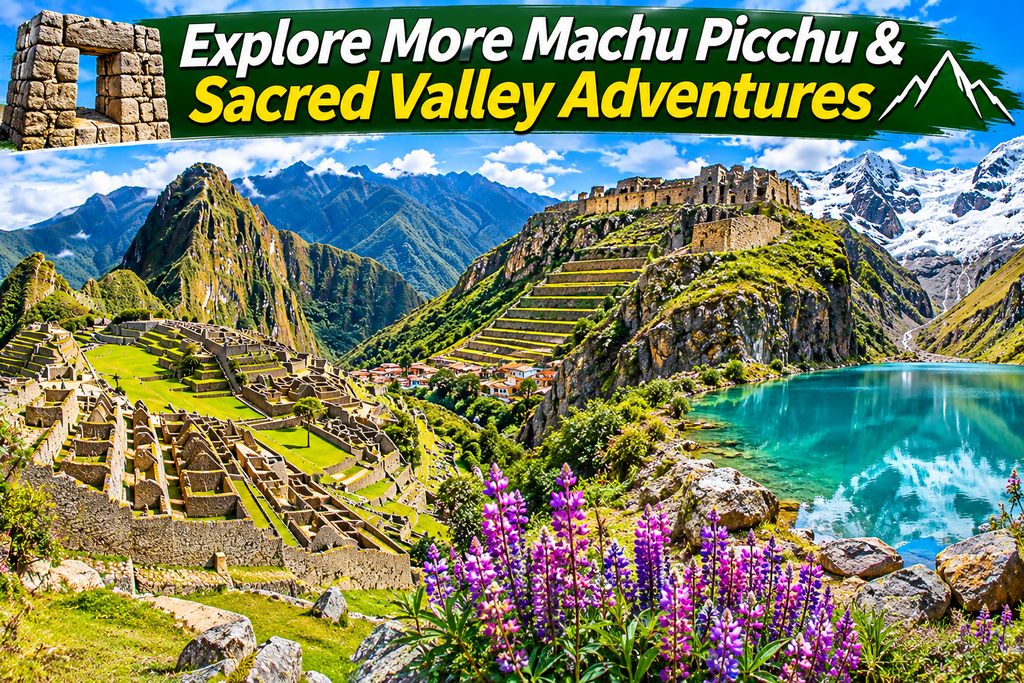
Machu Picchu Citadel Adventure — Discover the famous Inca ruins, breathtaking viewpoints, and remarkable archaeological history.
Ollantaytambo Peru — Explore ancient Inca terraces, traditional Andean streets, and the gateway to Machu Picchu’s scenic railway.
Pisac Peru — Experience spectacular Inca ruins, mountain landscapes, and colorful Sacred Valley markets.
Humantay Lake Adventure — Discover brilliant turquoise mountain waters surrounded by dramatic Andean peaks.
Machu Picchu Mountain Adventures — Explore challenging hiking routes, panoramic viewpoints, and extraordinary high-altitude scenery.
Chinchero Peru: Inca Ruins, Andean Culture & Sacred Valley Adventure — Experience traditional weaving, archaeological sites, mountain landscapes, and Andean village culture.
Machu Picchu Scenic Train & Sacred Valley Journey Guide — Compare scenic train experiences and discover the remarkable journey along the Urubamba River.
Machu Picchu & Sacred Valley Travel Hub — Explore our complete collection of Machu Picchu adventures, accommodation ideas, nature excursions, and cultural destinations.
Add your existing article links to these titles when publishing.
🏨 Plan Your Machu Picchu Cloud Forest Stay
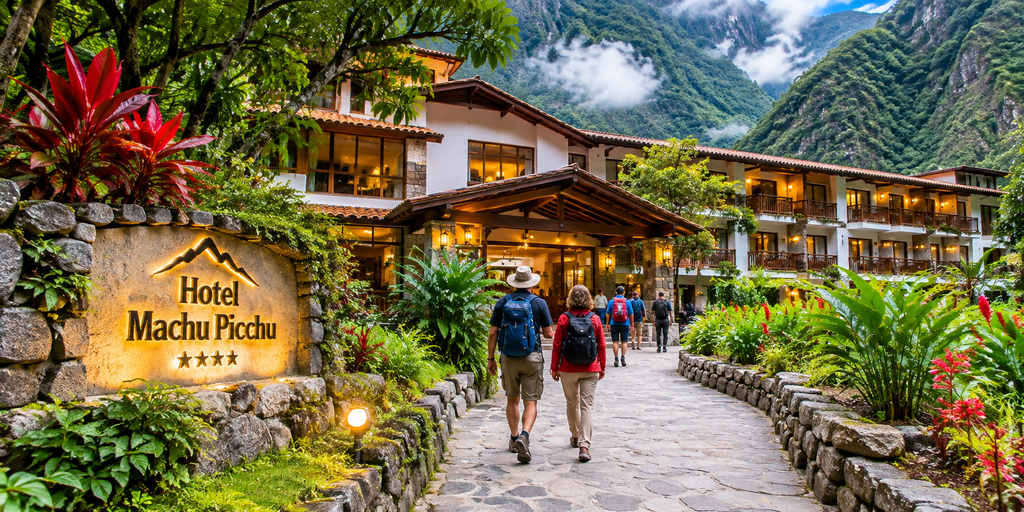
Ready to experience the waterfalls, wildlife, and mountain scenery of Machu Picchu?
Explore accommodation options in Aguas Calientes, Ollantaytambo, Cusco, and the Sacred Valley.
Whether you’re looking for a comfortable hotel near the railway station, a romantic mountain retreat, or a luxury lodge surrounded by tropical vegetation, choosing the right accommodation can help you make the most of your Peru adventure.
Find Your Machu Picchu & Sacred Valley Stay
Browse available hotels and accommodation options through our Expedia travel collection and start planning your next unforgettable Peru vacation.
Booking disclosure: Some accommodation links may be affiliate links. If you make a qualifying booking through these links, we may earn a commission at no additional cost to you. Prices and availability are subject to change.
🌄 Final Thoughts: Discover the Natural Wonders Beyond Machu Picchu
Machu Picchu is famous for its magnificent Inca architecture, but the surrounding natural world is equally captivating.
From the peaceful beauty of Mandor Waterfall to the colorful birds, delicate orchids, misty mountain forests, and rushing waters of the Urubamba River, the region offers extraordinary experiences for nature lovers.
A cloud forest adventure gives travelers the opportunity to discover a different side of Peru, one where archaeological wonders and natural beauty exist together.
Whether you’re photographing waterfalls, watching hummingbirds, hiking historic trails, or simply enjoying the peaceful mountain atmosphere, the landscapes surrounding Machu Picchu can leave lasting memories.
Explore the ancient wonders. Discover the hidden waterfalls. Experience the wildlife. And let the magical cloud forests of Machu Picchu become part of your next great adventure.
Thank you for visiting MyCampingVacationSites! I hope this guide helps you plan an unforgettable outdoor adventure. If you enjoyed this article, feel free to leave a comment below and explore more travel guides, hiking destinations, camping adventures, and outdoor experiences throughout the site. Have a wonderful vacation wherever your next journey takes you!
— Jeffrey
Leave a Reply